
| Index | Jersey City | New Jersey | National |
| Cost of living | 145 | 125 | 100 |
| Groceries | 114 | 108 | 100 |
| Health care | 115 | 112 | 100 |
| Housing | 202 | 157 | 100 |
| Transportation | 127 | 114 | 100 |
| Utilities | 117 | 111 | 100 |
| Lifestyle & Entertainment | 127 | 113 | 100 |
| Household Items | 112 | 107 | 100 |
| Education & Childcare | 137 | 120 | 100 |

Getting a feel for the cost of living in Jersey City is essential for anyone planning to relocate, as it empowers them to make informed financial decisions, secure a comfortable lifestyle and maintain financial stability in their new environment. The cost of living in Jersey City is 145, which is 45% higher than the national average. Relocating individuals may need to adjust their savings and investment strategies based on the cost of living in the new location. It influences decisions about retirement planning, investments and financial goals.
If you prioritize affordability when seeking a new place to live, Jersey City may not be your ideal choice, as it ranks among the most expensive locations in the entire United States. A very small amount of areas exhibit a cost of living at least 20% higher than the national average, and unfortunately, Jersey City falls into this category, which may not align with your preferences for a budget-friendly living environment.
When it comes to the cost of living in Jersey City, housing costs are a real heavyweight, often hogging a significant chunk of your earnings. Sadly, in this area, housing expenses for both buying and renting were 102% more expensive compared to your average city. That means you'll be shelling out more for homes, rents, mortgage rates and insurance.
The routine items you regularly buy for your home, such as cleaning supplies, personal care products, clothing basics, and kitchen essentials, make up 8% of the cost of living index. In Jersey City, these items cost 12.2% more than the national average, making day-to-day living a bit more expensive.
The surge in grocery costs is indeed alarming, especially when groceries make up a large portion of your monthly expenditures. Over the past two years, there has been an inflation of over 10% in grocery prices. Unfortunately, Jersey City does not fare better, with grocery expenses coming in at 14.3% higher than the national average.
Locals have the inside scoop on their city. So, we polled 7 residents in Jersey City to learn how they view the cost of living. We asked how they felt about the cost of living in their area, and if they thought that prices were increasing, decreasing or staying the same. The verdict? 0% find it reasonable with decreasing prices, but 100% think it's quite pricey, with prices that continue to rise.
Is Jersey City an affordable place to live? That's a valid question to ask when you're thinking about moving to a new city. After all, how much it costs to live somewhere can be a huge factor in your decision. Affordability can be broken down into 3 common categories. The cost of living index (we talked about it earlier), housing expenses and income levels all play a big role in figuring out if a place is affordable. For instance, in Jersey City, the median home price is 121.1% higher than what most folks pay across the country, and monthly rent prices are 57.3% higher than the usual rates. Income levels in Jersey City come in at $114,406, which is 40.7% higher than the national average.
Urbanization: Larger, urban centers, known for their wealth of amenities and strong employment prospects, often exhibit an elevated cost of living, primarily attributable to the heightened demand for services and residential relocation. Consequently, this scenario leads to elevated home prices and higher rental rates. In contrast, sparsely populated rural areas or regions characterized by diminished demand typically provide a more limited array of amenities and experience slower job market growth, resulting in a more affordable cost of living.
Taxes: Regions that impose higher taxes, including sales and income taxes, can contribute to an increased cost of living. Higher taxes for everyday necessities such as clothing, utilities and food inevitably leads to higher expenditures. Additionally, a higher income tax rate can also play a role in elevating the overall cost of living. In Jersey City, the prevailing sales tax rate starts at 6.625%, and income tax rates kick off at 1.4%.
Healthcare: Healthcare expenses and insurance premiums can vary significantly depending on the specific city or state. Factors such as accessibility to healthcare facilities, out-of-pocket expenses for doctor's visits, dental care expenses, prescription costs and specialized medical care fees can all influence the overall cost of living. In Jersey City, healthcare costs are 15.1% higher than the national average.
The cost of living estimates displayed for Jersey City are modeled using a U.S. average baseline of 100, helping provide a useful comparison of local living expenses. Housing calculations include U.S. Census home price and rental data, while all other values are AI-assisted estimates based on regional cost patterns, climate, transportation, and everyday spending expectations. These values are intended for directional comparisons across cities.

| Cost of living index | |
| Groceries index | |
| Health care index | |
| Housing index | |
| Transportation index | |
| Utilities index | |
| Lifestyle index | |
| Household index | |
| Educare index |
| Median Income | Per Year | Per Month | Max Budget (28% DTI) | Max Budget (36% DTI) |
| Owners | $168,902 | $14,075 | $3,941 | $5,068 |
| Renters | $93,644 | $7,804 | $2,185 | $2,810 |
| State | General Sales Tax | With Max Surtax |
| New Jersey | 6.625% | 12.625% |
| State | Income Tax (Low) | Income Tax (High) |
| New Jersey | 1.4% | 10.75% |
| City | Population | Cost of Living Index | National Avg. |
| East Orange, NJ | 66,655 | 115 | 15.1% |
| Roselle, NJ | 22,321 | 116 | 15.7% |
| Silver Lake CDP (Warren County), NJ | 326 | 117 | 17.3% |
| Newark, NJ | 290,764 | 120 | 19.8% |
| Paterson, NJ | 149,118 | 122 | 21.5% |
| Jersey City, NJ | 268,546 | 145 | 45.0% |
| City | Population | Cost of Living Index | National Avg. |
| Laredo, TX | 268,554 | 93 | 7.1% |
| Chandler, AZ | 266,863 | 125 | 24.9% |
| Madison, WI | 266,829 | 111 | 10.8% |
| Lubbock, TX | 266,541 | 96 | 4.1% |
| St. Petersburg, FL | 271,787 | 113 | 12.7% |
| Jersey City, NJ | 268,546 | 145 | 45.0% |

 Here are the best places to live in New Jersey
 These are the largest cities in New Jersey
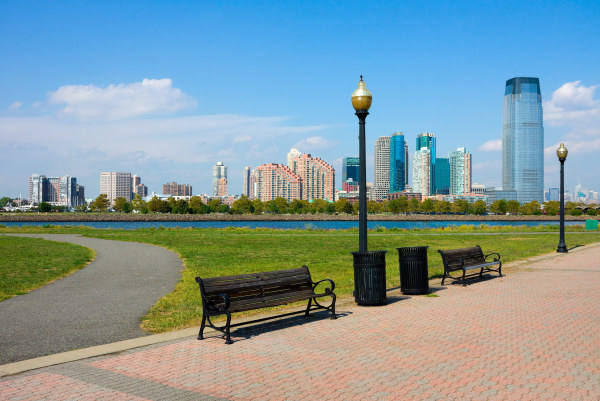 See the best places to live in Jersey City
 Check out the 10 safest cities in New Jersey