
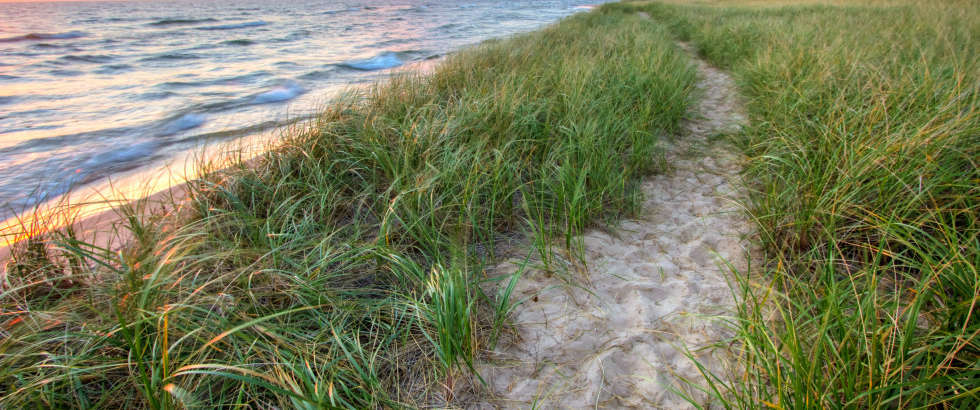
Michigan, with its great lakes, diverse landscapes, and vibrant cities, offers a variety of living experiences. Landmarks such as the Henry Ford Museum, Mackinac Island, and Sleeping Bear Dunes National Lakeshore highlight the state's natural and cultural appeal. The state's economy is diverse and robust, driven by sectors such as automotive, manufacturing, and technology. Michigan's tax structure includes moderate income and property taxes, which contribute to its overall affordability. Despite recent inflation and rising food costs, Michigan remains one of the more affordable states in the Midwest, especially in its smaller towns and rural areas. The combination of a diverse economy and manageable living costs makes Michigan an attractive place for those seeking affordability and quality of life.
Affordable living in Michigan can often be found in smaller towns and suburban areas where housing costs and everyday expenses are lower. These regions provide a more manageable cost of living, which is essential for maintaining financial stability. Affordability is a crucial factor in livability, as it allows residents to enjoy a comfortable standard of living without undue financial strain. Factors contributing to the cheapest places to live in Michigan include lower housing demand in less populated areas, supportive local economic policies, and efficient public services. Using AI-assisted city-level cost of living estimates, supported by U.S. Census housing data and regional economic modeling, helps identify these affordable regions and gives potential residents a practical way to compare affordability from one city to the next. In a state known for its natural beauty and economic opportunities, finding affordable living options enhances the overall living experience.
| Rank | Location | Population | COL Index | Med. Home Value | Med. Household Inc. |
| 1 | Beecher | 9,446 | 77 | $56,114 | $45,156 |
| 2 | Flint | 99,436 | 77 | $58,097 | $44,927 |
| 3 | River Rouge | 7,756 | 79 | $59,280 | $33,669 |
| 4 | Saginaw | 50,125 | 79 | $74,458 | $46,701 |
| 5 | Muskegon Heights | 10,979 | 79 | $75,570 | $47,327 |
| 6 | Buena Vista | 6,653 | 80 | $70,213 | $51,403 |
| 7 | Highland Park | 11,056 | 80 | $92,164 | $30,940 |
| 8 | Benton Harbor | 10,059 | 80 | $103,716 | $32,994 |
| 9 | Albion | 8,601 | 81 | $106,092 | $52,937 |
| 10 | Ironwood | 5,076 | 81 | $97,036 | $41,300 |
| 11 | Bridgeport | 6,409 | 81 | $128,846 | $51,043 |
| 12 | Dowagiac | 5,871 | 81 | $132,823 | $60,113 |
| 13 | Ecorse | 9,684 | 82 | $78,203 | $50,502 |
| 14 | Bay City | 33,892 | 82 | $121,804 | $57,269 |
| 15 | Springfield | 5,383 | 82 | $142,566 | $54,429 |
| 16 | Detroit | 692,044 | 82 | $94,001 | $48,936 |
| 17 | Inkster | 25,333 | 82 | $92,684 | $48,236 |
| 18 | Adrian | 20,983 | 83 | $146,038 | $52,470 |
| 19 | Jackson | 33,318 | 83 | $129,185 | $54,913 |
| 20 | Alpena | 10,261 | 83 | $149,268 | $57,953 |
| 21 | Menominee | 8,260 | 83 | $147,152 | $60,536 |
| 22 | Escanaba | 12,509 | 84 | $158,710 | $49,539 |
| 23 | Muskegon | 38,255 | 84 | $141,717 | $53,631 |
| 24 | Hamtramck | 22,199 | 84 | $129,651 | $44,242 |
| 25 | Niles | 11,521 | 84 | $158,481 | $56,794 |
| 26 | Pontiac | 61,764 | 84 | $133,714 | $52,427 |
| 27 | Ishpeming | 6,630 | 84 | $163,412 | $69,199 |
| 28 | Cadillac | 10,841 | 84 | $149,953 | $61,043 |
| 29 | Alma | 9,187 | 84 | $152,650 | $53,708 |
| 30 | Sturgis | 11,158 | 84 | $160,800 | $64,238 |
| 31 | Coldwater | 12,463 | 84 | $165,627 | $60,634 |
| 32 | St. Louis | 7,316 | 85 | $145,910 | $61,662 |
| 33 | Eastwood | 5,884 | 85 | $152,788 | $76,423 |
| 34 | Battle Creek | 52,232 | 85 | $166,812 | $62,508 |
| 35 | Burton | 29,181 | 85 | $174,568 | $70,554 |
| 36 | Hillsdale | 8,376 | 85 | $172,143 | $60,834 |
| 37 | Owosso | 14,847 | 85 | $161,515 | $61,468 |
| 38 | Three Rivers | 7,859 | 85 | $156,366 | $62,721 |
| 39 | Kingsford | 5,156 | 86 | $172,717 | $71,066 |
| 40 | Iron Mountain | 7,517 | 86 | $174,097 | $70,744 |
| 41 | Melvindale | 10,685 | 86 | $132,301 | $55,511 |
| 42 | Lincoln Park | 37,282 | 86 | $143,567 | $70,484 |
| 43 | Center Line | 8,398 | 86 | $180,069 | $67,282 |
| 44 | Big Rapids | 10,768 | 86 | $182,707 | $42,943 |
| 45 | Sault Ste. Marie | 13,819 | 87 | $179,422 | $66,436 |
| 46 | Port Huron | 29,803 | 87 | $173,777 | $60,585 |
| 47 | Hazel Park | 16,845 | 87 | $154,808 | $64,198 |
| 48 | Lansing | 122,139 | 87 | $153,528 | $65,826 |
| 49 | Wayne | 17,566 | 87 | $182,784 | $71,400 |
| 50 | Fair Plain | 7,362 | 87 | $196,532 | $68,240 |
To formulate the list of the cheapest places to live in Michigan, a city-level cost of living model was used with a national average baseline of 100. This framework is designed to provide a practical comparison of how far your dollar may go across different urban areas. Housing estimates incorporate the latest available U.S. Census home price and rental data, while all other values are generated using AI-assisted economic models based on expected everyday expenses, regional pricing trends, climate, transportation patterns, and local economic conditions. The overall index is weighted across key spending categories, including housing (30%), groceries (16%), transportation (12%), healthcare (10%), utilities (8%), lifestyle and entertainment (8%), household expenses (8%), and education and childcare (8%).
The map above is a great way to help you discover the most affordable states across the U.S. By highlighting states with the lowest cost of living, this map provides an in-depth look at where you can get the most value for your money. By visually representing this data, the map allows users to easily compare different regions and make informed decisions about potential relocations or investments. Additionally, it provides valuable insights into the economic conditions and lifestyle factors that influence these cost of living statistics. Whether you're planning a move, considering a new job, or simply curious about the economic landscape, this map is a useful resource for understanding and navigating the financial implications of living in different states.