
| Index | Salisbury | Maryland | National |
| Cost of living | 105 | 121 | 100 |
| Groceries | 107 | 105 | 100 |
| Health care | 109 | 109 | 100 |
| Housing | 98 | 151 | 100 |
| Transportation | 110 | 109 | 100 |
| Utilities | 106 | 108 | 100 |
| Lifestyle & Entertainment | 111 | 109 | 100 |
| Household Items | 104 | 105 | 100 |
| Education & Childcare | 108 | 112 | 100 |

Knowing the cost of living in Salisbury allows individuals to create a realistic budget. This helps them understand how their income will cover expenses and whether they need to make financial adjustments. The cost of living in any region can fluctuate due to various factors. To assess the cost of living consistently across different areas, a national average of 100 serves as the basis for the cost of living index. The cost of living in Salisbury stands at 105, marking it 5% higher than the national average.
The cost of living in Salisbury is about average when compared to all other cities across the nation. You can expect that everyday items like food, household expenses and utility bills will be no more expensive than any other average city. Residents can anticipate living expenses that remain in line with the national average, ensuring a manageable financial burden, making it an attractive choice for those seeking affordability without the constraints of higher everyday expenditures.
The most insightful perspective on a city comes from its residents. We recently surveyed 11 locals to gauge their perception of the cost of living in Salisbury. The feedback revealed that 18% of respondents found the cost of living to be reasonable, with prices on the decline, while 82% regarded it as notably expensive with prices that continue to rise.
Wondering if Salisbury is affordable? It's a question that often comes up when you're thinking about a new city since affordability can really shape your decisions. The cost of living index (covered earlier), housing expenses and income levels all play a part in the affordability equation. In Salisbury, for example, the median home price is 7.4% lower than what folks pay nationally, and monthly rent is 10.5% higher than the usual rates. Plus, income levels matter too, with Salisbury boasting a median household income of $67,304, which is 17.2% lower than the national average.
Transportation: In cities with limited or no public transportation, residents may find it necessary to own and maintain vehicles, thereby elevating the cost of living. Monthly expenditures include fuel, insurance, routine maintenance and potential lease or financing commitments. In Salisbury, the transportation index stands at 10.1% higher than the national average.
Utilities: Similar to the prices of any other goods or services, utility expenditures can exhibit substantial variability, influenced by factors such as climate, energy sources accessibility, geographical location and state regulations. Costs related to electricity, water, heating, and waste disposal can fluctuate, whether higher or lower, contingent on the city or state. In Salisbury, the utilities index is 5.7% higher than the national average.
Taxes: Regions that impose higher taxes, including sales and income taxes, can contribute to an increased cost of living. Higher taxes for everyday necessities such as clothing, utilities and food inevitably leads to higher expenditures. Additionally, a higher income tax rate can also play a role in elevating the overall cost of living. In Salisbury, the prevailing sales tax rate starts at 6%, and income tax rates kick off at 2%.
The Salisbury cost of living estimates above use a normalized U.S. average of 100 as the baseline for comparison. Housing values incorporate local home price and rental information from the U.S. Census, while all other estimates are AI-assisted and modeled using expected everyday expenses, local market trends, climate, and transportation-related cost pressures. The results are intended for practical city-to-city comparisons.

| Cost of living index | |
| Groceries index | |
| Health care index | |
| Housing index | |
| Transportation index | |
| Utilities index | |
| Lifestyle index | |
| Household index | |
| Educare index |
| Median Income | Per Year | Per Month | Max Budget (28% DTI) | Max Budget (36% DTI) |
| Owners | $104,708 | $8,726 | $2,443 | $3,142 |
| Renters | $55,562 | $4,630 | $1,296 | $1,667 |
| State | General Sales Tax | With Max Surtax |
| Maryland | 6% | 6% |
| State | Income Tax (Low) | Income Tax (High) |
| Maryland | 2% | 5.75% |
| City | Population | Cost of Living Index | National Avg. |
| Whitehaven, MD | 173 | 108 | 7.7% |
| Mount Vernon, MD | 1,052 | 94 | 5.8% |
| Powellville, MD | 111 | 95 | 4.9% |
| Eden, MD | 866 | 95 | 4.5% |
| Eldorado, MD | 78 | 98 | 1.9% |
| Salisbury, MD | 33,988 | 105 | 4.8% |
| City | Population | Cost of Living Index | National Avg. |
| Nacogdoches, TX | 33,996 | 94 | 6.2% |
| Northbrook, IL | 33,971 | 152 | 51.6% |
| Springfield, VA | 33,971 | 145 | 44.9% |
| Florence, KY | 33,960 | 94 | 5.9% |
| Pikesville, MD | 33,960 | 128 | 28.0% |
| Salisbury, MD | 33,988 | 105 | 4.8% |

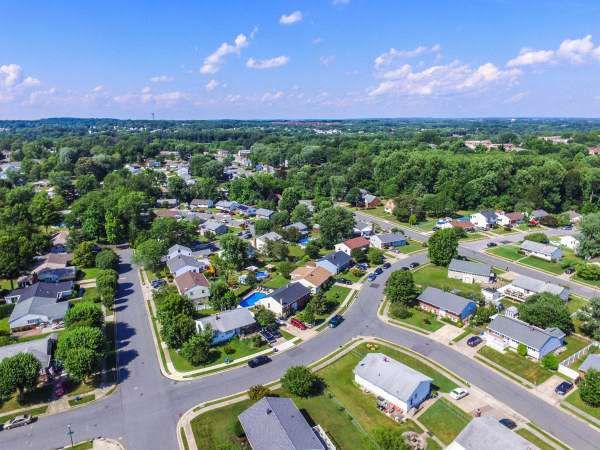 Here are the best places to live in Maryland
 These are the 10 cheapest cities in Maryland
 Most Dangerous States In The US
 Check out the 10 safest cities in Maryland