
| Index | Redwood City | California | National |
| Cost of living | 269 | 141 | 100 |
| Groceries | 115 | 111 | 100 |
| Health care | 120 | 116 | 100 |
| Housing | 617 | 197 | 100 |
| Transportation | 119 | 118 | 100 |
| Utilities | 120 | 119 | 100 |
| Lifestyle & Entertainment | 121 | 120 | 100 |
| Household Items | 109 | 111 | 100 |
| Education & Childcare | 138 | 127 | 100 |

Are you thinking about relocating, but curious about the potential cost of living in Redwood City? Is it more expensive or more affordable than average? Based on the most recent report, the cost of living in Redwood City stands at 269, making it 169% higher than the national average. The cost of living directly affects the affordability of one's desired lifestyle. Knowing the cost of housing, transportation, groceries and other essentials in the new area allows people to gauge whether they can maintain their preferred standard of living.
If affordability is among your top priorities when searching for a new place to live, this area may not be the ideal fit, as the cost of living in Redwood City is among the most expensive in the United States. Just a minority of areas exhibit a cost of living at least 20% higher than the national average, and unfortunately, Redwood City falls into this category, which may not align with your goal of finding a budget-friendly living environment.
Housing costs are a major factor in the Redwood City cost of living index, and they often eat up a big chunk of your take-home pay. Unfortunately, in this area, housing expenses for both homeownership and rentals were 516.9% higher than what's typical in an average city. That includes the prices of homes and rents, as well as mortgage rates and insurance.
Groceries are getting more expensive by the day and the cost of groceries makes up 13% of the overall cost of living index. In the past two years, prices have shot up by over 10%! Unfortunately, in Redwood City, it's the same story – grocery costs are 15.1% higher than what people pay across the country.
Wondering if Redwood City is affordable? It's a question that often comes up when you're thinking about a new city since affordability can really shape your decisions. The cost of living index (covered earlier), housing expenses and income levels all play a part in the affordability equation. In Redwood City, for example, the median home price is 674.2% higher than what folks pay nationally, and monthly rent is 149.9% higher than the usual rates. Plus, income levels matter too, with Redwood City boasting a median household income of $185,133, which is 127.6% higher than the national average.
Housing: When there's a high demand for housing in trendy places, it can cause property prices and rental rates to soar, leading to a significantly higher cost of living. Conversely, in less desirable locations, where demand is low, prices tend to decrease, resulting in a more budget-friendly cost of living. In Redwood City, the housing index is 516.9% higher than the national average.
Taxes: Areas with higher taxes, including sales taxes and income taxes, can contribute to a higher cost of living. Paying more tax for everyday household expenses like clothing and food will result in higher costs, as will paying a higher rate of income tax. The general sales tax rate in Redwood City starts at 7.25% and the income tax rates start at 1%.
Groceries: The costs associated with groceries have witnessed substantial increases over the past 2-3 years. In select markets, food prices have escalated by more than 20% during this timeframe, whereas others have seen more restrained upticks. The variances in food expenses can exert a considerable influence on the overall cost of living in a given locale. In Redwood City, the groceries index is 15.1% higher than the national average.
The Redwood City cost of living data displayed above uses a U.S. average baseline of 100 to provide a practical way to compare living expenses across cities. Housing estimates incorporate U.S. Census home price and rental data, while all other values are generated using AI-assisted models based on everyday expense expectations, regional pricing trends, climate, transportation patterns, and local economic conditions. These values are designed for directional city-to-city comparisons.

| Cost of living index | |
| Groceries index | |
| Health care index | |
| Housing index | |
| Transportation index | |
| Utilities index | |
| Lifestyle index | |
| Household index | |
| Educare index |
| Median Income | Per Year | Per Month | Max Budget (28% DTI) | Max Budget (36% DTI) |
| Owners | $237,678 | $19,807 | $5,545 | $7,131 |
| Renters | $144,189 | $12,016 | $3,364 | $4,326 |
| State | General Sales Tax | With Max Surtax |
| California | 7.25% | 10.5% |
| State | Income Tax (Low) | Income Tax (High) |
| California | 1% | 13.3% |
| City | Population | Cost of Living Index | National Avg. |
| Mountain View CDP, CA | 2,675 | 134 | 33.5% |
| Cherryland, CA | 16,430 | 160 | 60.4% |
| Ashland, CA | 24,254 | 162 | 62.0% |
| Hayward, CA | 163,491 | 173 | 72.6% |
| San Lorenzo, CA | 31,094 | 169 | 69.4% |
| Redwood City, CA | 87,093 | 269 | 168.7% |
| City | Population | Cost of Living Index | National Avg. |
| Johns Creek, GA | 87,090 | 133 | 32.6% |
| Troy, MI | 87,197 | 116 | 16.3% |
| Bloomington, MN | 87,234 | 112 | 12.0% |
| Alhambra, CA | 86,913 | 169 | 69.0% |
| Hemet, CA | 87,279 | 118 | 17.7% |
| Redwood City, CA | 87,093 | 269 | 168.7% |

 Here are the best places to live in California
 Most Dangerous States In The US
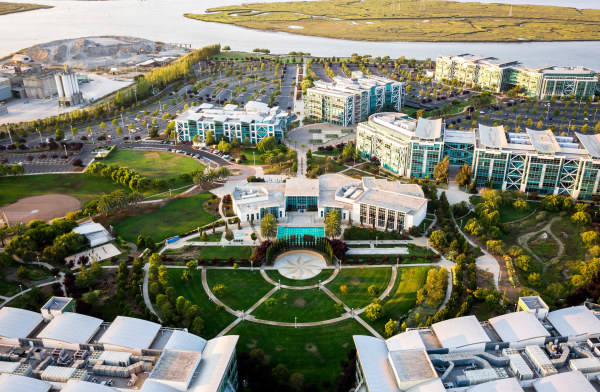 See the best places to live in Redwood City
 Safest States In The US