
| Index | Pembroke Pines | Florida | National |
| Cost of living | 123 | 102 | 100 |
| Groceries | 105 | 102 | 100 |
| Health care | 106 | 104 | 100 |
| Housing | 165 | 97 | 100 |
| Transportation | 104 | 103 | 100 |
| Utilities | 109 | 110 | 100 |
| Lifestyle & Entertainment | 103 | 104 | 100 |
| Household Items | 100 | 102 | 100 |
| Education & Childcare | 108 | 106 | 100 |

Getting a feel for the cost of living in Pembroke Pines is essential for anyone planning to relocate, as it empowers them to make informed financial decisions, secure a comfortable lifestyle and maintain financial stability in their new environment. The cost of living in Pembroke Pines is 123, which is 23% higher than the national average. Relocating individuals may need to adjust their savings and investment strategies based on the cost of living in the new location. It influences decisions about retirement planning, investments and financial goals.
If you're in pursuit of an economical living environment, Pembroke Pines may not fit the bill, as it ranks among the most expensive places to reside in the United States. Just a minority of regions exhibit a cost of living that is more than 20% higher than the national average, and, unfortunately, Pembroke Pines falls within this bracket.
Housing costs significantly influence the Pembroke Pines cost of living index, typically accounting for a substantial portion of one's post-tax income. Regrettably, within this particular region, expenses related to both residential ownership and renting exceeded those observed in an average city by 65.4%. This entails elements such as housing and rental prices, mortgage interest rates and insurance costs.
Is Pembroke Pines an affordable place to live? It's a good question and one that you might want to ask when considering any new city, as affordability can play a huge role in the decision making process. The cost of living index (which we covered above), as well as housing costs and income levels play a vital role in determining the affordability of an area. The median home price in Pembroke Pines is 66.6% higher than the national average, while the average monthly rent prices are 62.7% higher than average. The affordability of any location can also be influenced by median income levels. Pembroke Pines has a median household income of $102,488, which is 26% higher than the national average.
Transportation: In areas where public transportation is scarce or unavailable, residents often find themselves compelled to own and upkeep vehicles, thereby increasing the overall cost of living. Monthly expenses encompass fuel, insurance, routine maintenance and potentially lease or financing payments. In Pembroke Pines, the transportation index is 3.8% higher than the national average.
Housing: Elevated demand for housing within coveted locales has the propensity to escalate both property values and rental rates, thereby serving as a primary catalyst for an augmented cost of living. Conversely, areas witnessing diminished housing demand, particularly within less desirable environs, often experience an inversely proportional effect, leading to price reductions and subsequently contributing to a more modest cost of living. In Pembroke Pines, the housing index is 65.4% higher than the national average.
Groceries: The costs associated with groceries have witnessed substantial increases over the past 2-3 years. In select markets, food prices have escalated by more than 20% during this timeframe, whereas others have seen more restrained upticks. The variances in food expenses can exert a considerable influence on the overall cost of living in a given locale. In Pembroke Pines, the groceries index is 5% higher than the national average.
The Pembroke Pines cost of living estimates above use a normalized U.S. average of 100 as the baseline for comparison. Housing values incorporate local home price and rental information from the U.S. Census, while all other estimates are AI-assisted and modeled using expected everyday expenses, local market trends, climate, and transportation-related cost pressures. The results are intended for practical city-to-city comparisons.

| Cost of living index | |
| Groceries index | |
| Health care index | |
| Housing index | |
| Transportation index | |
| Utilities index | |
| Lifestyle index | |
| Household index | |
| Educare index |
| Median Income | Per Year | Per Month | Max Budget (28% DTI) | Max Budget (36% DTI) |
| Owners | $120,655 | $10,055 | $2,815 | $3,620 |
| Renters | $82,229 | $6,852 | $1,919 | $2,467 |
| State | General Sales Tax | With Max Surtax |
| Florida | 6% | 7.5% |
| State | Income Tax (Low) | Income Tax (High) |
| Florida | 0% | 0% |
| City | Population | Cost of Living Index | National Avg. |
| Medley, FL | 1,076 | 89 | 10.7% |
| Pembroke Park, FL | 6,970 | 89 | 11.0% |
| Lauderdale Lakes, FL | 37,351 | 98 | 1.6% |
| Franklin Park, FL | 1,602 | 99 | 1.2% |
| Gladeview, FL | 13,938 | 99 | 1.4% |
| Pembroke Pines, FL | 178,777 | 123 | 23.1% |
| City | Population | Cost of Living Index | National Avg. |
| Elk Grove, CA | 178,848 | 148 | 48.3% |
| Peoria, AZ | 177,686 | 118 | 18.4% |
| Salem, OR | 177,138 | 115 | 14.6% |
| Garden Grove, CA | 176,551 | 165 | 65.4% |
| Eugene, OR | 176,249 | 119 | 19.3% |
| Pembroke Pines, FL | 178,777 | 123 | 23.1% |

 Here are the best places to live in Florida
 Safest States In The US
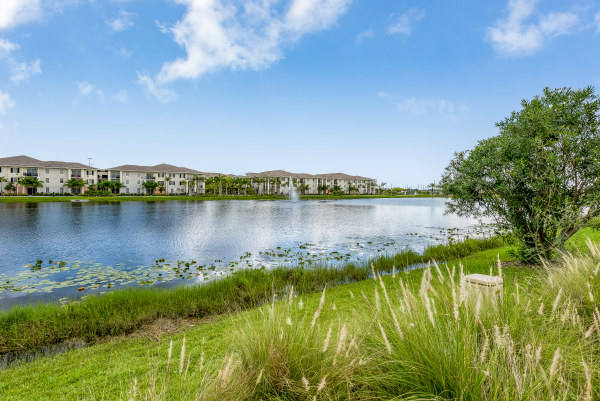 See the best places to live in Pembroke Pines
 Check out the 10 most dangerous cities in Florida