

Located in the state of Pennsylvania, Greencastle is a small city with a population of 4,088 residents. If we look at the most recent Census, Greencastle is known to have a predominantly White population. The next two most common races are Black and Asian. If finding a family friendly city is important to you, look no further. With more than 70% of the population considered married and 35% with kids under the age of 18, Greencastle could be considered a very suitable city for families. Not a fan of sitting in traffic during your commute to work? Greencastle offers shorter work commutes, with an average one-way commute time taking only 21 minutes, far lower than the national average of 26 minutes.
Whether you’re relocating to a new area to be closer to family, friends or for a new job, living in Greencastle could be a positive experience compared to other cities in Pennsylvania if you know where to search. Don't forget to determine what matters most to you in a neighborhood. Consider factors such as safety, proximity to work or school, access to amenities (like parks, fitness facilities, grocery stores, restaurants), public transportation options, community atmosphere and the overall vibe you're looking for. Using the livability score which includes data from categories like cost of living, commute, health & safety, employment, you can easily compare the best places to live in Greencastle and also determine if there are any nearby cities that might be a better match for your lifestyle. You can also compare Greencastle to Pennsylvania and the national average.
Greencastle, PA receives 77 out of 100 for its livability score; this results in a ranking of #246 in Pennsylvania and #2,434 in the USA. Based on this score, Greencastle would be considered a very livable city! Greencastle also ranks in the top 10 percent of all cities, which is no small feat! If we dig down a little deeper into each category within the livability score, we see that Greencastle has higher than average rankings for the following: crime (A), cost of living (B+), education (B+), employment (B+) and housing (A). There is at least one category that did not score well in Greencastle. The following was graded with a concerning score: amenities (F).
When contemplating a move, job prospects often top the list of priorities. In Greencastle, the outlook for new employment is notably brighter than in many other areas. The low unemployment rate of 1% points to a surge in job opportunities, the potential for higher wages, enhanced workforce productivity and increased economic growth. These favorable conditions bode well for individuals seeking career advancement and financial stability, making this area an appealing destination for those prioritizing professional opportunities and economic prosperity.
Standardized school test scores offer a valuable benchmark for assessing the quality of educational programs, instructional methods, and curriculum effectiveness. Recognizing that Greencastle schools excel in test scores is a crucial consideration when determining the suitability of this area for residence. The local schools boast an impressive average test score of 69%, significantly higher than the national average. This stellar academic performance not only attests to the excellence of the educational system but also underscores the area's commitment to providing a high-quality education, making Greencastle an appealing choice for those prioritizing their children's educational prospects.
Real estate represents the most substantial investment for homebuyers, constituting their most valuable asset. Renters, on the other hand, typically see their monthly rent as their most significant expense. The Greencastle market earns a high score in the housing category, surpassing the national average in factors like home and rental affordability and appreciation rates. This robust real estate market not only benefits individual homeowners and renters but also spurs vigorous local economic activity and job growth, solidifying its significance in driving the region's prosperity and financial well-being.
There are many factors that go into deciding if an area is the right fit for your lifestyle. Certain “must haves” like low crime, great schools and nearby amenities are all at the top of most people's lists. But before even considering if those options are attainable, we'll need to know if the real estate in Greencastle is actually affordable. Median real estate prices in Greencastle come in at $316,790, which is 6.9% higher than the Pennsylvania average. The home price to income ratio compares the median home prices to the median household income. In Greencastle, the home price to income ratio is 3.3, which is 10.8% lower than the Pennsylvania average.

| Statistic | Greencastle | Pennsylvania | National |
| Average one way commute | 21min | 26min | 26min |
| Workers who drive to work | 81.3% | 76.5% | 76.4% |
| Workers who carpool | 3.2% | 8.5% | 9.3% |
| Workers who take public transit | 0.0% | 5.6% | 5.1% |
| Workers who bicycle | 0.0% | 0.5% | 0.6% |
| Workers who walk | 5.6% | 3.8% | 2.8% |
| Working from home | 8.9% | 4.2% | 4.6% |

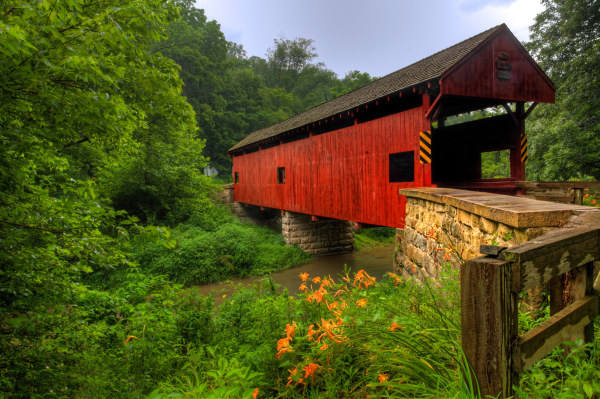 Here are the best places to live in Pennsylvania
 These are the largest cities in Pennsylvania
 Check out the 10 most dangerous cities in Pennsylvania
 Check out the 10 safest cities in Pennsylvania