
| Index | Atascocita | Texas | National |
| Cost of living | 106 | 94 | 100 |
| Groceries | 96 | 98 | 100 |
| Health care | 95 | 98 | 100 |
| Housing | 129 | 83 | 100 |
| Transportation | 95 | 98 | 100 |
| Utilities | 102 | 103 | 100 |
| Lifestyle & Entertainment | 93 | 98 | 100 |
| Household Items | 100 | 98 | 100 |
| Education & Childcare | 95 | 98 | 100 |

Knowing the cost of living in Atascocita allows individuals to create a realistic budget. This helps them understand how their income will cover expenses and whether they need to make financial adjustments. The cost of living in any region can fluctuate due to various factors. To assess the cost of living consistently across different areas, a national average of 100 serves as the basis for the cost of living index. The cost of living in Atascocita stands at 106, marking it 6% higher than the national average.
The cost of living in Atascocita is about average when compared to all other cities across the nation. You can expect that everyday items like food, household expenses and utility bills will be no more expensive than any other average city. Residents can anticipate living expenses that remain in line with the national average, ensuring a manageable financial burden, making it an attractive choice for those seeking affordability without the constraints of higher everyday expenditures.
Housing costs are a very significant part of the Atascocita cost of living index and generally encompass a large percentage of take-home income. Unfortunately, in this area, the housing costs for both homes and rentals were 28.7% more than the average city. This includes things like home and rent prices, mortgage rates and insurance.
Wondering if Atascocita is affordable? It's a question that often comes up when you're thinking about a new city since affordability can really shape your decisions. The cost of living index (covered earlier), housing expenses and income levels all play a part in the affordability equation. In Atascocita, for example, the median home price is 14.6% higher than what folks pay nationally, and monthly rent is 61.6% higher than the usual rates. Plus, income levels matter too, with Atascocita boasting a median household income of $152,938, which is 88% higher than the national average.
Utilities: Similar to the prices of any goods or services, utility expenses can fluctuate widely, contingent on variables such as climate, available energy sources, geographical location and state regulations. Costs associated with electricity, water, heating, and waste disposal can differ in magnitude, depending on the specific city or state. In Atascocita, the utilities index registers at 1.7% higher than the national average.
Healthcare: Healthcare expenditures and insurance premium rates can vary significantly, contingent upon the particular city or state. Factors such as the accessibility of healthcare facilities, out-of-pocket expenses for doctor's appointments, dental care charges, prescription medication costs, and expenses related to specialized medical care can all have an impact on the overall cost of living. In Atascocita, healthcare costs are 4.7% lower than the national average.
Urbanization: Larger, urban centers, known for their wealth of amenities and strong employment prospects, often exhibit an elevated cost of living, primarily attributable to the heightened demand for services and residential relocation. Consequently, this scenario leads to elevated home prices and higher rental rates. In contrast, sparsely populated rural areas or regions characterized by diminished demand typically provide a more limited array of amenities and experience slower job market growth, resulting in a more affordable cost of living.
The Atascocita cost of living data above is designed around a U.S. average baseline of 100, allowing for easy comparisons of relative living costs. Housing incorporates U.S. Census home price and rental data, while all other figures are AI-assisted estimates that account for regional price trends, climate, transportation dynamics, and common everyday expenses. These values are best used as directional city-to-city comparisons.

| Cost of living index | |
| Groceries index | |
| Health care index | |
| Housing index | |
| Transportation index | |
| Utilities index | |
| Lifestyle index | |
| Household index | |
| Educare index |
| Median Income | Per Year | Per Month | Max Budget (28% DTI) | Max Budget (36% DTI) |
| Owners | $160,224 | $13,352 | $3,738 | $4,807 |
| Renters | $112,943 | $9,412 | $2,635 | $3,389 |
| State | General Sales Tax | With Max Surtax |
| Texas | 6.25% | 8.25% |
| State | Income Tax (Low) | Income Tax (High) |
| Texas | 0% | 0% |
| City | Population | Cost of Living Index | National Avg. |
| Barrett, TX | 3,521 | 87 | 13.0% |
| Jacinto City, TX | 10,826 | 87 | 13.0% |
| Aldine, TX | 16,737 | 91 | 9.4% |
| Sheldon, TX | 2,224 | 92 | 8.4% |
| Cloverleaf, TX | 26,890 | 92 | 8.3% |
| Atascocita, TX | 84,337 | 106 | 5.9% |
| City | Population | Cost of Living Index | National Avg. |
| Cicero, IL | 84,320 | 100 | 0.3% |
| Medford, OR | 84,271 | 117 | 17.0% |
| Kennewick, WA | 84,474 | 114 | 14.3% |
| The Villages, FL | 84,115 | 120 | 20.5% |
| Pine Hills, FL | 84,582 | 101 | 1.4% |
| Atascocita, TX | 84,337 | 106 | 5.9% |

 Here are the best places to live in Texas
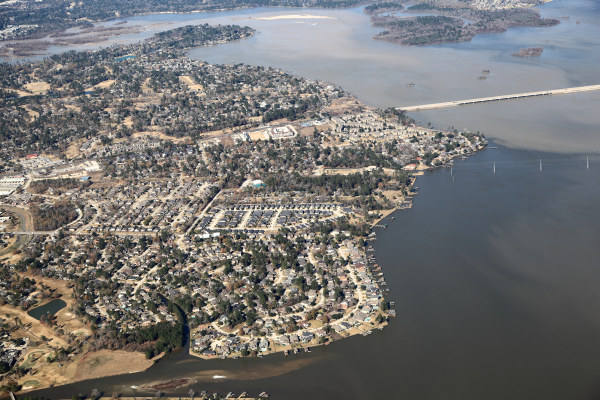 See the best places to live in Atascocita
 Most Dangerous Cities In The US
 Check out the 10 safest cities in Texas