

Living in Washington, DC, known as 'The Nation's Capital,' offers a unique blend of historical significance, political importance, and vibrant urban living. Located on the east coast, Washington, DC is a large city that serves as the seat of the federal government of the United States. Major nearby cities like Baltimore and Arlington enhance its appeal as a central hub in the Mid-Atlantic region. Washington, DC's blend of historic landmarks, cultural festivals, and urban amenities creates a distinctive living experience.
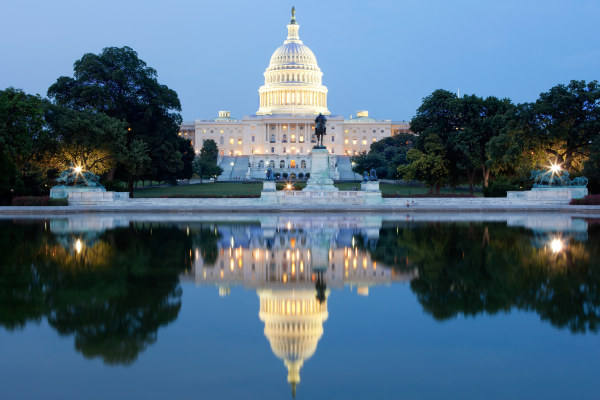
Washington, DC is home to several iconic landmarks, including the White House, the Capitol Building, and the Washington Monument. The city offers a variety of attractions, from the Smithsonian Institution, which comprises numerous museums and galleries, to the National Mall, which is a central point for gatherings and events. Washington, DC's dining scene is diverse, offering everything from gourmet restaurants to casual eateries serving international cuisine.
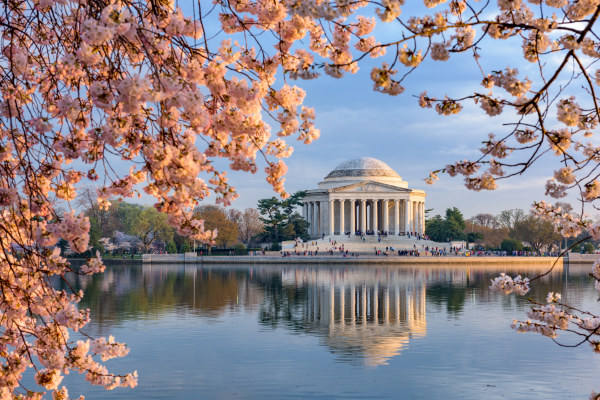
Annual events such as the National Cherry Blossom Festival and Independence Day celebrations on the National Mall highlight the city's vibrant cultural scene and provide unique entertainment opportunities for residents and visitors. These events celebrate Washington, DC's rich cultural heritage and community spirit. Prestigious institutions like Georgetown University and George Washington University contribute to the city's academic and cultural vibrancy, fostering a thriving intellectual community.
The arts and culture scene in Washington, DC is vibrant and diverse, with numerous theaters, music venues, and art galleries. The Kennedy Center for the Performing Arts and the National Gallery of Art are just a few of the cultural landmarks that showcase the city's commitment to the arts. Living in Washington, DC provides ample opportunities to engage with art, music, and history, making it an exciting place to call home.
Washington, DC’s community is welcoming and diverse, creating a friendly environment for newcomers. The city is home to professional sports teams like the Nationals (MLB) and the Capitals (NHL), providing plenty of excitement for sports fans. Major industries in Washington, DC include government, education, and healthcare, with significant employers such as the federal government and MedStar Health driving economic growth. The city has extensive public transit options, including the Metro system, buses, and bike-sharing programs, making it easy to navigate the city. Washington, DC experiences a humid subtropical climate, with hot summers and mild winters, making it a comfortable place to live year-round.
Washington, District of Columbia is a highly populated city with a population of 721,713 residents. With a population density of 11,804 people per square mile, Washington is well above the nation's average density level. Washington is known to be an ethnically diverse city. The two most common races are White (41%) and Black or African American (45%). Washington is very likely to be a great place to live for singles as only 34%, of the population (over fifteen) are classified as married. An important consideration when living in Washington is the longer-than-average commute times. If you seek a short work commute, this area may not be the best choice for you. The one-way commute time here typically takes 31 minutes, far surpassing the national average of 26 minutes.
Living in Washington can be a positive experience for anyone relocating to the town. Having said that, in the state of District of Columbia, there are many amazing places to live, so choose wisely! When searching for a new neighborhood, several factors play a vital role in determining its suitability. Safety should be a top priority, ensuring a secure environment with low crime rates. Proximity to your workplace or school helps minimize commuting time and allows for a better work-life balance. Availability of essential amenities such as parks, coffee shops, restaurants, grocery stores, and healthcare facilities contributes to convenience and well-being. Access to reliable public transportation options facilitates easy commuting and connectivity. Additionally, considering the sense of community and the overall atmosphere that resonates with your lifestyle and preferences fosters a harmonious living experience. The best areas in Washington and in surrounding cities are easier to find when you are able to make informed decisions. Using data from crime, commute, health & safety, employment, housing, you will see a detailed breakdown of the most important information as well as comparisons to the District of Columbia and national averages.
Using data and statistics Washington has received a livability score of 75 out of 100. This score is ranked in the 86th percentile when compared to all other cities. This is a fantastic score, as Washington ranks well in multiple categories! There are nine total categories that generate the livability score. Washington scores well for employment (A+) There is at least one category that did not score well in Washington. The following was graded with a discouraging score: crime (F) and cost of living (F).
If you're living in Washington, you can expect to enjoy a multitude of local amenities, mostly thanks to the strategic placement of essential services such as grocery stores, restaurants, coffee shops, parks and various shops. If you're contemplating a move to this locale with the intent of establishing it as your permanent residence, you'll be pleased to find an extensive array of amenities and recreational opportunities within easy reach, either on foot or via a brief commute. This wealth of accessible amenities not only enhances the livability of the area but also ensures that you can enjoy a rich and fulfilling lifestyle, making Washington an attractive destination for those seeking a vibrant and well-served community to call home. Some of the more notable entertainment options include: Lincoln Memorial and Reflecting Pool, National Air and Space Museum, and Newseum.
Washington real estate prices and overall affordability will play a huge role in determining if the area is the right fit for you. Of course there are probably some other items on your “wish list”, but even before they are considered, let’s take a look at the home prices and affordability in Washington. The median home price for Washington homes is $1,113,288, which is 20.8% higher than the District of Columbia average. If we take a closer look at the affordability of homes in Washington, we’ll see that the home price to income ratio is 8.1, which is 3.6% lower than the District of Columbia average.

| Statistic | Washington | District of Columbia | National |
| Average one way commute | 31min | 30min | 26min |
| Workers who drive to work | 32.1% | 33.7% | 76.4% |
| Workers who carpool | 4.9% | 5.4% | 9.3% |
| Workers who take public transit | 31.5% | 36.8% | 5.1% |
| Workers who bicycle | 4.2% | 4.3% | 0.6% |
| Workers who walk | 12.5% | 13.3% | 2.8% |
| Working from home | 12.3% | 5.2% | 4.6% |
 Here are the best places to live in District of Columbia
 Most Dangerous Cities In The US
 Safest Cities In The US
 See the best places to live in Washington