

 Amenities
A wealth of amenities, such as restaurants, coffee shops, grocery stores, parks and fitness facilities, are all conveniently located within walking distance.
 Commute
An elevated score in the commute category points to excellent public transit accessibility and shorter-than-average work commute times in this area.
 Cost Of Living
Taking into account the cost of goods and services like housing, groceries, transportation and utilities, the overall cost of living in this area is well below average.
 Housing
High scores in the housing category are a distinguishing feature of this area, possibly driven by a favorable home affordability ratio, higher home values and appreciation rates.
 Health & Safety
Good air quality as well as nearby health facilities like hospitals, clinics, nursing homes, fire and police stations all contribute to a higher than average health and safety score.
 Crime
Crime
This area reports elevated crime rates per 100,000 individuals, potentially pointing some areas being unsafe for its residents. Stats are based on both property and violent crimes.
Rutland, Vermont is a medium-sized city with a population of 15,668 inhabitants. According to the most recent Census, 95% of Rutland residents are White, 1% Black and 1% Asian. In Rutland, there seems to be a shift in population towards an older age group. The average age of the population is now 48, which is significantly higher than the nation’s average. If you're not a fan of traffic congestion and long commute times to work, Rutland is the place to be. Commutes to work here are shorter, with an average one-way commute time taking only 18 minutes, significantly lower than the national average of 26 minutes.
Are you trying to ascertain if living in Rutland is the right fit for your lifestyle? To ensure a positive experience before moving to any new city in Vermont, you will probably want to make sure that you check all of the most important boxes. Several key factors deserve attention. For one, safety is paramount, ensuring that your new area is low in crime is key. Proximity to workplaces or schools minimizes commute times and fosters convenience. Access to essential amenities like parks, grocery stores, food, fitness, shops and healthcare facilities enhances daily life. Efficient public transportation options provide mobility and connectivity. The sense of community creates a welcoming and supportive environment. Lastly, the overall atmosphere, encompassing the vibe, aesthetics, and lifestyle offerings, contributes to a fulfilling living experience. Considering these elements helps identify the ideal neighborhood for your needs and preferences. The best areas in Rutland and in surrounding cities are easier to find when you are able to make informed decisions. Using data from commute, health & safety, education, housing, you will see a detailed breakdown of the most important information as well as comparisons to the Vermont and national averages.
The livability score in Rutland is 79 out of 100 and the city is ranked in the 93rd percentile of all cities across America. Compared to the US average, Rutland ranks among some of the best places to live in the country! Rutland is also ranked in the top 10 percentile of all cities across the USA. Based on the rankings for each individual category, Rutland has received high marks for amenities (A-), education (A+) and housing (A-). There is at least one category that does not have great scores in Rutland. The following was graded with a concerning score: crime (F).
If you're living in Rutland, you can expect to enjoy a multitude of local amenities, mostly thanks to the strategic placement of essential services such as grocery stores, restaurants, coffee shops, parks and various shops. If you're contemplating a move to this locale with the intent of establishing it as your permanent residence, you'll be pleased to find an extensive array of amenities and recreational opportunities within easy reach, either on foot or via a brief commute. This wealth of accessible amenities not only enhances the livability of the area but also ensures that you can enjoy a rich and fulfilling lifestyle, making Rutland an attractive destination for those seeking a vibrant and well-served community to call home.
Real estate represents the most substantial investment for homebuyers, constituting their most valuable asset. Renters, on the other hand, typically see their monthly rent as their most significant expense. The Rutland market earns a high score in the housing category, surpassing the national average in factors like home and rental affordability and appreciation rates. This robust real estate market not only benefits individual homeowners and renters but also spurs vigorous local economic activity and job growth, solidifying its significance in driving the region's prosperity and financial well-being.
Certain items on your wish list like shopping, restaurants, nightlife, parks and proximity to public transportation are all important things to look for. Having said that, perhaps the most important metric to consider when contemplating a move to Rutland is real estate affordability. Median real estate prices in Rutland come in at $265,975, which is 33.5% lower than the Vermont average. The home price to income ratio compares the median home prices to the median household income. In Rutland, the home price to income ratio is 3.8, which is 22.4% lower than the Vermont average.

| Statistic | Rutland | Vermont | National |
| Average one way commute | 18min | 23min | 26min |
| Workers who drive to work | 78.5% | 75.6% | 76.4% |
| Workers who carpool | 9.0% | 9.1% | 9.3% |
| Workers who take public transit | 1.9% | 1.2% | 5.1% |
| Workers who bicycle | 0.0% | 0.8% | 0.6% |
| Workers who walk | 6.2% | 5.7% | 2.8% |
| Working from home | 3.7% | 6.7% | 4.6% |

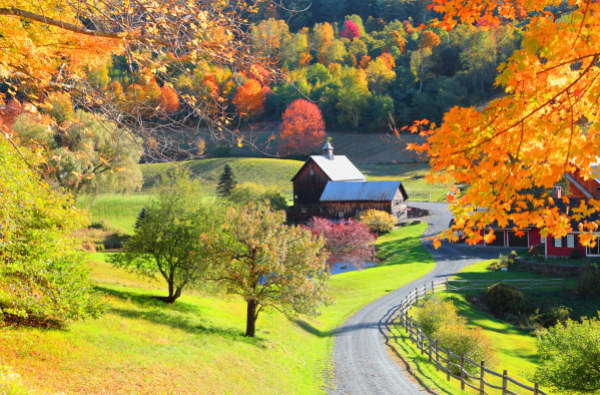 Here are the best places to live in Vermont
 Safest States In The US
 Most Dangerous Cities In The US
 These are the 10 cheapest cities in Vermont