

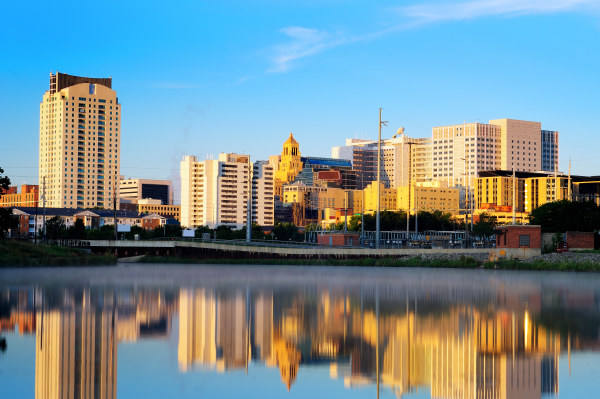
Rochester, Minnesota, known as "Med City," is renowned for its world-class healthcare and vibrant community. Home to the Mayo Clinic, one of the most prestigious medical centers in the world, Rochester offers a high quality of life for its residents. The city's blend of healthcare excellence, cultural richness, and welcoming atmosphere makes living in Rochester an attractive option.
Residents of Rochester enjoy a variety of recreational activities and cultural events. The city's numerous parks, trails, and recreational facilities provide ample opportunities for outdoor activities. Silver Lake Park and Quarry Hill Nature Center are popular destinations for hiking, biking, and picnicking. The city also hosts numerous festivals and events, including the Rochesterfest and Thursdays on First & 3rd Summer Market & Music Festival.
Rochester's strong economy is supported by the healthcare industry, with the Mayo Clinic being the largest employer. The city's commitment to education is evident with institutions like the University of Minnesota Rochester and Rochester Community and Technical College. These institutions contribute to the city's vibrant academic and cultural environment.
The cost of living in Rochester is relatively affordable compared to other parts of Minnesota, making it an attractive option for families and young professionals. The housing market includes a variety of options, from historic homes in charming neighborhoods to modern apartments and condos. The city's strong sense of community and welcoming atmosphere further enhance its appeal.
Public transportation in Rochester is provided by Rochester Public Transit, facilitating easy commutes within the city and to neighboring areas. Rochester's climate features four distinct seasons, with cold winters and warm summers, allowing for a variety of seasonal activities. Overall, Rochester offers a blend of healthcare excellence, cultural richness, and community spirit, making it a desirable place to live.
Located in the state of Minnesota, Rochester is a mid-sized city with a population of 121,687 people. If we take a look at the last Census, the vast majority of the population falls within one racial group (78% White). Given that fact, Rochester could be considered less diverse than other cities. Not a fan of sitting in traffic during your commute to work? Rochester offers shorter work commutes, with an average one-way commute time taking only 17 minutes, far lower than the national average of 26 minutes.
If you’re considering moving to any new city, it could be a very daunting task. However, it could also be a great experience if you are willing to get to know the city before actually living in Rochester, Minnesota. When searching for a new neighborhood, several key items should be considered. Safety is of utmost importance, ensuring a secure environment with low crime. Proximity to your workplace or school helps reduce commuting time and offers convenience. Access to amenities such as parks, grocery stores, and healthcare facilities enhances your daily life. Public transportation options contribute to easy mobility. A sense of community fosters a supportive and engaging environment. Lastly, the overall atmosphere should align with your desired lifestyle, ensuring a fulfilling living experience. Considering these items will guide you towards finding the perfect neighborhood that fits all your needs. The best areas in Rochester and in surrounding cities are easier to find when you are able to make informed decisions. Using data from amenities, commute, education, you will see a detailed breakdown of the most important information as well as comparisons to the Minnesota and national averages.
With a livability score of 92 out of 100, Rochester is ranked #19 in the United States and #1 in Minnesota. Clearly, Rochester is doing something right, as this score ranks well above the average of most cities. The cherry on top is that Rochester also ranks in the top 10 percent of all cities. Based on the rankings for each individual category, Rochester has received high marks for crime (B), cost of living (A-), education (A-), employment (A+) and housing (A+).
The mantra of real estate, "location, location, location," underscores the importance of where a property is situated, making it a pivotal factor in your quest for a new home. Fortunately, when you're living in Rochester, you'll discover an abundance of exceptional local amenities and lots of things to do. Among these are conveniently located grocery stores, charming coffee shops, diverse dining options and plenty of spacious parks. These local amenities contribute significantly to its overall appeal, ensuring that your daily needs are met and offering ample opportunities for leisure and recreation. When considering your next move, the thriving local scene in Rochester undoubtedly enhances its desirability, affirming the significance of its prime location. Here are some of the more popular things to do in Rochester: Plummer House, Assisi Heights, and Chateau Theater.
Low rates of violent crime, encompassing offenses such as murder, rape, robbery and assault, contribute significantly to a safer living environment. This reduction in crime minimizes the chances of personal harm, property theft, or violent incidents. Furthermore, low crime rates can have a positive impact on property values and the overall desirability of an area. There were 154 crimes per 100,000 residents, which signifies that Rochester boasts an impressively low violent crime rate that falls well below the national average.
Real estate represents the most substantial investment for homebuyers, constituting their most valuable asset. Renters, on the other hand, typically see their monthly rent as their most significant expense. The Rochester market earns a high score in the housing category, surpassing the national average in factors like home and rental affordability and appreciation rates. This robust real estate market not only benefits individual homeowners and renters but also spurs vigorous local economic activity and job growth, solidifying its significance in driving the region's prosperity and financial well-being.
There are many factors that go into deciding if an area is the right fit for your lifestyle. Certain “must haves” like low crime, great schools and nearby amenities are all at the top of most people's lists. But before even considering if those options are attainable, we'll need to know if the real estate in Rochester is actually affordable. The median home price for Rochester homes is $390,886, which is 15.3% higher than the Minnesota average. If we take a closer look at the affordability of homes in Rochester, we’ll see that the home price to income ratio is 3.5, which is 5.4% lower than the Minnesota average.

| Statistic | Rochester | Minnesota | National |
| Average one way commute | 17min | 23min | 26min |
| Workers who drive to work | 68.7% | 78.0% | 76.4% |
| Workers who carpool | 11.9% | 8.7% | 9.3% |
| Workers who take public transit | 5.8% | 3.5% | 5.1% |
| Workers who bicycle | 0.9% | 0.8% | 0.6% |
| Workers who walk | 4.3% | 2.8% | 2.8% |
| Working from home | 7.4% | 5.3% | 4.6% |

 Here are the best places to live in Minnesota
 Most Dangerous States In The US
 Check out the 10 most dangerous cities in Minnesota
 See the best places to live in Rochester