

 Cost Of Living
Taking into account the cost of goods and services like housing, groceries, transportation and utilities, the overall cost of living in this area is well below average.
 Housing
High scores in the housing category are a distinguishing feature of this area, possibly driven by a favorable home affordability ratio, higher home values and appreciation rates.
 Health & Safety
Good air quality as well as nearby health facilities like hospitals, clinics, nursing homes, fire and police stations all contribute to a higher than average health and safety score.
 Ratings
Based on recent surveys and polls, locals gave high marks in the walkability to local amenities, safety, public transit, friendliness of neighbors and overall sense of community in the area.
 Amenities
The majority of amenities are not ideally located within walking distance. To access these amenities, residents may be required to rely on a vehicle or public transit.
 Commute
A low commute score could be due to longer-than-average work commutes and the limited availability of public transportation in this area.
 Crime
Crime
This area reports elevated crime rates per 100,000 individuals, potentially pointing some areas being unsafe for its residents. Stats are based on both property and violent crimes.
 Employment
In the employment category, a low score could be attributed to low income levels and high unemployment in the area, suggesting potential difficulties in finding lucrative employment.
 Schools
The low schools score could result from issues like below-average graduation rates, inadequate reading and math scores, and the unavailability of local elementary and high schools.
Ridgeland is a small city located in the state of South Carolina. The city has a population of 4,013 residents. With a population density of 83 people per square mile, Ridgeland is well below the nation's average density level. Individuals of White (43%) and Black or African American (53%) backgrounds make up a significant portion of the population of the city. The median age of all Ridgeland residents is 32, which is well below the national average. This is a good indication that this city could be ideal for a younger demographic. All the single ladies and all the single fellas might want to take notice as only 39% of the Ridgeland population is married. The average American spends about 26 minutes on their one way commute to work each day. Lower travel times can increase overall happiness and allow for more time to be spent with family and friends. While living in Ridgeland, your commute times will be about average, with a one way commute time of 28 minutes.
Whether you’re relocating to a new town to be closer to family, friends or for a new job, living in Ridgeland could be a positive experience compared to other cities in South Carolina if you know where to look. Don't forget to determine what matters most to you in a neighborhood. Consider factors such as safety, proximity to work or school, access to amenities (like parks, fitness facilities, grocery stores, restaurants), public transportation options, community atmosphere and the overall vibe you're looking for. To help you find the best places to live in and around Ridgeland, AreaVibes has created a livability score using key metrics like amenities, health & safety, education, housing and more.
Ridgeland, SC receives 71/100 for its livability score; this results in a ranking of #50 in South Carolina and #6,449 in the USA. There are nine total categories that create the livability score. Ridgeland ranks well for crime (A+), cost of living (A) and housing (B+) On a more negative note, Ridgeland does not have favorable scores for the following: amenities (F), education (F) and employment (D-). If we take a look at the data, we can find out why.
When contemplating a move, job prospects often top the list of priorities. In Ridgeland, the outlook for new employment is notably brighter than in many other areas. The low unemployment rate of 0.8% points to a surge in job opportunities, the potential for higher wages, enhanced workforce productivity and increased economic growth. These favorable conditions bode well for individuals seeking career advancement and financial stability, making this area an appealing destination for those prioritizing professional opportunities and economic prosperity.
Finding affordable real estate and housing in Ridgeland can be tricky. Having said that, this area might be the place to get the best of both worlds. Based on factors like home/rental affordability and appreciation rates, this area has received an above average score in the housing category. A healthy real estate market can lead to wealth appreciation for property owners, as rising property values can contribute to homeowners' equity, financial stability and the ability to build long-term wealth.
Being close to public transit, grocery stores, parks and other conveniences are all important when weighing your options for a new home in Ridgeland. Before you determine if any of these amenities are available in the area, you will also want to know if the real estate prices in Ridgeland are affordable. Median real estate prices in Ridgeland come in at $290,198, which is 11.6% higher than the South Carolina average. The home price to income ratio compares the median home prices to the median household income. In Ridgeland, the home price to income ratio is 5.5, which is 44.7% higher than the South Carolina average.
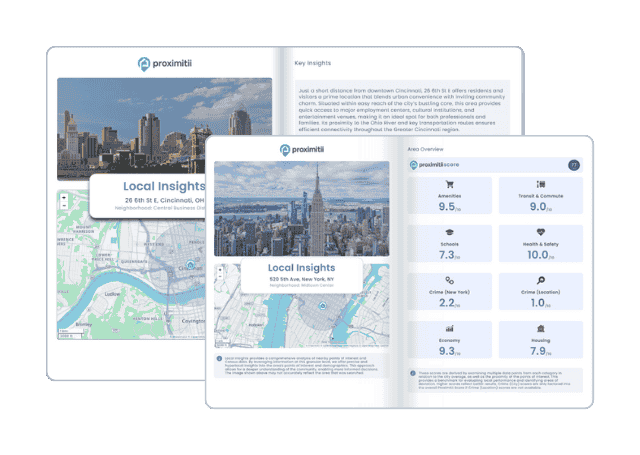
Why stop at city-to-city? With Local Insights, you can compare neighborhoods, zip codes, or even exact addresses. Access 300+ hyperlocal data points—from schools and crime to housing and amenities—to see which area is the better fit.

| Statistic | Ridgeland | South Carolina | National |
| Average one way commute | 28min | 24min | 26min |
| Workers who drive to work | 73.9% | 82.8% | 76.4% |
| Workers who carpool | 19.6% | 9.3% | 9.3% |
| Workers who take public transit | 0.3% | 0.6% | 5.1% |
| Workers who bicycle | 0.0% | 0.3% | 0.6% |
| Workers who walk | 5.4% | 2.2% | 2.8% |
| Working from home | 0.8% | 3.6% | 4.6% |

 Here are the best places to live in South Carolina
 Safest Cities In The US
 These are the largest cities in South Carolina
 These are the 10 cheapest cities in South Carolina