
| Statistic | Peapack and Gladstone | New Jersey | National |
| Population | 2,646 | 9,226,043 | 336,919,644 |
| Population density (sq mi) | 462 | 1,255 | 91 |
| Median age | 42.1 | 39.5 | 37.7 |
| Male/Female ratio | 0.8:1 | 1.0:1 | 1.0:1 |
| Married (15yrs & older) | 61% | 56% | 55% |
| Families w/ Kids under 18 | 42% | 45% | 43% |
| Speak English | 83% | 69% | 79% |
| Speak Spanish | 11% | 16% | 13% |

Understanding the demographics of Peapack and Gladstone is essential for gaining insights into the composition, dynamics and needs of any city, town or village. This knowledge empowers planners, developers and policymakers to strategize effectively, promoting prosperity, equity and well-being for all residents. The Peapack and Gladstone population is 2,646, with a population density of 462 people per square mile, diverging from the national average of 91. The median age is 42.1, and 61% of individuals aged 15 or older are married, while 42% have children under 18. As far as income equality in Peapack and Gladstone, 7% of households have a median income below $25,000, whereas 47% report an income exceeding $150,000, indicating a varied economic landscape within the area.
The Peapack and Gladstone racial demographics and ethnicity breakdown serves as a critical tool for understanding and addressing systemic inequities, promoting social justice and inclusion and building stronger, more resilient communities. The racial breakdown in Peapack and Gladstone is 88.5% White, 4.4% Black or African American, 2.6% Asian, 0% American Indian and 0% Native Hawaiian - 14.1% of the population identify as Hispanic or Latino. Of all households, 83.3% reported speaking English only, while 11.2% reported speaking Spanish only. A total of 13.8% of residents were considered foreign born.
Towns, villages or even small cities with below-average population density, like Peapack and Gladstone, offer the expectation of a more laid-back lifestyle, deeper immersion in nature, strong community bonds, improved affordability and enhanced safety, drawing individuals seeking respite from the hustle and bustle of urban living. These regions often feature a more affordable cost of living, with housing prices typically more reasonable and residents may enjoy reduced taxes, living expenses and insurance rates. Low population density areas generally boast lower crime rates than densely populated urban areas, fostering a greater sense of safety and security for residents and their families. Peapack and Gladstone has a population density of 462 people per square mile, which falls below 50% of cities nationwide, positioning it to leverage these outstanding benefits.
Understanding Populations: The examination and analysis of Peapack and Gladstone demographic data can offer valuable insights into the composition and traits of populations, including age, gender, race, ethnicity, income, education and various socio-economic factors. This understanding is essential for addressing the varied needs, preferences, and challenges faced by different demographic groups within communities. Demographics hold significant importance in understanding populations, guiding decision-making processes and promoting equity, inclusion, and overall well-being for all individuals and communities. The Peapack and Gladstone population data serves as a cornerstone for addressing social, economic and environmental challenges, while also fostering the well-being and resilience of societies.
Urban Development: Utilizing Peapack and Gladstone demographic statistics and data, urban planners can craft and develop areas that cater to local residents, encompassing housing, transportation and public services, all while emphasizing sustainability and enriching quality of life. Demographic transitions can contribute to gentrification and neighborhood evolution, whether in urban or rural environments. As neighborhoods draw in new residents with varying income levels and lifestyle preferences, property values may appreciate, potentially displacing longtime inhabitants and reshaping the neighborhood's fabric. Comprehensive insights into population density, age distribution, household size, and income levels are instrumental in guiding decisions regarding zoning, transportation infrastructure, housing expansion and public amenities. Harnessing Peapack and Gladstone demographic stats for planning and executing affordable housing initiatives can serve as a preventive measure against displacement.
Policy Planning: Demographic data and statistics play a fundamental role in informing policy and decision-making processes across government entities, organizations and businesses. Through the analysis and interpretation of Peapack and Gladstone demographic data, policymakers, government officials, and organizational leaders can pinpoint areas of concern, allocate resources efficiently, and devise policies and initiatives tailored to the specific needs and preferences of distinct demographic groups. The utilization of demographics in Peapack and Gladstone can be crucial in policy planning, facilitating evidence-based decision-making, identifying key priorities, forecasting future trends, monitoring policy outcomes and advancing principles of equity and inclusion. By harnessing this data effectively, policymakers can develop policies that are targeted, effective and inclusive, thus meeting the diverse needs of communities.
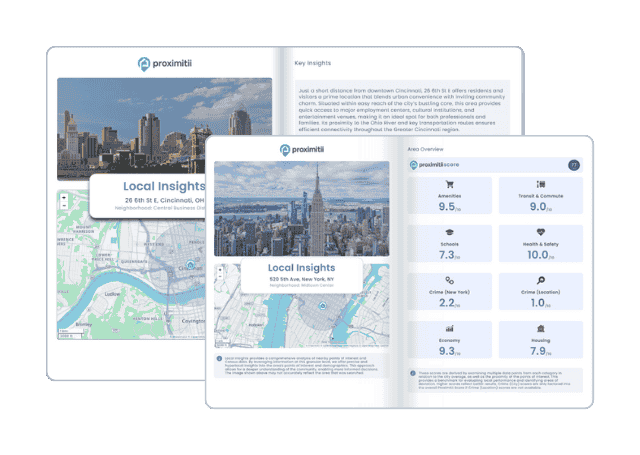
Why stop at city-to-city? With Local Insights, you can compare neighborhoods, zip codes, or even exact addresses. Access 300+ hyperlocal data points—from schools and crime to housing and amenities—to see which area is the better fit.
| Race | Peapack and Gladstone | New Jersey | National |
| White | 88.46% | 68.15% | 73.35% |
| Black | 4.42% | 13.54% | 12.63% |
| Asian | 2.59% | 9.19% | 5.22% |
| American Indian | 0.00% | 0.21% | 0.82% |
| Native Hawaiian | 0.00% | 0.03% | 0.18% |
| Mixed race | 3.02% | 2.53% | 3.06% |
| Other race | 1.51% | 6.35% | 4.75% |

 Here are the best places to live in New Jersey
 Check out the 10 most dangerous cities in New Jersey
 Check out the 10 safest cities in New Jersey
 See the best places to live in Peapack and Gladstone