

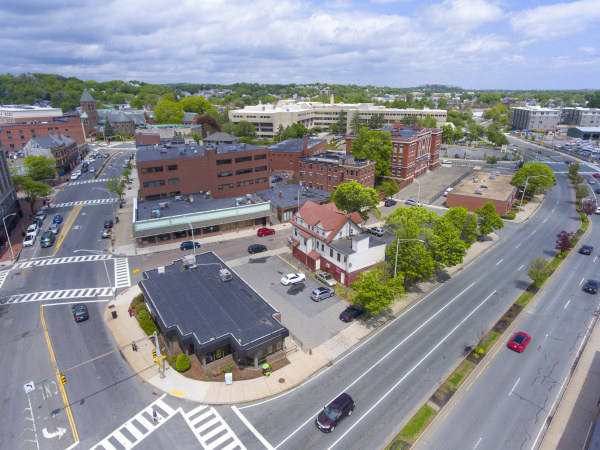
Malden, Massachusetts is a medium-sized city with a population of 62,735 residents. With a population density of 12,436 people per square mile, Malden is well above the nation's average density level. Long, unnecessary commutes can be both frustrating and inconvenient when heading to work. Nationwide, the average one-way commute time takes 26 minutes, but regrettably, residing in Malden entails a longer-than-average one-way commute time, averaging 37 minutes.
Without the right tools, relocating to any new city can be very stressful and challenging. Living in Malden, Massachusetts could be a great experience for anyone who puts in the effort to do the research required. When searching for a new neighborhood, several key items should be considered. Safety is paramount, ensuring a secure environment for you and your family. Proximity to workplaces or schools reduces commuting time and enhances convenience. Access to amenities like parks, grocery stores and healthcare facilities contributes to a comfortable lifestyle. Reliable public transportation options promote easy mobility. A strong sense of community fosters social connections and a welcoming atmosphere. Finding the best places to live in Malden and nearby areas is a much easier task when you can rely on information and data from the livability score, which includes amenities, cost of living, health & safety, housing and other important metrics.
Malden, MA receives 83 out of 100 for its livability score; this results in a ranking of #23 in Massachusetts and #817 in the USA. Based on this score, Malden would be considered a very livable city! Another exciting tidbit, is that Malden ranks better than 90% of all US cities! If we consider each of the categories individually, we see that Malden ranks well for amenities (A+), crime (B+), education (B-), employment (A) and housing (B). There is at least one category that you should be aware of in Malden. The following was graded with a concerning score: cost of living (F).
The mantra of real estate, "location, location, location," underscores the importance of where a property is situated, making it a pivotal factor in your quest for a new home. Fortunately, when you're living in Malden, you'll discover an abundance of exceptional local amenities and lots of things to do. Among these are conveniently located grocery stores, charming coffee shops, diverse dining options and plenty of spacious parks. These local amenities contribute significantly to its overall appeal, ensuring that your daily needs are met and offering ample opportunities for leisure and recreation. When considering your next move, the thriving local scene in Malden undoubtedly enhances its desirability, affirming the significance of its prime location.
Real estate represents the most substantial investment for homebuyers, constituting their most valuable asset. Renters, on the other hand, typically see their monthly rent as their most significant expense. The Malden market earns a high score in the housing category, surpassing the national average in factors like home and rental affordability and appreciation rates. This robust real estate market not only benefits individual homeowners and renters but also spurs vigorous local economic activity and job growth, solidifying its significance in driving the region's prosperity and financial well-being.
There are many factors that go into deciding if an area is the right fit for your lifestyle. Certain “must haves” like low crime, great schools and nearby amenities are all at the top of most people's lists. But before even considering if those options are attainable, we'll need to know if the real estate in Malden is actually affordable. The median home price for Malden homes is $812,514, which is 30.1% higher than the Massachusetts average. If we take a closer look at the affordability of homes in Malden, we’ll see that the home price to income ratio is 7.6, which is 28.8% higher than the Massachusetts average.

| Statistic | Malden | Massachusetts | National |
| Average one way commute | 37min | 29min | 26min |
| Workers who drive to work | 51.1% | 71.1% | 76.4% |
| Workers who carpool | 9.9% | 7.5% | 9.3% |
| Workers who take public transit | 27.9% | 9.9% | 5.1% |
| Workers who bicycle | 0.4% | 0.8% | 0.6% |
| Workers who walk | 2.0% | 4.9% | 2.8% |
| Working from home | 7.6% | 4.7% | 4.6% |

 Here are the best places to live in Massachusetts
 See the best places to live in Malden
 Safest Cities In The US
 Check out the 10 most dangerous cities in Massachusetts