

 Cost Of Living
The cost of living in this region is notably lower than the national average, encompassing everyday goods, housing, utilities, transportation and health care expenses.
 Housing
High scores in the housing category are attributed to this area, possibly pointing to a favorable home affordability ratio, robust appreciation rates or elevated home values.
 Health & Safety
Achieving a high health and safety score relies on factors including great air quality and convenient access to vital health facilities such as hospitals, doctors, clinics and police stations.
 Schools
The schools category boasts a high score thanks to factors like excellent test scores, impressive graduation rates and the convenient placement of elementary and high schools in this area.
 Ratings
Locals express favorable opinions about the proximity of everyday local amenities, parks, public transit, neighborly atmosphere, strong sense of community and the general safety of the area.
 Commute
Access to public transportation in this particular area may be limited, which can result in longer-than-average commute times to reach workplaces.
Located in the state of South Carolina, Garden City is a mid-sized city with a population of 11,443 people. If we look at the most recent Census, Garden City is known to have a predominantly White population. The next two most common races are Black and American Indian and Alaskan. With an average age of 61 years, Garden City residents appear to be older compared to the national average. For seniors and retirees, this city presents itself as a compelling choice. If you're not a fan of traffic congestion and long commute times to work, Garden City is the place to be. Commutes to work here are shorter, with an average one-way commute time taking only 19 minutes, significantly lower than the national average of 26 minutes.
If you’re considering moving to any new city, it could be a very discouraging task. However, it could also be a positive experience if you are willing to get to know the area before actually living in Garden City, South Carolina. When searching for a new neighborhood, several key items should be considered. Safety is of utmost importance, ensuring a secure environment with low crime. Proximity to your workplace or school helps reduce commuting time and offers convenience. Access to amenities such as parks, grocery stores, and healthcare facilities enhances your daily life. Public transportation options contribute to easy mobility. A sense of community fosters a supportive and engaging environment. Lastly, the overall atmosphere should align with your desired lifestyle, ensuring a fulfilling living experience. Considering these items will guide you towards finding the perfect neighborhood that fits all your needs. The best areas in Garden City and in surrounding cities are easier to find when you are able to make informed decisions. Using data from cost of living, health & safety, education, you will see a detailed breakdown of the most important information as well as comparisons to the South Carolina and national averages.
Garden City, SC receives 77 out of 100 for its livability score; this results in a ranking of #17 in South Carolina and #2,532 in the USA. Clearly, Garden City is doing something right, as this score ranks well above the average of most cities. Garden City also ranks in the top 10 percent of all cities, which is no small feat! If we dig down a little deeper into each category within the livability score, we see that Garden City has higher than average grades for the following: cost of living (A+), education (A-) and housing (A+). On a more negative note, Garden City does not have favorable ranks for the following: crime (D). If we take a look at the data, we can find out why.
Unemployment rates can vary significantly among cities, impacting job prospects, wage levels and the overall economic health of an area. In Garden City, the unemployment rate stands at 1.1%, suggesting increased job opportunities and a heightened demand for workers. This scenario can lead to higher wages, as the demand for employees outpaces job availability. Importantly, a low unemployment rate often signifies a robust and flourishing local economy.
Test scores serve as a vital gauge of a school's academic prowess and the proficiency of its students. They play a pivotal role in assessing whether local schools can deliver a robust educational foundation for children. In Garden City, the schools boast an impressive average test score of 73%, significantly higher than the national average. This outstanding academic achievement not only reflects the excellence of the local educational system, but also indicates the potential for students to thrive academically, making it an attractive destination for families seeking a high-quality education for their children.
A healthy real estate market serves as a key economic indicator. It could signify overall local economic strength, stability and reflects consumer confidence in the area. Based on multiple factors including: median home and rental prices, appreciation rates and home affordability, Garden City has received high marks in the housing category. Based on these calculations, the apartment rental and real estate market appears to be very healthy.
Garden City real estate prices and overall affordability will play a huge role in determining if the area is the right fit for you. Of course there are probably some other items on your “wish list”, but even before they are considered, let’s take a look at the home prices and affordability in Garden City. The median home price for Garden City homes is $264,116, which is 1.5% higher than the South Carolina average. If we take a closer look at the affordability of homes in Garden City, we’ll see that the home price to income ratio is 4, which is 5.3% higher than the South Carolina average.
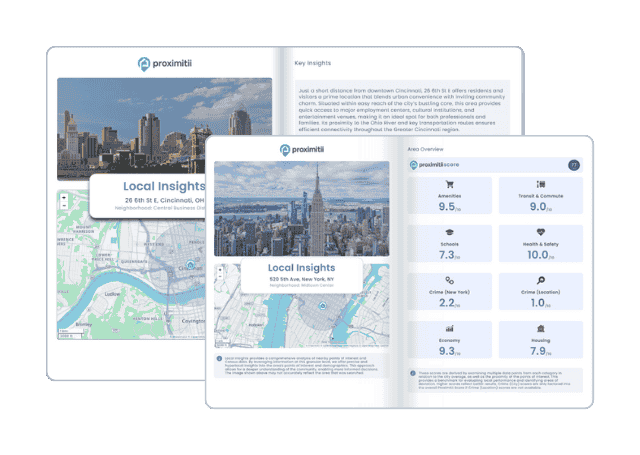
Why stop at city-to-city? With Local Insights, you can compare neighborhoods, zip codes, or even exact addresses. Access 300+ hyperlocal data points—from schools and crime to housing and amenities—to see which area is the better fit.

| Statistic | Garden City | South Carolina | National |
| Average one way commute | 19min | 24min | 26min |
| Workers who drive to work | 88.9% | 82.8% | 76.4% |
| Workers who carpool | 3.8% | 9.3% | 9.3% |
| Workers who take public transit | 0.0% | 0.6% | 5.1% |
| Workers who bicycle | 0.0% | 0.3% | 0.6% |
| Workers who walk | 0.5% | 2.2% | 2.8% |
| Working from home | 6.4% | 3.6% | 4.6% |

 Here are the best places to live in South Carolina
 Safest States In The US
 Check out the 10 safest cities in South Carolina
 These are the 10 cheapest cities in South Carolina