

 Cost Of Living
The cost of living in this region is notably lower than the national average, encompassing everyday goods, housing, utilities, transportation and health care expenses.
 Housing
High scores in the housing category are attributed to this area, possibly pointing to a favorable home affordability ratio, robust appreciation rates or elevated home values.
 Ratings
Locals express favorable opinions about the proximity of everyday local amenities, parks, public transit, neighborly atmosphere, strong sense of community and the general safety of the area.
 Commute
Access to public transportation in this particular area may be limited, which can result in longer-than-average commute times to reach workplaces.
 Crime
Crime
This area exhibits elevated crime rates per 100,000 residents, which may suggest it's a potentially unsafe place to reside. These rates encompass both property and violent crimes.
 Health & Safety
A low health and safety score may be attributed to factors such as subpar air quality and the unavailability of certain health-related facilities like hospitals, clinics, doctors and pharmacies.
 Schools
The lower than average schools score may be influenced by below-average education levels, subpar reading and math scores and the lack of access to local elementary and high schools.
Located in the state of Georgia, Gainesville is a moderately-sized city with a population of 42,333 people. If we take a look at the last Census, the vast majority of the population falls within one racial group (68% White). Given that fact, Gainesville could be considered less diverse than other cities. Additionally, more than a quarter of the population of Gainesville are of Hispanic or Latino origin, and 36% of the population also speak Spanish. Gainesville tends to attract a younger crowd, as the median age of 33 is far below the national average. Gainesville is very likely to be a great place to live for singles as only 49%, of the population (over fifteen) are classified as married. Long travel times to work can be one of the most frustrating things in the world - right behind housework! If you decide that living in Gainesville is the right fit for you, your one way commute time will average 23 minutes, which is about average when compared to the national commute time of 26 minutes.
Whether you’re relocating to a new city to be closer to family, friends or for a new job, living in Gainesville could be a positive experience compared to other cities in Georgia if you know where to search. Don't forget to determine what matters most to you in a neighborhood. Consider factors such as safety, proximity to work or school, access to amenities (like parks, fitness facilities, grocery stores, restaurants), public transportation options, community atmosphere and the overall vibe you're looking for. Finding the best places to live in Gainesville and nearby areas is a much easier task when you can rely on information and data from the livability score, which includes commute, health & safety, education, employment and other important metrics.
Using data and statistics Gainesville has received a livability score of 66 out of 100. This score is ranked in the 64th percentile when compared to all other cities. For each of the livability categories, we know that Gainesville ranks very well for cost of living (A) and housing (A+). On a less positive note, Gainesville does not have favorable grades for the following: crime (F) and education (F). If we take a look at the data, we can find out why.
The unemployment rate in Gainesville has consistently declined over the years and currently stands well below the national average at 2.2%. This downward trend holds the potential to reduce poverty and inequality within the region, promote higher wage levels and stimulate greater economic growth. Such positive indicators signal the overall robust health of the local economy, offering a promising outlook for its residents and fostering an environment of financial well-being and prosperity.
A robust real estate market serves as a crucial economic indicator, reflecting the local area's strength, stability and the confidence of its residents. Gainesville excels in the housing sector, scoring high marks based on factors such as median home and rental prices, appreciation rates and home affordability. These calculations suggest that the apartment rental and real estate market in the region is exceptionally healthy, highlighting the area's economic vitality and attractiveness to potential homebuyers and renters.
Being close to public transit, grocery stores, parks and other conveniences are all important when weighing your options for a new home in Gainesville. Before you determine if any of these amenities are available in the area, you will also want to know if the real estate prices in Gainesville are affordable. Median real estate prices in Gainesville come in at $418,767, which is 50.6% higher than the Georgia average. The home price to income ratio compares the median home prices to the median household income. In Gainesville, the home price to income ratio is 5.2, which is 40.5% higher than the Georgia average.
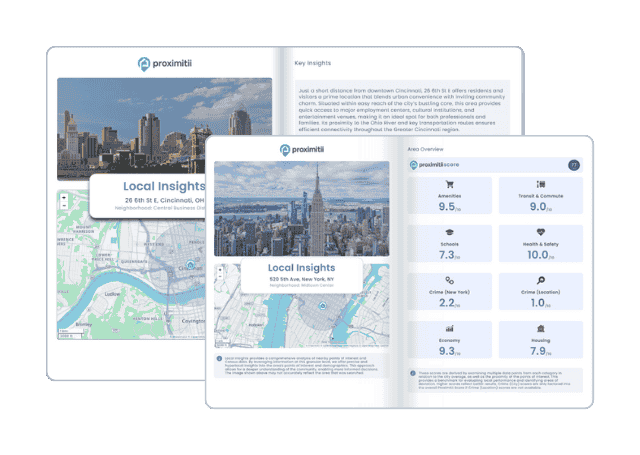
Why stop at city-to-city? With Local Insights, you can compare neighborhoods, zip codes, or even exact addresses. Access 300+ hyperlocal data points—from schools and crime to housing and amenities—to see which area is the better fit.

| Statistic | Gainesville | Georgia | National |
| Average one way commute | 23min | 28min | 26min |
| Workers who drive to work | 73.9% | 79.6% | 76.4% |
| Workers who carpool | 13.7% | 10.1% | 9.3% |
| Workers who take public transit | 1.6% | 2.1% | 5.1% |
| Workers who bicycle | 0.3% | 0.2% | 0.6% |
| Workers who walk | 2.6% | 1.6% | 2.8% |
| Working from home | 4.3% | 5.1% | 4.6% |

 Here are the best places to live in Georgia
 These are the 10 cheapest cities in Georgia
 Most Dangerous States In The US
 These are the largest cities in Georgia