

Chesapeake, VA, known as 'A Great Place to Live,' offers a unique blend of suburban tranquility and modern urban amenities. Located in southeastern Virginia, Chesapeake is a large city that serves as a major cultural and economic hub. Major nearby cities like Norfolk and Virginia Beach enhance its status as a central point in the region. Chesapeake's blend of scenic landscapes, cultural festivals, and urban amenities creates a distinctive living experience.
Chesapeake is home to several iconic landmarks, including the Chesapeake Arboretum, the historic Great Bridge Lock Park, and the scenic Northwest River Park. The city offers a variety of attractions, from the beautiful Oak Grove Lake Park to the bustling Greenbrier Mall, known for its shopping and dining. Chesapeake's dining scene is diverse, offering everything from Southern cuisine to international dishes.
Annual events such as the Chesapeake Jubilee and the Battle of Great Bridge reenactment highlight the city's vibrant cultural scene and provide unique entertainment opportunities for residents and visitors. These events celebrate Chesapeake's rich cultural heritage and community spirit. Prestigious institutions like Tidewater Community College contribute to the city's academic and cultural vibrancy, fostering a thriving intellectual community.
The arts and culture scene in Chesapeake is dynamic and diverse, with numerous theaters, music venues, and art galleries. The Chesapeake Fine Arts Commission and the Portlock Galleries at SoNo are just a few of the cultural landmarks that showcase the city's commitment to the arts. Living in Chesapeake provides ample opportunities to engage with art, music, and history, making it an exciting place to call home.
Chesapeake’s community is welcoming and diverse, creating a friendly environment for newcomers. The city is home to professional sports teams like the Norfolk Admirals (ECHL) and the Virginia Beach Neptunes (Baseball), providing plenty of excitement for sports fans. Major industries in Chesapeake include healthcare, education, and retail, with significant employers such as Chesapeake Regional Healthcare and Dollar Tree driving economic growth. The city has extensive public transit options, including buses and bike-sharing programs, making commuting convenient and accessible.
 Employment
The combination of higher than average median home income, income per capita and low unemployment rates results in a score that is well above average in the employment category.
 Housing
This area has received high scores in the housing category. This could be due to a positive home affordability ratio, high appreciation rates or elevated home values.
 Schools
High test scores, elevated graduation rates as well as the conveniently located elementary and high schools in this area have all contributed to the high score in the schools category.
 Ratings
Local residents have positive things to say about the proximity of restaurants, grocery stores, parks, public transit, friendliness of neighbors, sense of community and overall safety of the area.
 Amenities
A majority of amenities are not ideally situated within a reasonable walking distance, which may lead residents to rely on a vehicle or public transportation.
 Commute
Public transportation is not readily available in this area and the average commute time to work could also be longer than the national average.
 Health & Safety
Poor air quality and the inaccessibility of certain health related facilities like hospitals, clinics, doctors and pharmacies could have all contributed to the low score in this category.
Located in the state of Virginia, Chesapeake is a highly populated city with a population of 251,202 people. Long travel times to work can be one of the most frustrating things in the world - right behind housework! If you decide that living in Chesapeake is the right fit for you, your one way commute time will average 26 minutes, which is about average when compared to the national commute time of 26 minutes.
Living in Chesapeake can be a fulfilling experience for anyone relocating to the town. Having said that, in the state of Virginia, there are many incredible places to live, so choose wisely! When searching for a new neighborhood, several factors play a vital role in determining its suitability. Safety should be a top priority, ensuring a secure environment with low crime rates. Proximity to your workplace or school helps minimize commuting time and allows for a better work-life balance. Availability of essential amenities such as parks, coffee shops, restaurants, grocery stores, and healthcare facilities contributes to convenience and well-being. Access to reliable public transportation options facilitates easy commuting and connectivity. Additionally, considering the sense of community and the overall atmosphere that resonates with your lifestyle and preferences fosters a harmonious living experience. With useful information like amenities, crime, cost of living, education, employment and other key data points, finding the best places to live in Chesapeake and in the areas around Chesapeake is a much easier task.
Using data and statistics Chesapeake has received a livability score of 69/100. This score is ranked in the 73rd percentile when compared to all other cities. Based on the grades for each individual category, Chesapeake has received high marks for education (A), employment (A+) and housing (A+). There is at least one category that does not have great scores in Chesapeake. The following was graded with a disappointing score: amenities (F).
Test scores serve as a vital gauge of a school's academic prowess and the proficiency of its students. They play a pivotal role in assessing whether local schools can deliver a robust educational foundation for children. In Chesapeake, the schools boast an impressive average test score of 82%, significantly higher than the national average. This outstanding academic achievement not only reflects the excellence of the local educational system, but also indicates the potential for students to thrive academically, making it an attractive destination for families seeking a high-quality education for their children.
For home buyers, real estate will be the largest purchase they will ever make and it will also be their most valuable asset. For renters, the monthly rent paid on their Chesapeake apartments will most likely be their largest expense. Based on tangible metrics like home and rental affordability and appreciation rates, housing in this area has received a score that is well above the average of every other US city. A thriving real estate market can also generate strong local economic activity and job creation.
Being close to public transit, grocery stores, parks and other conveniences are all important when weighing your options for a new home in Chesapeake. Before you determine if any of these amenities are available in the area, you will also want to know if the real estate prices in Chesapeake are affordable. Median real estate prices in Chesapeake come in at $515,279, which is 18.5% higher than the Virginia average. The home price to income ratio compares the median home prices to the median household income. In Chesapeake, the home price to income ratio is 4.3, which is 4.4% lower than the Virginia average.
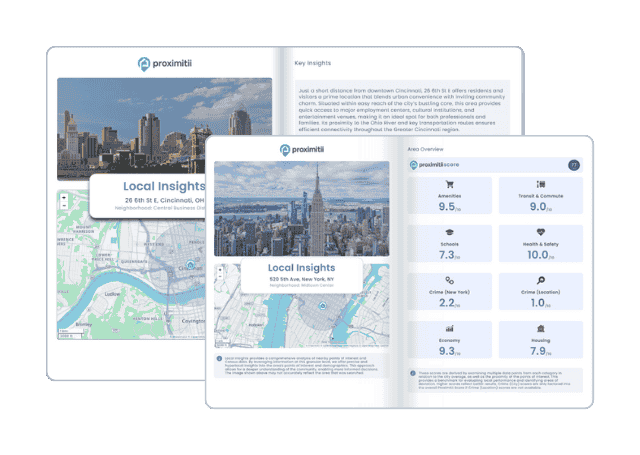
Why stop at city-to-city? With Local Insights, you can compare neighborhoods, zip codes, or even exact addresses. Access 300+ hyperlocal data points—from schools and crime to housing and amenities—to see which area is the better fit.

| Statistic | Chesapeake | Virginia | National |
| Average one way commute | 26min | 28min | 26min |
| Workers who drive to work | 82.2% | 77.4% | 76.4% |
| Workers who carpool | 8.7% | 9.5% | 9.3% |
| Workers who take public transit | 0.8% | 4.5% | 5.1% |
| Workers who bicycle | 0.1% | 0.4% | 0.6% |
| Workers who walk | 1.0% | 2.4% | 2.8% |
| Working from home | 5.7% | 4.7% | 4.6% |

 Here are the best places to live in Virginia
 Safest Cities In The US
 Safest States In The US
 Check out the 10 most dangerous cities in Virginia