

 Amenities
Within the vicinity, you'll find a wealth of amenities, from restaurants and coffee shops to grocery stores and local shops, all easily accessible on foot.
 Commute
High scores in the commute category could indicate that this area offers short commute times to work and readily available public transportation options.
 Cost Of Living
Residents in this area benefit from an affordable cost of living. This includes goods and services, transportation, housing, utilities, groceries and healthcare.
 Housing
The housing category in this area boasts higher than average scores, likely influenced by a positive home affordability ratio, robust appreciation rates or elevated home values.
 Health & Safety
Earning a high health and safety score depends on factors such as good air quality and the availability of essential health facilities like hospitals, clinics, doctors, and fire stations.
 Crime
Crime
High crime rates per 100,000 people are reported in this area, potentially indicating that it is an unsafe place to live. These statistics consider both violent and property offenses.
 Ratings
Polls and surveys done by AreaVibes among area residents did not yield positive feedback when it came to the walkability of amenities, safety, nearby parks and the overall sense of community.
Located in the state of Missouri, Kansas City is a big city with a population of 501,302 people. Kansas City is not known to have a high population (over 15 years old) of married people. At only 46% married, this city falls well below the national average.
Living in Kansas City can be a positive experience for anyone moving to the area. Having said that, in the state of Missouri, there are many amazing places to live, so choose wisely! When searching for a new neighborhood, several factors play a vital role in determining its suitability. Safety should be a top priority, ensuring a secure environment with low crime rates. Proximity to your workplace or school helps minimize commuting time and allows for a better work-life balance. Availability of essential amenities such as parks, coffee shops, restaurants, grocery stores, and healthcare facilities contributes to convenience and well-being. Access to reliable public transportation options facilitates easy commuting and connectivity. Additionally, considering the sense of community and the overall atmosphere that resonates with your lifestyle and preferences fosters a harmonious living experience. With useful information like cost of living, education, employment, housing and other key data points, finding the best places to live in Kansas City and in the areas around Kansas City is a much easier task.
Using data and statistics Kansas City has received a livability score of 78 out of 100. This score is ranked in the 91st percentile when compared to all other cities. This is a great score, as Kansas City ranks well in multiple categories! The cherry on top is that Kansas City also ranks in the top 10 percent of all cities. If we probe a little deeper into each category within the livability score, we see that Kansas City has higher than average rankings for the following: cost of living (A+) and housing (A+). On a more negative note, Kansas City does not have favorable ranks for the following: crime (F). If we take a look at the data, we can find out why.
Kansas City has many conveniently situated amenities and captivating attractions that adds to the continuous enjoyment of your everyday life. Having the assurance of abundant conveniences and a wide array of activities ensures your easy access to nearby grocery stores, restaurants, bars, fitness facilities, coffee shops and exciting entertainment options. This not only simplifies daily routines but also fosters a vibrant and dynamic lifestyle within the community. With a wealth of resources at your fingertips, you can savor the convenience and variety that Kansas City has to offer, making it a desirable destination for those seeking both accessibility and enjoyment in their daily lives. Here are some of the more popular things to do in Kansas City: National World War I Museum, Country Club Plaza, and Country Club Plaza.
A healthy real estate market serves as a key economic indicator. It could signify overall local economic strength, stability and reflects consumer confidence in the area. Based on multiple factors including: median home and rental prices, appreciation rates and home affordability, Kansas City has received high marks in the housing category. Based on these calculations, the apartment rental and real estate market appears to be very healthy.
Certain items on your wish list like shopping, restaurants, nightlife, parks and proximity to public transportation are all important things to look for. Having said that, perhaps the most important metric to consider when contemplating a move to Kansas City is real estate affordability. Median real estate prices in Kansas City come in at $297,254, which is 19.1% higher than the Missouri average. The home price to income ratio compares the median home prices to the median household income. In Kansas City, the home price to income ratio is 3.6, which is 5.9% higher than the Missouri average.
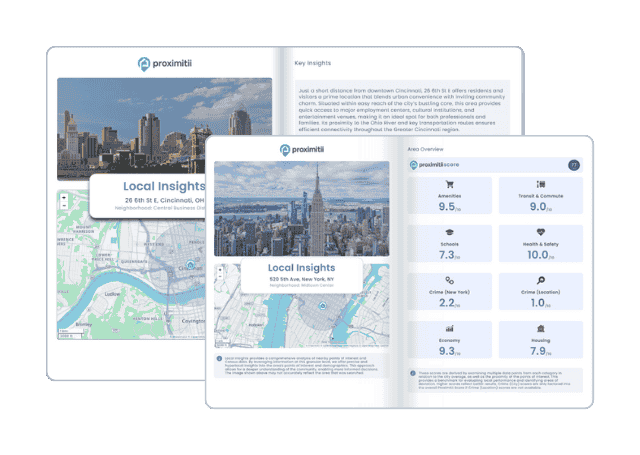
Why stop at city-to-city? With Local Insights, you can compare neighborhoods, zip codes, or even exact addresses. Access 300+ hyperlocal data points—from schools and crime to housing and amenities—to see which area is the better fit.

| Statistic | Kansas City | Missouri | National |
| Average one way commute | 22min | 23min | 26min |
| Workers who drive to work | 79.9% | 81.6% | 76.4% |
| Workers who carpool | 7.5% | 9.1% | 9.3% |
| Workers who take public transit | 2.6% | 1.5% | 5.1% |
| Workers who bicycle | 0.2% | 0.3% | 0.6% |
| Workers who walk | 1.8% | 1.9% | 2.8% |
| Working from home | 6.7% | 4.6% | 4.6% |

 Here are the best places to live in Missouri
 See the best places to live in Kansas City
 These are the 10 cheapest cities in Missouri
 Check out the 10 safest cities in Missouri