

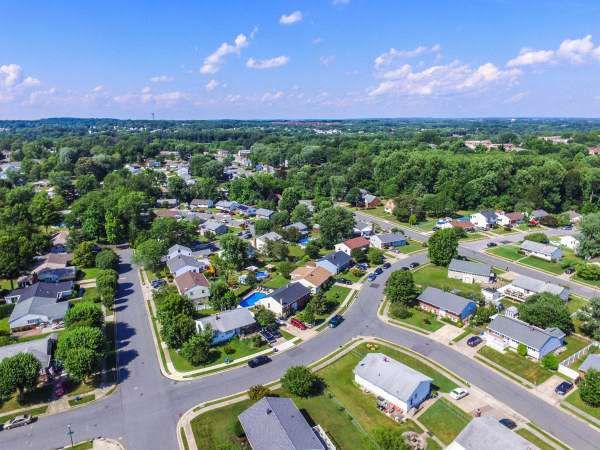
Located in the state of Maryland, St. James is a small-sized city with a population of 3,676 inhabitants. At 74%, the majority of the St. James population is White; this is followed by 17% Black and 3% Asian. Long, unnecessary commutes can be both frustrating and inconvenient when heading to work. Nationwide, the average one-way commute time takes 26 minutes, but regrettably, residing in St. James entails a longer-than-average one-way commute time, averaging 41 minutes.
Are you trying to figure out if living in St. James is the right fit for your lifestyle? To ensure a positive experience before moving to any new city in Maryland, you will probably want to make sure that you check all of the most important boxes. Several key factors deserve attention. For one, safety is paramount, ensuring that your new area is low in crime is key. Proximity to workplaces or schools minimizes commute times and fosters convenience. Access to essential amenities like parks, grocery stores, food, fitness, shops and healthcare facilities enhances daily life. Efficient public transportation options provide mobility and connectivity. The sense of community creates a welcoming and supportive environment. Lastly, the overall atmosphere, encompassing the vibe, aesthetics, and lifestyle offerings, contributes to a fulfilling living experience. Considering these elements helps identify the ideal neighborhood for your needs and preferences. Finding the best places to live in St. James and nearby areas is a much easier task when you can rely on information and data from the livability score, which includes amenities, crime, housing and other important metrics.
Using data and statistics St. James has received a livability score of 62 out of 100. This score is ranked in the 48th percentile when compared to all other cities. For each of the livability categories, we see that St. James ranks very well for crime (A-), employment (A+) and housing (A+). There is at least one category that did not score well in St. James. The following was graded with a less than perfect score: amenities (F) and education (D).
When contemplating a move, job prospects often top the list of priorities. In St. James, the outlook for new employment is notably brighter than in many other areas. The low unemployment rate of 0% points to a surge in job opportunities, the potential for higher wages, enhanced workforce productivity and increased economic growth. These favorable conditions bode well for individuals seeking career advancement and financial stability, making this area an appealing destination for those prioritizing professional opportunities and economic prosperity.
A healthy real estate market serves as a key economic indicator. It could signify overall local economic strength, stability and reflects consumer confidence in the area. Based on multiple factors including: median home and rental prices, appreciation rates and home affordability, St. James has received high marks in the housing category. Based on these calculations, the apartment rental and real estate market appears to be very healthy.
Being close to public transit, grocery stores, parks and other conveniences are all important when weighing your options for a new home in St. James. Before you determine if any of these amenities are available in the area, you will also want to know if the real estate prices in St. James are affordable. The median home price for St. James homes is $499,626, which is 3.5% lower than the Maryland average. If we take a closer look at the affordability of homes in St. James, we’ll see that the home price to income ratio is 4.1, which is 10.9% lower than the Maryland average.

| Statistic | St. James | Maryland | National |
| Average one way commute | 41min | 32min | 26min |
| Workers who drive to work | 81.7% | 73.7% | 76.4% |
| Workers who carpool | 7.0% | 9.3% | 9.3% |
| Workers who take public transit | 1.4% | 8.9% | 5.1% |
| Workers who bicycle | 0.0% | 0.3% | 0.6% |
| Workers who walk | 0.9% | 2.4% | 2.8% |
| Working from home | 9.0% | 4.4% | 4.6% |

 Here are the best places to live in Maryland
 Check out the 10 safest cities in Maryland
 These are the largest cities in Maryland
 These are the 10 cheapest cities in Maryland