

 Cost Of Living
Everyday cost of living expenses like goods and services, housing, groceries, transportation, health care and utilities are far below the national average.
 Housing
Impressive scores in the housing category characterize this area, potentially attributed to the availability of affordable housing, strong appreciation rates and high home values.
 Ratings
According to recent surveys and polls, locals had excellent ratings for walkability to nearby amenities, safety, access to public transit and the overall sense of community in the area.
 Amenities
The majority of amenities will be difficult to reach within a short walk, often requiring residents to use a vehicle or public transportation for access.
 Commute
Low commute scores could be due to limited access to public transit in this area, as well as longer-than-average work commute times for residents.
 Health & Safety
Subpar air quality and the limited availability of certain health-related facilities such as hospitals, police stations, doctors and pharmacies may have contributed to the low score in this category.
Smiths Station is a smaller city located in the state of Alabama. The city has a population of 5,821 inhabitants. The average American spends about 26 minutes on their one way commute to work each day. Lower travel times can increase overall happiness and allow for more time to be spent with family and friends. While living in Smiths Station, your commute times will be about average, with a one way commute time of 25 minutes.
Whether you’re moving to a new city to be closer to family, friends or for a new job, living in Smiths Station could be a positive experience compared to other cities in Alabama if you know where to look. Don't forget to determine what matters most to you in a neighborhood. Consider factors such as safety, proximity to work or school, access to amenities (like parks, fitness facilities, grocery stores, restaurants), public transportation options, community atmosphere and the overall vibe you're looking for. Using the livability score which includes data from categories like amenities, commute, health & safety, education, employment, you can easily compare the best places to live in Smiths Station and also determine if there are any nearby cities that might be a better match for your lifestyle. You can also compare Smiths Station to Alabama and the national average.
With a livability score of 60/100, Smiths Station is ranked #17,300 in the United States and #195 in Alabama. This is a lower than the US average livability score as Smiths Station does not rank well for most categories. If we dig down a little deeper into each category within the livability score, we see that Smiths Station has higher than average rankings for the following: cost of living (A-) and housing (A-). There is at least one category that did not score well in Smiths Station. The following was graded with a discouraging score: amenities (F), education (D) and employment (D-).
A robust real estate market serves as a crucial economic indicator, reflecting the local area's strength, stability and the confidence of its residents. Smiths Station excels in the housing sector, scoring high marks based on factors such as median home and rental prices, appreciation rates and home affordability. These calculations suggest that the apartment rental and real estate market in the region is exceptionally healthy, highlighting the area's economic vitality and attractiveness to potential homebuyers and renters.
Smiths Station real estate prices and overall affordability will play a huge role in determining if the area is the right fit for you. Of course there are probably some other items on your “wish list”, but even before they are considered, let’s take a look at the home prices and affordability in Smiths Station. Median real estate prices in Smiths Station come in at $156,800, which is 22% higher than the Alabama average. The home price to income ratio compares the median home prices to the median household income. In Smiths Station, the home price to income ratio is 3.2, which is 10.3% higher than the Alabama average.
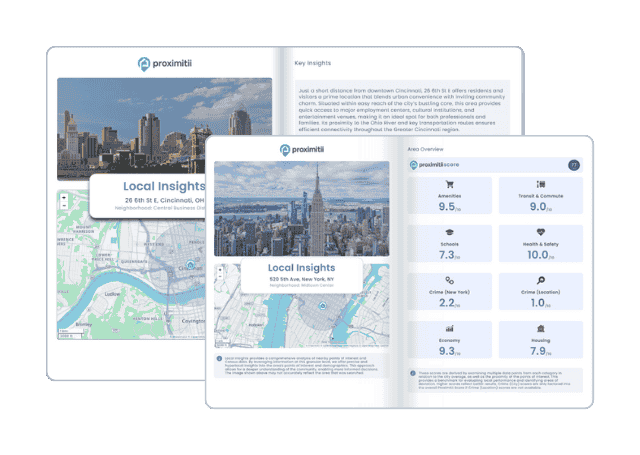
Why stop at city-to-city? With Local Insights, you can compare neighborhoods, zip codes, or even exact addresses. Access 300+ hyperlocal data points—from schools and crime to housing and amenities—to see which area is the better fit.

| Statistic | Smiths Station | Alabama | National |
| Average one way commute | 25min | 25min | 26min |
| Workers who drive to work | 93.9% | 85.7% | 76.4% |
| Workers who carpool | 3.6% | 8.8% | 9.3% |
| Workers who take public transit | 0.0% | 0.4% | 5.1% |
| Workers who bicycle | 0.0% | 0.1% | 0.6% |
| Workers who walk | 0.0% | 1.1% | 2.8% |
| Working from home | 1.0% | 2.9% | 4.6% |

 Here are the best places to live in Alabama
 See the best places to live in Smiths Station
 Most Dangerous Cities In The US
 Check out the 10 safest cities in Alabama