

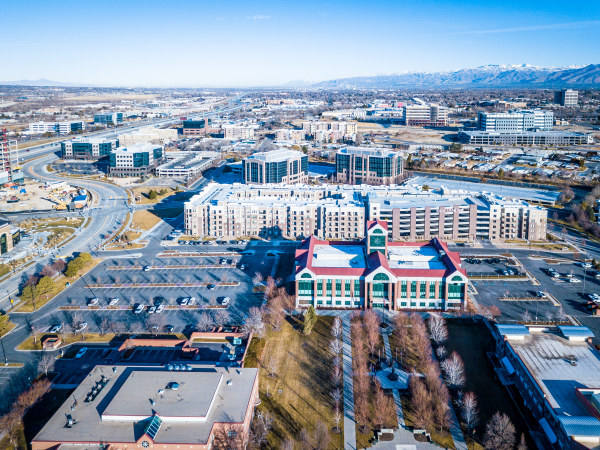
Sandy, UT, known as 'The Heart of the Wasatch,' offers a unique blend of suburban tranquility and modern urban amenities. Located in Salt Lake County, Sandy is a large city that serves as a major cultural and economic hub. Major nearby cities like Salt Lake City (13 miles) and West Jordan (8 miles) enhance its status as a central point in the region. Sandy's blend of scenic landscapes, cultural festivals, and urban amenities creates a distinctive living experience.
Sandy is home to several iconic landmarks, including the Rio Tinto Stadium, the historic Sandy Amphitheater, and the scenic Dimple Dell Regional Park. The city offers a variety of attractions, from the beautiful Alta Canyon Sports Center to the bustling South Towne Center, known for its shopping and dining. Sandy's dining scene is diverse, offering everything from Utah cuisine to international dishes.
Annual events such as the Sandy Balloon Festival and the Sandy Heritage Festival highlight the city's vibrant cultural scene and provide unique entertainment opportunities for residents and visitors. These events celebrate Sandy's rich cultural heritage and community spirit. Prestigious institutions like the University of Utah contribute to the city's academic and cultural vibrancy, fostering a thriving intellectual community.
The arts and culture scene in Sandy is dynamic and diverse, with numerous theaters, music venues, and art galleries. The Hale Centre Theatre and the Sandy Arts Guild are just a few of the cultural landmarks that showcase the city's commitment to the arts. Living in Sandy provides ample opportunities to engage with art, music, and history, making it an exciting place to call home.
Sandy’s community is welcoming and diverse, creating a friendly environment for newcomers. The city is home to professional sports teams like Real Salt Lake (MLS) and the Utah Jazz (NBA) in nearby Salt Lake City, providing plenty of excitement for sports fans. Major industries in Sandy include healthcare, education, and technology, with significant employers such as Intermountain Healthcare and the Canyons School District driving economic growth. The city has extensive public transit options, includ...
Sandy is a medium-sized city located in the state of Utah. The city has a population of 98,208 inhabitants. In Sandy, there are 4,130 people per square mile, which is well above the national population density average. If we look at the most recent Census, Sandy is known to have a predominantly White population. The next two most common races are Asian and Black. Long travel times to work can be one of the most frustrating things in the world - right behind housework! If you decide that living in Sandy is the right fit for you, your one way commute time will average 23 minutes, which is about average when compared to the national commute time of 26 minutes.
Are you trying to decide if living in Sandy is the right fit for your lifestyle? To ensure a positive experience before moving to any new city in Utah, you will probably want to make sure that you check all of the most important boxes. Several key factors deserve attention. For one, safety is paramount, ensuring that your new area is low in crime is key. Proximity to workplaces or schools minimizes commute times and fosters convenience. Access to essential amenities like parks, grocery stores, food, fitness, shops and healthcare facilities enhances daily life. Efficient public transportation options provide mobility and connectivity. The sense of community creates a welcoming and supportive environment. Lastly, the overall atmosphere, encompassing the vibe, aesthetics, and lifestyle offerings, contributes to a fulfilling living experience. Considering these elements helps identify the ideal neighborhood for your needs and preferences. Using the livability score which includes data from categories like amenities, crime, health & safety, education, housing, you can easily compare the best places to live in Sandy and also determine if there are any nearby cities that might be a better match for your lifestyle. You can also compare Sandy to Utah and the national average.
With a livability score of 82 out of 100, Sandy is ranked #900 in the United States and #27 in Utah. Clearly, Sandy is doing something right, as this score ranks well above the average of most cities. Sandy is also ranked in the top 10 percentile of all cities across the USA. If we dig a little deeper into each category within the livability score, we see that Sandy has higher than average rankings for the following: crime (B+), education (A) and housing (A+). Sandy does not fare well for the following: amenities (F) and cost of living (F). It might be a smart idea to take a closer look at each category to find out why.
When contemplating a move, job prospects often top the list of priorities. In Sandy, the outlook for new employment is notably brighter than in many other areas. The low unemployment rate of 1.8% points to a surge in job opportunities, the potential for higher wages, enhanced workforce productivity and increased economic growth. These favorable conditions bode well for individuals seeking career advancement and financial stability, making this area an appealing destination for those prioritizing professional opportunities and economic prosperity.
Finding affordable real estate and housing in Sandy can be tricky. Having said that, this area might be the place to get the best of both worlds. Based on factors like home/rental affordability and appreciation rates, this area has received an above average score in the housing category. A healthy real estate market can lead to wealth appreciation for property owners, as rising property values can contribute to homeowners' equity, financial stability and the ability to build long-term wealth.
There are many factors that go into deciding if an area is the right fit for your lifestyle. Certain “must haves” like low crime, great schools and nearby amenities are all at the top of most people's lists. But before even considering if those options are attainable, we'll need to know if the real estate in Sandy is actually affordable. Median real estate prices in Sandy come in at $684,761, which is 73.3% higher than the Utah average. The home price to income ratio compares the median home prices to the median household income. In Sandy, the home price to income ratio is 4.9, which is 14% higher than the Utah average.

| Statistic | Sandy | Utah | National |
| Average one way commute | 23min | 22min | 26min |
| Workers who drive to work | 73.7% | 75.9% | 76.4% |
| Workers who carpool | 10.5% | 11.6% | 9.3% |
| Workers who take public transit | 2.6% | 2.6% | 5.1% |
| Workers who bicycle | 0.3% | 0.8% | 0.6% |
| Workers who walk | 1.4% | 2.6% | 2.8% |
| Working from home | 10.8% | 5.4% | 4.6% |

 Here are the best places to live in Utah
 Safest States In The US
 See the best places to live in Sandy
 Check out the 10 safest cities in Utah