

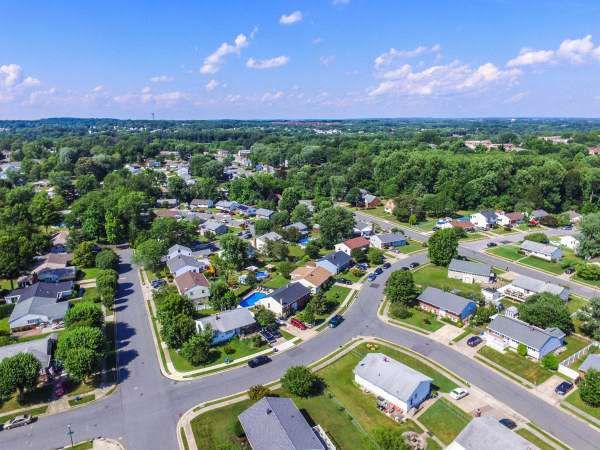
Redland, Maryland is a moderately-sized city with a population of 18,022 people. More than a quarter of the residents of Redland identify themselves as Hispanic or Latino, and 31% of the population speak Spanish as their primary or secondary language. Long, unnecessary commutes can be both frustrating and inconvenient when heading to work. Nationwide, the average one-way commute time takes 26 minutes, but regrettably, residing in Redland entails a longer-than-average one-way commute time, averaging 36 minutes.
Without the right tools, moving to any new area can be very stressful and challenging. Living in Redland, Maryland could be a fulfilling experience for anyone who puts in the time to do the research required. When searching for a new neighborhood, several key items should be considered. Safety is paramount, ensuring a secure environment for you and your family. Proximity to workplaces or schools reduces commuting time and enhances convenience. Access to amenities like parks, grocery stores and healthcare facilities contributes to a comfortable lifestyle. Reliable public transportation options promote easy mobility. A strong sense of community fosters social connections and a welcoming atmosphere. Using the livability score which includes data from categories like crime, cost of living, education, you can easily compare the best places to live in Redland and also determine if there are any nearby cities that might be a better match for your lifestyle. You can also compare Redland to Maryland and the national average.
With a livability score of 63/100, Redland is ranked #14,179 in the United States and #276 in Maryland. Based on the grades for each individual category, Redland has been rewarded with high marks for crime (B-) and housing (A+). Redland does not score well for the following: amenities (F) and cost of living (F). It might be a good idea to take a closer look at each category to find out why.
The unemployment rate in Redland has consistently declined over the years and currently stands well below the national average at 2.2%. This downward trend holds the potential to reduce poverty and inequality within the region, promote higher wage levels and stimulate greater economic growth. Such positive indicators signal the overall robust health of the local economy, offering a promising outlook for its residents and fostering an environment of financial well-being and prosperity.
A robust real estate market serves as a crucial economic indicator, reflecting the local area's strength, stability and the confidence of its residents. Redland excels in the housing sector, scoring high marks based on factors such as median home and rental prices, appreciation rates and home affordability. These calculations suggest that the apartment rental and real estate market in the region is exceptionally healthy, highlighting the area's economic vitality and attractiveness to potential homebuyers and renters.
There are many factors that go into deciding if an area is the right fit for your lifestyle. Certain “must haves” like low crime, great schools and nearby amenities are all at the top of most people's lists. But before even considering if those options are attainable, we'll need to know if the real estate in Redland is actually affordable. Median real estate prices in Redland come in at $763,783, which is 47.6% higher than the Maryland average. The home price to income ratio compares the median home prices to the median household income. In Redland, the home price to income ratio is 4.2, which is 8.7% lower than the Maryland average.

| Statistic | Redland | Maryland | National |
| Average one way commute | 36min | 32min | 26min |
| Workers who drive to work | 66.8% | 73.7% | 76.4% |
| Workers who carpool | 13.0% | 9.3% | 9.3% |
| Workers who take public transit | 11.3% | 8.9% | 5.1% |
| Workers who bicycle | 0.2% | 0.3% | 0.6% |
| Workers who walk | 0.8% | 2.4% | 2.8% |
| Working from home | 7.6% | 4.4% | 4.6% |

 Here are the best places to live in Maryland
 These are the 10 cheapest cities in Maryland
 Most Dangerous Cities In The US
 Check out the 10 most dangerous cities in Maryland