

Mountain Brook is a moderately-sized city located in the state of Alabama. The city has a population of 20,597 inhabitants. If we look at the most recent Census, Mountain Brook is known to have a predominantly White population. The next two most common races are Asian and Black. If finding a family friendly city is important to you, look no further. With more than 74% of the population considered married and 51% with kids under the age of 18, Mountain Brook could be considered a very suitable city for families. Not a fan of sitting in traffic during your commute to work? Mountain Brook offers shorter work commutes, with an average one-way commute time taking only 17 minutes, far lower than the national average of 26 minutes.
Whether you’re moving to a new city to be closer to family, friends or for a new job, living in Mountain Brook could be a positive experience compared to other cities in Alabama if you know where to look. Don't forget to determine what matters most to you in a neighborhood. Consider factors such as safety, proximity to work or school, access to amenities (like parks, fitness facilities, grocery stores, restaurants), public transportation options, community atmosphere and the overall vibe you're looking for. With useful information like crime, commute, education and other key data points, finding the best places to live in Mountain Brook and in the areas around Mountain Brook is a much easier task.
The livability score in Mountain Brook is 64/100 and the city is ranked in the 55th percentile of all cities across America. There are nine total categories that generate the livability score. Mountain Brook scores well for crime (A+), education (A+) and housing (A+) On a less positive note, Mountain Brook does not have favorable scores for the following: amenities (F) and cost of living (F). If we take a look at the data, we can find out why.
Crime rates play a pivotal role in the decision-making process for anyone considering a move, as they directly influence the overall sense of safety, security and quality of life in a given location. Mountain Brook shines in this regard, earning exemplary ratings for its exceptionally low violent crime rates, standing at 65 crimes per 100,000 residents. These rates are notably below the national average, underscoring the community's commitment to safety and contributing to an enhanced quality of life.
Unemployment rates can range pretty dramatically from one city to another. Knowing that Mountain Brook has an unemployment rate of 0.7% could mean increased job opportunities with a higher demand for workers. It could also lead to higher wages, as the demand for workers exceeds the availability of jobs. Most importantly, it could be a sign of a healthy and thriving local economy.
Test scores can be a good way to measure a school's academic performance and the proficiency of its students. They can be an important metric in deciding if the local area schools can provide a solid educational system for children. The schools in Mountain Brook have an average test score of 86%, which is well above the US average.
Real estate represents the most substantial investment for homebuyers, constituting their most valuable asset. Renters, on the other hand, typically see their monthly rent as their most significant expense. The Mountain Brook market earns a high score in the housing category, surpassing the national average in factors like home and rental affordability and appreciation rates. This robust real estate market not only benefits individual homeowners and renters but also spurs vigorous local economic activity and job growth, solidifying its significance in driving the region's prosperity and financial well-being.
Certain items on your wish list like shopping, restaurants, nightlife, parks and proximity to public transportation are all important things to look for. Having said that, perhaps the most important metric to consider when contemplating a move to Mountain Brook is real estate affordability. The median home price for Mountain Brook homes is $1,216,871, which is 416.6% higher than the Alabama average. If we take a closer look at the affordability of homes in Mountain Brook, we’ll see that the home price to income ratio is 5.4, which is 50% higher than the Alabama average.

| Statistic | Mountain Brook | Alabama | National |
| Average one way commute | 17min | 25min | 26min |
| Workers who drive to work | 83.5% | 85.7% | 76.4% |
| Workers who carpool | 3.5% | 8.8% | 9.3% |
| Workers who take public transit | 0.0% | 0.4% | 5.1% |
| Workers who bicycle | 0.0% | 0.1% | 0.6% |
| Workers who walk | 1.0% | 1.1% | 2.8% |
| Working from home | 12.1% | 2.9% | 4.6% |

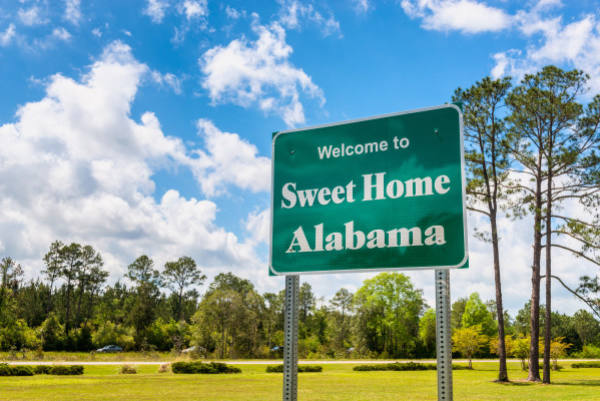 Here are the best places to live in Alabama
 Most Dangerous States In The US
 Safest Cities In The US
 Most Dangerous Cities In The US