
| Statistic | Marlboro Village | Maryland | National |
| Population | 9,834 | 6,178,543 | 336,919,644 |
| Population density (sq mi) | 2,557 | 636 | 91 |
| Median age | 36.5 | 38.3 | 37.7 |
| Male/Female ratio | 1.2:1 | 0.9:1 | 1.0:1 |
| Married (15yrs & older) | 40% | 54% | 55% |
| Families w/ Kids under 18 | 38% | 44% | 43% |
| Speak English | 93% | 82% | 79% |
| Speak Spanish | 2% | 7% | 13% |

The demographics of Marlboro Village offer invaluable insights into the composition, dynamics and needs of both urban and rural areas, empowering planners, developers and policymakers to foster prosperity, equity, and well-being for all residents. With a population of 9,834, Marlboro Village exhibits a population density of 2,557 people per square mile, contrasting with the national average of 91. The median age stands at 36.5, with 40% of individuals aged 15 or older being married and 38% having children under 18. In terms of income equality in Marlboro Village, 2% of households report a median income below $25,000, while 40% report an income exceeding $150,000, showcasing a diverse economic landscape.
The Marlboro Village racial demographics and ethnicity breakdown could be indispensable tools for recognizing and rectifying systemic inequities, fostering social justice and inclusion and cultivating resilient communities. In Marlboro Village, the racial breakdown reveals 9% White, 86.6% Black or African American, 0.1% Asian, 0.7% American Indian and 0% Native Hawaiian, with 2.1% of the population identifying as Hispanic or Latino. Of all households, 93.1% reported speaking English only, while 2.1% reported speaking Spanish only. Moreover, 8.6% of residents were classified as foreign-born.
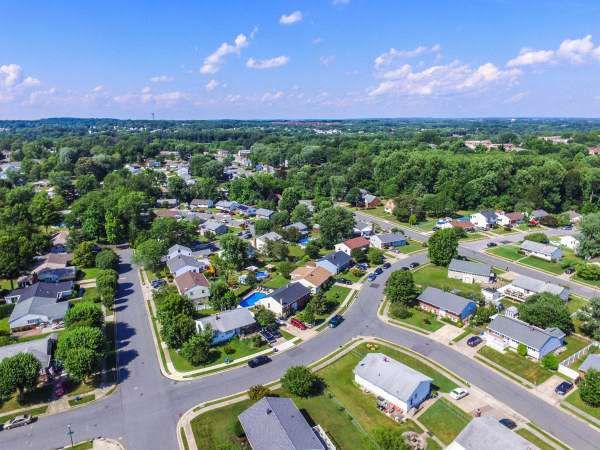
Areas with a high population density tend to support a wide range of amenities and services within walking distance or a short commute. Residents tend to have convenient access to healthcare facilities, educational institutions, cultural venues, restaurants, shops and public transportation options, enhancing their quality of life and overall well-being. The Marlboro Village population density is 2,557 people per square mile, which is well-above the national average of 91 and is considered one of the most densely populated cities in the country.
Policy Planning: Demographic data and statistics serve as vital tools for informing policy and decision-making processes across various levels of government, as well as within organizations and businesses. Through the reporting and analysis of demographic data, policymakers, government officials, and organizational leaders can pinpoint areas of need, allocate resources efficiently, and craft tailored policies and programs to address the unique needs and priorities of different demographic groups. The utilization of demographic data in Marlboro Village is instrumental in policy planning, facilitating resource allocation, evidence-based decision-making, priority identification, trend forecasting, policy impact assessment, and the promotion of equity and inclusion. By harnessing this data effectively, policymakers can devise targeted, impactful, and inclusive policies that cater to the diverse needs of communities.
Understanding Populations: Analyzing and interpreting the Marlboro Village demographic data provides us with valuable insights into the characteristics and composition of populations, encompassing age, gender, race, ethnicity, income, education and other socio-economic variables. This understanding is crucial for addressing the diverse needs, preferences and challenges encountered by various demographic groups within communities. Demographics play a crucial role in understanding populations, informing decision-making processes, and advancing equity, inclusion, and overall well-being for all individuals and communities. The Marlboro Village population and demographic data serves as a foundation for addressing social, economic and environmental challenges, while also nurturing the well-being and resilience of societies.
Urban Development: Marlboro Village demographic statistics are invaluable for urban planners in designing and developing areas that cater to residents' needs, encompassing housing, transportation, and public services, all while fostering sustainability and enhancing quality of life. Shifts in demographics can influence gentrification and neighborhood transformation, whether in urban or rural settings. As neighborhoods attract new residents with varying income levels and lifestyle preferences, property values may increase, potentially displacing long-term residents and altering the neighborhood's character. Analyzing population density, age distribution, household size, and income levels is crucial for guiding decisions regarding zoning, transportation infrastructure, housing expansion and public amenities. Utilizing Marlboro Village demographic data in planning and executing affordable housing initiatives can serve as a preventive measure against displacement.
| Race | Marlboro Village | Maryland | National |
| White | 8.97% | 57.19% | 73.35% |
| Black | 86.64% | 29.63% | 12.63% |
| Asian | 0.13% | 6.08% | 5.22% |
| American Indian | 0.74% | 0.27% | 0.82% |
| Native Hawaiian | 0.00% | 0.05% | 0.18% |
| Mixed race | 2.40% | 3.12% | 3.06% |
| Other race | 1.13% | 3.67% | 4.75% |


 Here are the best places to live in Maryland
 These are the largest cities in Maryland
 Most Dangerous Cities In The US
 Most Dangerous States In The US