
| Statistic | Reportedincidents | /100k people | Manhattan/100k people | Illinois/100k people | National/100k people |
| Total crime | 25 | n/a (estimate) | 229 | 2,004 | 2,119 |
| Murder | 0 | n/a | 0.0 | 5.8 | 5.0 |
| Rape | 1 | n/a | 9.2 | 46.9 | 37.5 |
| Robbery | 0 | n/a | 0.0 | 90.2 | 60.6 |
| Assault | 3 | n/a | 27.5 | 146.3 | 256.1 |
| Violent crime | 4 | n/a (estimate) | 37 | 289 | 359 |
| Burglary | 2 | n/a | 18.3 | 290.5 | 229.2 |
| Theft | 18 | n/a | 165.0 | 1,134.4 | 1,272.1 |
| Vehicle theft | 1 | n/a | 9.2 | 290.4 | 258.8 |
| Property crime | 21 | n/a (estimate) | 192 | 1,715 | 1,760 |
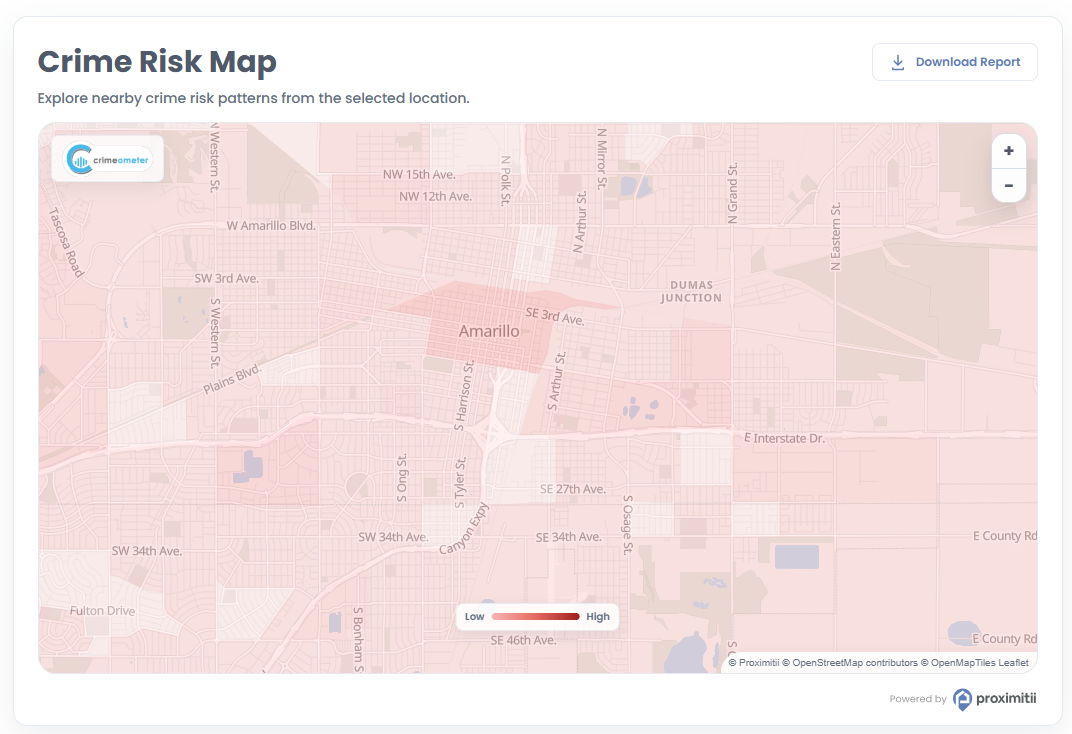
Crime can be categorized into two primary types: violent and property crimes. Violent crimes encompass offenses such as murder, rape, robbery, and assault, whereas property crimes involve acts like burglary, theft, and vehicle theft. The overall crime rate in Manhattan is 89.2% lower than the national average. Specifically, there were 4 violent crimes reported in Manhattan, equivalent to 37 per 100,000 residents, which is lower than the national average by 89.8%. Additionally, Manhattan recorded 21 property crimes, amounting to 192 per 100,000 people, lower than the national average by 89.1%.
Manhattan enjoys a remarkably low crime rate, standing at just 229, a significant contrast to the national average of 2119. This distinction firmly establishes Manhattan as one of the safest places to reside in the entire United States. This crime rate is meticulously calculated, taking into account the total occurrences of both violent and property crimes per 100,000 individuals, providing a comprehensive perspective on the area's safety and livability.
Manhattan distinguishes itself with one of the lowest violent crime rates in the U.S., reporting a mere 37 violent crimes per 100,000 people. This achievement firmly establishes Manhattan among the safest cities in the nation, rendering it an alluring choice for those seeking a new place to call home.
In a remarkable testament to the city's commitment to safety, Manhattan reported a murder rate of 0. This could indicate that it is a very safe place to live, but also serves as an inspiration to other urban areas striving for safer communities. Examining the full crime report will provide a complete overview of all crimes - violent and property.
The property crime rates per 100,000 individuals have shown a steady decrease of more than 50% since 1990, with a slight uptick in recent years. The most recent crime data reveals that Manhattan records a property crime rate of 192 incidents per 100,000 people, significantly lower than the national average of 1760. This underscores Manhattan as an exceptionally secure and attractive residential destination, highlighting its unwavering dedication to fostering safety and community well-being.
AreaVibes surveyed 12 local residents in Manhattan to gauge the safety of the area. Based on the results, 75% of people answered that there was very little crime in Manhattan and that they felt very comfortable walking alone at night. Another 25% of people responded that there was far too much crime and they would be hesitant to walk the streets alone at night. Keep in mind that the opinions of residents may vary depending on which area they live in.
Determining whether Manhattan is a place to live may not always yield a simple answer, given the city's varying safety levels across different areas. Nonetheless, comprehending the city's overall crime rate can be a valuable asset. In broad terms, Manhattan has an overall crime rate that is 89% lower than the national average. When we take a look at crime on a daily basis, this translates into 0.07 daily occurrences, comprising 0.01 violent crimes and 0.06 property crimes. Scrutinizing these statistics provides a foundation for a more informed assessment of the suitability of Manhattan as a potential place to establish residency.
Year-over-year crime data allows us to analyze short-term trends in crime activity. By comparing crime rates from one year to the next, we can identify patterns and shifts in Manhattan crime rates. This information can be invaluable for residents looking to make informed decisions on where to live. When comparing the most recent year to the previous year, total crime in Manhattan has decreased by 41.9% year over year. Violent crime has increased by 300% and property crime has decreased by 50%.
The impact of law enforcement and community policing efforts plays a crucial role in shaping crime rates in any city. A robust and cooperative bond between law enforcement and the community can serve as a deterrent to criminal activities, enhancing overall safety. In Manhattan, the ratio of police officers and civilians per 1,000 residents stands at 1.41, differing from the national average of 3.25. Effective law enforcement hinges not solely on officer numbers but also on the manner in which they interact and collaborate with the community. Building trust and cooperation are central tenets of community policing, amplifying its influence on crime prevention.
In cities grappling with housing affordability challenges, crime can emerge as a prominent issue. Certain individuals and families may find themselves needing to reside in cramped or subpar housing conditions, elevating stress levels and potentially fueling domestic conflicts and associated criminal incidents. Manhattan has a median home price of $453,384, deviating from the national average of $326,622. Large disparities in housing costs can significantly impact the well-being of residents and the prevalence of crime within the community.
High rental costs can limit economic mobility, making it difficult for individuals to save money, invest in education, or access better job opportunities. This can perpetuate a cycle of poverty and increase the risk of involvement in criminal activities. In summary, high rental costs can create economic challenges, overcrowding, and neighborhood dynamics that may increase the likelihood of certain types of crime, particularly property crimes. In Manhattan, the average rental rates are $1,605 per month, compared to the national average of $1,444.

| Item | Manhattan | Illinois | National |
| Law enforcement employees (officers & civilians) | 10 | 30,690 | 558,732 |
| Police officers & civilians /1000 residents | 1.4 | 2.6 | 3.3 |
| State | Total offenders | Illinois /100K | National /100K |
| Illinois | 32,213 | 263 | 266 |
| City | Population | Violent crime/100k people | Property crime/100k people | Total crime/100k people |
| Diamond, IL | 2,845 | 0 | 37 | 37 |
| Rockdale, IL | 2,487 | 204 | 0 | 204 |
| Homer Glen, IL | 25,242 | 16 | 277 | 293 |
| Godley, IL | 717 | 0 | 308 | 308 |
| Peotone, IL | 4,162 | 71 | 357 | 429 |
| Braidwood, IL | 6,545 | 65 | 389 | 454 |
| Manteno, IL | 8,817 | 174 | 338 | 512 |
| Manhattan, IL | 8,415 | 37 | 192 | 229 |
| City | Population | Violent crime/100k people | Property crime/100k people | Total crime/100k people |
| Piedmont, OK | 8,416 | 75 | 237 | 312 |
| Irondale, GA | 8,417 | 381 | 1,959 | 2,340 |
| Siler City, NC | 8,418 | 479 | 2,149 | 2,628 |
| Northfield, NJ | 8,410 | 0 | 1,080 | 1,080 |
| Stayton, OR | 8,409 | 292 | 1,970 | 2,262 |
| Manhattan, IL | 8,415 | 37 | 192 | 229 |

 Here are the best places to live in Illinois
 Check out the 10 safest cities in Illinois
 Check out the 10 most dangerous cities in Illinois
 Most Dangerous States In The US