

 Employment
This area scores extremely well in the employment category. This is primarily due to the combination of low unemployment rates, higher median home income and income per capita.
 Housing
The housing category in this area boasts higher than average scores, likely influenced by a positive home affordability ratio, robust appreciation rates or elevated home values.
 Amenities
It appears that many amenities may not be conveniently situated within walking distance, potentially necessitating the use of a vehicle or public transit.
 Commute
Commuters in this area may experience longer-than-average work commute times due to limited public transportation access.
 Cost Of Living
Residents of this area contend with a high cost of living, resulting in increased expenditures for everyday goods and services, housing, utilities and health care.
 Health & Safety
Factors like poor air quality and the absence of essential health-related facilities like hospitals, clinics, nursing homes and pharmacies could have played a role in the low score in this category.
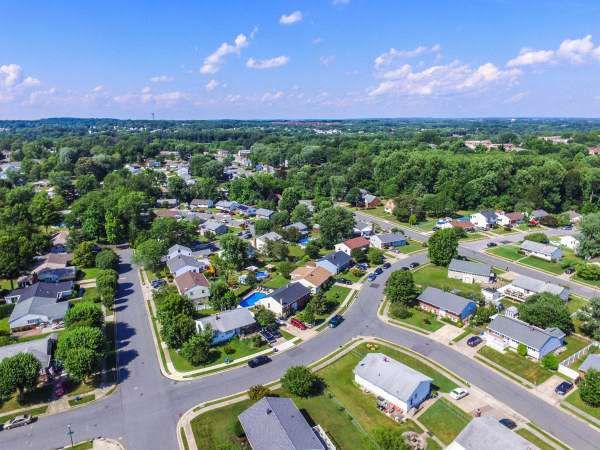
Lake Shore, Maryland is a moderately-sized city with a population of 19,239 people. If we look at the most recent Census, Lake Shore is known to have a predominantly White population. The next two most common races are Black and Asian. An important consideration when living in Lake Shore is the longer-than-average commute times. If you seek a short work commute, this area may not be the best choice for you. The one-way commute time here typically takes 35 minutes, far surpassing the national average of 26 minutes.
Without the right tools, relocating to any new area can be very stressful and challenging. Living in Lake Shore, Maryland could be a positive experience for anyone who puts in the effort to do the research required. When searching for a new neighborhood, several key items should be considered. Safety is paramount, ensuring a secure environment for you and your family. Proximity to workplaces or schools reduces commuting time and enhances convenience. Access to amenities like parks, grocery stores and healthcare facilities contributes to a comfortable lifestyle. Reliable public transportation options promote easy mobility. A strong sense of community fosters social connections and a welcoming atmosphere. Finding the best places to live in Lake Shore and nearby areas is a much easier task when you can rely on information and data from the livability score, which includes amenities, crime, cost of living, commute, health & safety and other important metrics.
Lake Shore, MD receives 58/100 for its livability score; this results in a ranking of #381 in Maryland and #20,738 in the USA. This is a poor rating when compared to the average of other places in the country. If we dig down a little deeper into each category within the livability score, we see that Lake Shore has higher than average grades for the following: housing (A+). Lake Shore does not do well for the following: amenities (F), cost of living (F) and education (D). It might be a good idea to take a closer look at each category to find out why.
A robust real estate market serves as a crucial economic indicator, reflecting the local area's strength, stability and the confidence of its residents. Lake Shore excels in the housing sector, scoring high marks based on factors such as median home and rental prices, appreciation rates and home affordability. These calculations suggest that the apartment rental and real estate market in the region is exceptionally healthy, highlighting the area's economic vitality and attractiveness to potential homebuyers and renters.
Certain items on your wish list like shopping, restaurants, nightlife, parks and proximity to public transportation are all important things to look for. Having said that, perhaps the most important metric to consider when contemplating a move to Lake Shore is real estate affordability. Median real estate prices in Lake Shore come in at $729,048, which is 40.9% higher than the Maryland average. The home price to income ratio compares the median home prices to the median household income. In Lake Shore, the home price to income ratio is 4.4, which is 4.3% lower than the Maryland average.

| Statistic | Lake Shore | Maryland | National |
| Average one way commute | 35min | 32min | 26min |
| Workers who drive to work | 85.6% | 73.7% | 76.4% |
| Workers who carpool | 8.3% | 9.3% | 9.3% |
| Workers who take public transit | 0.5% | 8.9% | 5.1% |
| Workers who bicycle | 0.0% | 0.3% | 0.6% |
| Workers who walk | 0.0% | 2.4% | 2.8% |
| Working from home | 5.2% | 4.4% | 4.6% |

 Here are the best places to live in Maryland
 These are the largest cities in Maryland
 Most Dangerous Cities In The US
 Check out the 10 most dangerous cities in Maryland