

 Employment
This area scores extremely well in the employment category. This is primarily due to the combination of low unemployment rates, higher median home income and income per capita.
 Housing
The housing category in this area boasts higher than average scores, likely influenced by a positive home affordability ratio, robust appreciation rates or elevated home values.
 Health & Safety
Earning a high health and safety score depends on factors such as good air quality and the availability of essential health facilities like hospitals, clinics, doctors, and fire stations.
 Schools
A high score in the schools category could be the result of elements like top-notch test scores, high education levels and the convenient location of elementary and high schools in this area.
 Ratings
Local residents have positive feedback regarding the convenience of amenities, parks, public transit, the friendliness of neighbors, the strong sense of community, and the overall safety of the area.
 Amenities
It appears that many amenities may not be conveniently situated within walking distance, potentially necessitating the use of a vehicle or public transit.
 Cost Of Living
Residents of this area contend with a high cost of living, resulting in increased expenditures for everyday goods and services, housing, utilities and health care.
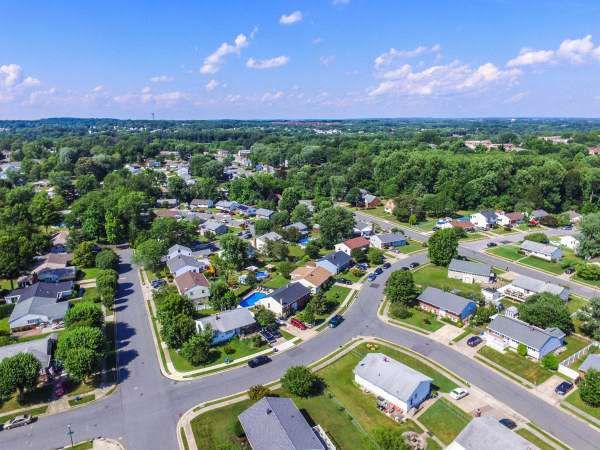
Lake Arbor, Maryland is a moderately-sized city with a population of 14,004 people. In Lake Arbor, there are 4,468 people per square mile, which is well above the national population density average. With a total of 88%, the Black or African American racial group makes up the majority of the population in Lake Arbor. The next most represented races are 7% White and 1% Asian. Lake Arbor is not known to have a high population (over 15 years old) of married people. At only 39% married, this city falls well below the national average. Something to be aware of when living in Lake Arbor are the above average commute times. If you're looking for a short commute to work, this might not be the right area for you. With one way commute time of 39 minutes, this comes in much higher than the national average of 26 minutes.
Whether you’re relocating to a new area to be closer to family, friends or for a new job, living in Lake Arbor could be a positive experience compared to other cities in Maryland if you know where to look. Don't forget to determine what matters most to you in a neighborhood. Consider factors such as safety, proximity to work or school, access to amenities (like parks, fitness facilities, grocery stores, restaurants), public transportation options, community atmosphere and the overall vibe you're looking for. The best areas in Lake Arbor and in surrounding cities are easier to find when you are able to make informed decisions. Using data from amenities, health & safety, education, employment, housing, you will see a detailed breakdown of the most important information as well as comparisons to the Maryland and national averages.
The livability score in Lake Arbor is 78 out of 100 and the city is ranked in the 92nd percentile of all cities across America. This is a fantastic score, as Lake Arbor ranks well in multiple categories! Lake Arbor also ranks in the top 10 percent of all cities, which is no small feat! Based on the scores for each individual category, Lake Arbor has received high marks for education (A) and housing (A+). Lake Arbor does not rank well for the following: amenities (F) and cost of living (F). It might be a good idea to take a closer look at each category to find out why.
A robust real estate market serves as a crucial economic indicator, reflecting the local area's strength, stability and the confidence of its residents. Lake Arbor excels in the housing sector, scoring high marks based on factors such as median home and rental prices, appreciation rates and home affordability. These calculations suggest that the apartment rental and real estate market in the region is exceptionally healthy, highlighting the area's economic vitality and attractiveness to potential homebuyers and renters.
Certain items on your wish list like shopping, restaurants, nightlife, parks and proximity to public transportation are all important things to look for. Having said that, perhaps the most important metric to consider when contemplating a move to Lake Arbor is real estate affordability. Median real estate prices in Lake Arbor come in at $626,300, which is 21% higher than the Maryland average. The home price to income ratio compares the median home prices to the median household income. In Lake Arbor, the home price to income ratio is 3.9, which is 15.2% lower than the Maryland average.

| Statistic | Lake Arbor | Maryland | National |
| Average one way commute | 39min | 32min | 26min |
| Workers who drive to work | 69.2% | 73.7% | 76.4% |
| Workers who carpool | 5.1% | 9.3% | 9.3% |
| Workers who take public transit | 18.8% | 8.9% | 5.1% |
| Workers who bicycle | 0.4% | 0.3% | 0.6% |
| Workers who walk | 0.2% | 2.4% | 2.8% |
| Working from home | 5.6% | 4.4% | 4.6% |

 Here are the best places to live in Maryland
 See the best places to live in Lake Arbor
 These are the largest cities in Maryland
 Most Dangerous Cities In The US