
| Statistic | Haddonfield | New Jersey | National |
| Population | 11,585 | 9,226,043 | 336,919,644 |
| Population density (sq mi) | 4,143 | 1,255 | 91 |
| Median age | 40.7 | 39.5 | 37.7 |
| Male/Female ratio | 1.0:1 | 1.0:1 | 1.0:1 |
| Married (15yrs & older) | 73% | 56% | 55% |
| Families w/ Kids under 18 | 56% | 45% | 43% |
| Speak English | 95% | 69% | 79% |
| Speak Spanish | 2% | 16% | 13% |

The demographics of Haddonfield offer invaluable insights into the composition, dynamics and needs of both urban and rural areas, empowering planners, developers and policymakers to foster prosperity, equity, and well-being for all residents. With a population of 11,585, Haddonfield exhibits a population density of 4,143 people per square mile, contrasting with the national average of 91. The median age stands at 40.7, with 73% of individuals aged 15 or older being married and 56% having children under 18. In terms of income equality in Haddonfield, 5% of households report a median income below $25,000, while 60% report an income exceeding $150,000, showcasing a diverse economic landscape.
The 5 largest ethnic groups in Haddonfield are 94.2% White, 1.2% Black or African American, 1.2% Asian, 0% American Indian and 0% Native Hawaiian, with 4.2% of the population identifying as Hispanic or Latino. Of note, 95.1% of households reported speaking English only, while 1.8% reported speaking Spanish only. Additionally, 4.4% of residents were classified as foreign-born. The Haddonfield racial demographics and ethnicity breakdown are essential for comprehending and addressing systemic inequities, advancing social justice and inclusion and cultivating resilient communities.
High population density areas typically offer a diverse array of amenities and services within walking distance or a short commute, enriching residents' quality of life and well-being. Accessible healthcare facilities, educational institutions, cultural venues, restaurants, shopping and public transportation options contribute to the convenience and vibrancy of these communities. The population density of of Haddonfield is 4,143 people per square mile, which far exceeds the national average of 91 and ranks among the most densely populated cities in the nation.
A family-friendly city like Haddonfield prioritizes the well-being and requirements of families, creating an atmosphere conducive to the flourishing of children, the support of parents and the collective enjoyment of a superior quality of life. These cities are characterized by their fostering of strong community bonds, where neighbors actively support and watch out for one another. Additionally, they often offer outstanding educational opportunities, including top-tier schools, well-stocked libraries and diverse extracurricular activities. Access to quality education is indispensable for the holistic development and future achievements of children. By giving precedence to the welfare of its inhabitants, such cities transform into vibrant and resilient communities where families can truly thrive. In Haddonfield, 56% of families have children under the age of 18, and 73% of residents aged over 15 are married. These demographic characteristics position this area to fully reap the benefits of being a family-friendly area.
Urban Development: Urban planners can leverage demographics data in Haddonfield to design and develop areas that cater to residents' needs, spanning housing, transportation, and public services, while prioritizing sustainability and enhancing quality of life. Demographic changes can contribute to gentrification and neighborhood evolution, whether in urban or rural contexts. As neighborhoods attract new residents with diverse income levels and lifestyle preferences, property values may appreciate, potentially displacing longstanding residents and reshaping the neighborhood's identity. Understanding population density, age distribution, household size and income levels is essential for guiding decisions on zoning, transportation infrastructure, housing development and public amenities. Incorporating Haddonfield demographics data into planning and implementing affordable housing initiatives can help mitigate displacement risks.
Social Cohesion: Reporting and analyzing demographics can play a crucial role in fostering social cohesion and understanding among diverse communities. By recognizing and appreciating differences in Haddonfield demographics, societies can promote inclusivity, diversity and social harmony, while addressing social disparities and promoting equal opportunities for all individuals. Racial demographics reflect the diversity of a population and contribute to fostering inclusive and welcoming communities. Embracing diversity strengthens social cohesion, promotes cultural understanding and enriches the fabric of society by celebrating the contributions of individuals from different racial and ethnic backgrounds.
Education Allocation: Utilizing census data like Haddonfield demographics can be useful in guiding education planning, as it helps identify student demographics, school enrollment trends and educational needs. This data assists schools and policymakers in allocating resources and devising effective educational programs. It serves as a vital tool for recognizing disparities in educational access and outcomes among various demographic groups, including racial and ethnic minorities, socio-economic status and students with disabilities. By disaggregating data based on demographic factors, education planners can pinpoint areas of inequity and implement targeted interventions to enhance access, support and outcomes for marginalized students. In essence, Haddonfield demographic statistics can play an indispensable role in education by promoting equity, bolstering student success and cultivating inclusive learning environments tailored to meet the needs of all students.
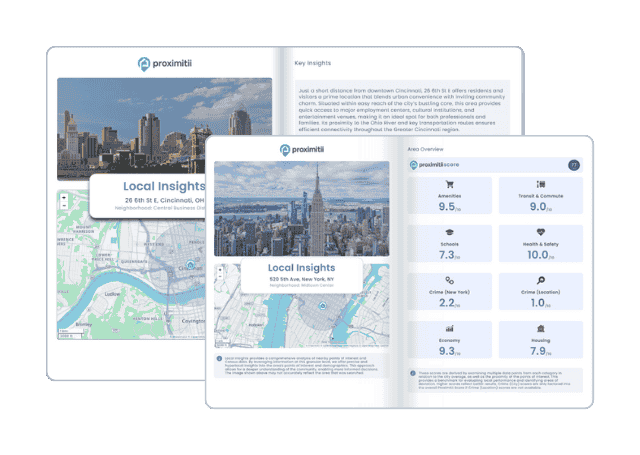
Why stop at city-to-city? With Local Insights, you can compare neighborhoods, zip codes, or even exact addresses. Access 300+ hyperlocal data points—from schools and crime to housing and amenities—to see which area is the better fit.
| Race | Haddonfield | New Jersey | National |
| White | 94.21% | 68.15% | 73.35% |
| Black | 1.24% | 13.54% | 12.63% |
| Asian | 1.24% | 9.19% | 5.22% |
| American Indian | 0.00% | 0.21% | 0.82% |
| Native Hawaiian | 0.00% | 0.03% | 0.18% |
| Mixed race | 3.25% | 2.53% | 3.06% |
| Other race | 0.05% | 6.35% | 4.75% |


 Here are the best places to live in New Jersey
 These are the largest cities in New Jersey
 These are the 10 cheapest cities in New Jersey
 Safest States In The US