

 Cost Of Living
The cost of living in this region is notably lower than the national average, encompassing everyday goods, housing, utilities, transportation and health care expenses.
 Crime
Crime
The crime rate is far lower than the national average per 100,000 residents. As such, it should be considered a very safe place to live when compared to other areas.
 Health & Safety
Achieving a high health and safety score relies on factors including great air quality and convenient access to vital health facilities such as hospitals, doctors, clinics and police stations.
 Ratings
Locals express favorable opinions about the proximity of everyday local amenities, parks, public transit, neighborly atmosphere, strong sense of community and the general safety of the area.
 Amenities
A large portion of amenities are not ideally situated within walking distance, potentially requiring residents to utilize a vehicle or public transportation.
 Commute
Access to public transportation in this particular area may be limited, which can result in longer-than-average commute times to reach workplaces.
 Employment
Low income levels and high unemployment rates results in a low score in the employment category. It could prove difficult to find well-paying employment in this area.
 Schools
The lower than average schools score may be influenced by below-average education levels, subpar reading and math scores and the lack of access to local elementary and high schools.
Located in the state of Alabama, Greensboro is a small city with a population of 3,044 people. In Greensboro, the most common ethnic group is Black or African American with a total of 77%. This is followed by 22% White and 0% Asian ethnic groups. Single men and women might be happy to hear that in Greensboro, only 28% of the population is married. Long commute times to work can be incredibly frustrating, ranking just behind housework on the list of life's annoyances. If you opt to make Greensboro your home, your one-way commute time will typically last around 25 minutes, a duration that aligns with the national average commute time of 26 minutes.
Living in Greensboro can be a fulfilling experience for anyone relocating to the city. Having said that, in the state of Alabama, there are many desirable places to live, so choose wisely! When searching for a new neighborhood, several factors play a vital role in determining its suitability. Safety should be a top priority, ensuring a secure environment with low crime rates. Proximity to your workplace or school helps minimize commuting time and allows for a better work-life balance. Availability of essential amenities such as parks, coffee shops, restaurants, grocery stores, and healthcare facilities contributes to convenience and well-being. Access to reliable public transportation options facilitates easy commuting and connectivity. Additionally, considering the sense of community and the overall atmosphere that resonates with your lifestyle and preferences fosters a harmonious living experience. Finding the best places to live in Greensboro and nearby areas is a much easier task when you can rely on information and data from the livability score, which includes amenities, health & safety, employment and other important metrics.
Greensboro has a livability score of 67 out of 100 and is ranked #75 in Alabama and #10,217 in the USA. Unfortunately for Greensboro, there are some categories for which it does not score well, this includes: amenities (F), education (F) and employment (F).
Striving for a cost-effective lifestyle becomes increasingly essential, especially in light of the ongoing upward trajectory of everyday goods and services. In Greensboro, residents enjoy the privilege of a cost of living that is 20.21% below the national average. This favorable positioning extends its influence across a broad spectrum of expenses, encompassing not only goods and services but also housing costs, groceries and healthcare costs. Consequently, this locale emerges as a hub where your financial resources go further, allowing you to maintain an economical and sustainable way of life. This affordability becomes increasingly significant in an era marked by escalating expenses, rendering Greensboro an appealing destination for those in pursuit of financial prudence without sacrificing their quality of life.
Certain items on your wish list like shopping, restaurants, nightlife, parks and proximity to public transportation are all important things to look for. Having said that, perhaps the most important metric to consider when contemplating a move to Greensboro is real estate affordability. Median real estate prices in Greensboro come in at $135,399, which is 42.5% lower than the Alabama average. The home price to income ratio compares the median home prices to the median household income. In Greensboro, the home price to income ratio is 4.1, which is 13.9% higher than the Alabama average.

| Statistic | Greensboro | Alabama | National |
| Average one way commute | 25min | 25min | 26min |
| Workers who drive to work | 88.2% | 85.7% | 76.4% |
| Workers who carpool | 8.8% | 8.8% | 9.3% |
| Workers who take public transit | 0.0% | 0.4% | 5.1% |
| Workers who bicycle | 0.0% | 0.1% | 0.6% |
| Workers who walk | 0.0% | 1.1% | 2.8% |
| Working from home | 1.2% | 2.9% | 4.6% |

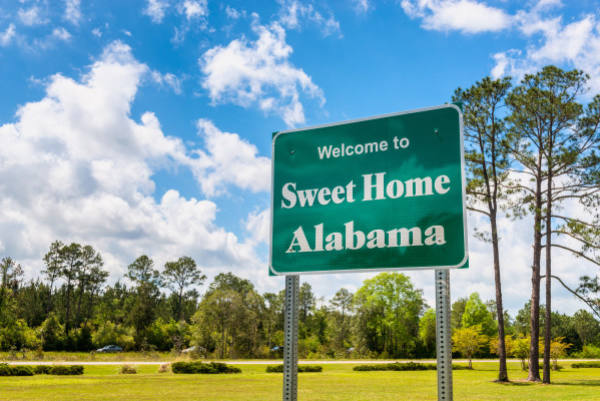 Here are the best places to live in Alabama
 Safest Cities In The US
 Most Dangerous Cities In The US
 These are the 10 cheapest cities in Alabama