

 Employment
The combination of higher than average median home income, income per capita and low unemployment rates results in a score that is well above average in the employment category.
 Housing
This area has received high scores in the housing category. This could be due to a positive home affordability ratio, high appreciation rates or elevated home values.
 Amenities
A majority of amenities are not ideally situated within a reasonable walking distance, which may lead residents to rely on a vehicle or public transportation.
 Commute
Public transportation is not readily available in this area and the average commute time to work could also be longer than the national average.
 Cost Of Living
Based on the most recent cost of living data, this area is more expensive to live in. You can expect to pay more for everyday goods and services, housing, groceries and utilities.
 Health & Safety
Poor air quality and the inaccessibility of certain health related facilities like hospitals, clinics, doctors and pharmacies could have all contributed to the low score in this category.
 Ratings
AreaVibes conducted surveys and polls with locals who live in the area. The results were not favorable for walkability of amenities, parks, public transit and the overall sense of community in the area.
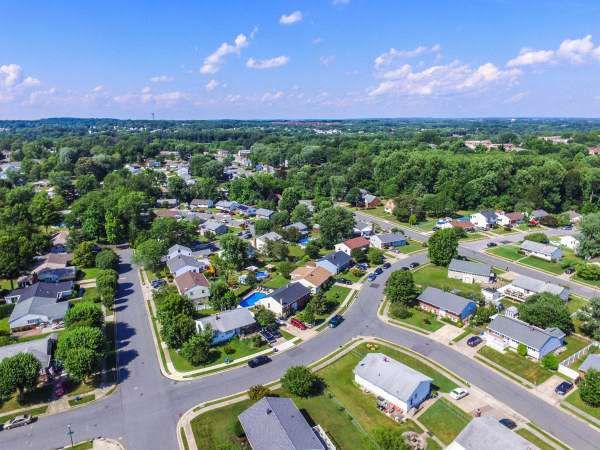
Camp Springs, Maryland is a moderately-sized city with a population of 22,467 people. In Camp Springs, the most common ethnic group is Black or African American with a total of 79%. This is followed by 11% White and 2% Asian ethnic groups. All the single ladies and all the single fellas might want to take notice as only 48% of the Camp Springs population is married. Something to be aware of when living in Camp Springs are the above average commute times. If you're looking for a short commute to work, this might not be the right area for you. With one way commute time of 39 minutes, this comes in much higher than the national average of 26 minutes.
Are you trying to ascertain if living in Camp Springs is the right fit for your lifestyle? To ensure a great experience before relocating to any new city in Maryland, you will probably want to make sure that you check all of the most important boxes. Several key factors deserve attention. For one, safety is paramount, ensuring that your new area is low in crime is key. Proximity to workplaces or schools minimizes commute times and fosters convenience. Access to essential amenities like parks, grocery stores, food, fitness, shops and healthcare facilities enhances daily life. Efficient public transportation options provide mobility and connectivity. The sense of community creates a welcoming and supportive environment. Lastly, the overall atmosphere, encompassing the vibe, aesthetics, and lifestyle offerings, contributes to a fulfilling living experience. Considering these elements helps identify the ideal neighborhood for your needs and preferences. The best areas in Camp Springs and in surrounding cities are easier to find when you are able to make informed decisions. Using data from crime, commute, health & safety, education, you will see a detailed breakdown of the most important information as well as comparisons to the Maryland and national averages.
Camp Springs, MD receives 61 out of 100 for its livability score; this results in a ranking of #326 in Maryland and #16,994 in the USA. If we examine each of the categories on their own, we see that Camp Springs ranks well for education (B-) and housing (A+). On a more negative note, Camp Springs does not have favorable ranks for the following: amenities (F), crime (D) and cost of living (F). If we take a look at the data, we can find out why.
A healthy real estate market serves as a key economic indicator. It could signify overall local economic strength, stability and reflects consumer confidence in the area. Based on multiple factors including: median home and rental prices, appreciation rates and home affordability, Camp Springs has received high marks in the housing category. Based on these calculations, the apartment rental and real estate market appears to be very healthy.
Camp Springs real estate prices and overall affordability will play a huge role in determining if the area is the right fit for you. Of course there are probably some other items on your “wish list”, but even before they are considered, let’s take a look at the home prices and affordability in Camp Springs. The median home price for Camp Springs homes is $532,570, which is 2.9% higher than the Maryland average. If we take a closer look at the affordability of homes in Camp Springs, we’ll see that the home price to income ratio is 3.5, which is 23.9% lower than the Maryland average.

| Statistic | Camp Springs | Maryland | National |
| Average one way commute | 39min | 32min | 26min |
| Workers who drive to work | 68.6% | 73.7% | 76.4% |
| Workers who carpool | 9.2% | 9.3% | 9.3% |
| Workers who take public transit | 14.7% | 8.9% | 5.1% |
| Workers who bicycle | 0.0% | 0.3% | 0.6% |
| Workers who walk | 0.8% | 2.4% | 2.8% |
| Working from home | 5.0% | 4.4% | 4.6% |

 Here are the best places to live in Maryland
 Safest Cities In The US
 See the best places to live in Camp Springs
 Safest States In The US