

Alpharetta, Georgia is a mid-sized city with a population of 69,031 residents. Long commute times to work can be incredibly frustrating, ranking just behind housework on the list of life's annoyances. If you opt to make Alpharetta your home, your one-way commute time will typically last around 29 minutes, a duration that aligns with the national average commute time of 26 minutes.
Whether you’re relocating to a new city to be closer to family, friends or for a new job, living in Alpharetta could be a positive experience compared to other cities in Georgia if you know where to search. Don't forget to determine what matters most to you in a neighborhood. Consider factors such as safety, proximity to work or school, access to amenities (like parks, fitness facilities, grocery stores, restaurants), public transportation options, community atmosphere and the overall vibe you're looking for. Using the livability score which includes data from categories like crime, commute, health & safety, education, you can easily compare the best places to live in Alpharetta and also determine if there are any nearby cities that might be a better match for your lifestyle. You can also compare Alpharetta to Georgia and the national average.
Using data and statistics Alpharetta has received a livability score of 76/100. This score is ranked in the 88th percentile when compared to all other cities. Compared to the national average, Alpharetta ranks among some of the best places to live in the country! If we explore each of the categories on their own, we see that Alpharetta ranks well for crime (B), education (A+) and housing (A+). On a less positive note, Alpharetta does not have favorable grades for the following: cost of living (F). If we take a look at the data, we can find out why.
Test scores can be a good way to measure a school's academic performance and the proficiency of its students. They can be an important metric in deciding if the local area schools can provide a solid educational system for children. The schools in Alpharetta have an average test score of 72%, which is well above the US average.
Real estate represents the most substantial investment for homebuyers, constituting their most valuable asset. Renters, on the other hand, typically see their monthly rent as their most significant expense. The Alpharetta market earns a high score in the housing category, surpassing the national average in factors like home and rental affordability and appreciation rates. This robust real estate market not only benefits individual homeowners and renters but also spurs vigorous local economic activity and job growth, solidifying its significance in driving the region's prosperity and financial well-being.
Alpharetta real estate prices and overall affordability will play a huge role in determining if the area is the right fit for you. Of course there are probably some other items on your “wish list”, but even before they are considered, let’s take a look at the home prices and affordability in Alpharetta. Median real estate prices in Alpharetta come in at $810,135, which is 191.3% higher than the Georgia average. The home price to income ratio compares the median home prices to the median household income. In Alpharetta, the home price to income ratio is 4.6, which is 24.3% higher than the Georgia average.

| Statistic | Alpharetta | Georgia | National |
| Average one way commute | 29min | 28min | 26min |
| Workers who drive to work | 72.4% | 79.6% | 76.4% |
| Workers who carpool | 4.5% | 10.1% | 9.3% |
| Workers who take public transit | 1.3% | 2.1% | 5.1% |
| Workers who bicycle | 0.3% | 0.2% | 0.6% |
| Workers who walk | 1.3% | 1.6% | 2.8% |
| Working from home | 18.7% | 5.1% | 4.6% |

 Here are the best places to live in Georgia
 Most Dangerous States In The US
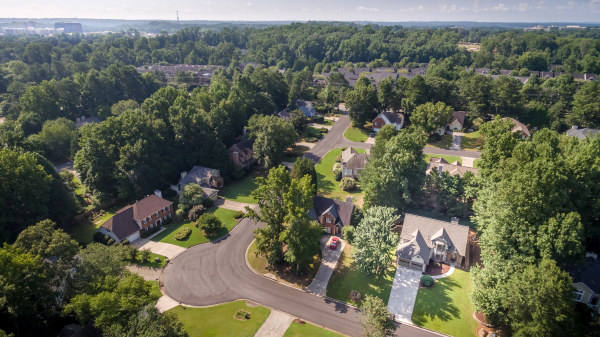 See the best places to live in Alpharetta
 Check out the 10 safest cities in Georgia