

Living in San Antonio, TX, known as 'Alamo City,' offers a rich blend of history and modernity. Located in south-central Texas, San Antonio is a large city that combines cultural heritage with contemporary living. Major nearby cities like Austin and Houston enhance its status as a central hub in the region. San Antonio's blend of historical landmarks, cultural festivals, and urban amenities creates a distinctive living experience.
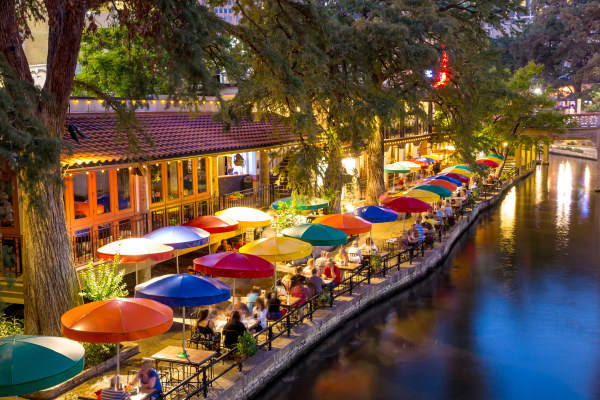
San Antonio is home to several landmarks that highlight its historical significance, including The Alamo, a symbol of Texas' fight for independence, and the San Antonio Missions National Historical Park, a UNESCO World Heritage site. The city offers a variety of attractions, including the famous River Walk, a network of walkways along the San Antonio River, and the San Antonio Zoo, which is perfect for family outings. San Antonio's dining scene is renowned for its Tex-Mex cuisine, offering a unique blend of flavors.
Annual events such as Fiesta San Antonio and the Texas Folklife Festival highlight the city's vibrant cultural scene and provide unique entertainment opportunities for residents and visitors. These events celebrate San Antonio's rich cultural heritage and community spirit. Major universities such as the University of Texas at San Antonio and Trinity University enhance the city's academic and cultural vibrancy, contributing to a thriving intellectual community and offering a wide range of educational opportunities.
The arts and culture scene in San Antonio is thriving, with institutions like the San Antonio Museum of Art and the Tobin Center for the Performing Arts providing residents with access to world-class performances and exhibitions. The city's numerous theaters, music venues, and art galleries offer endless opportunities for cultural engagement. Living in San Antonio means being part of a community that values creativity and cultural expression.
San Antonio’s community is diverse and welcoming, with professional sports teams like the Spurs (NBA) and the San Antonio FC (USL) providing plenty of excitement for sports fans. Key industries in San Antonio include healthcare, military, and tourism, with major employers like USAA and the Brooke Army Medical Center driving economic growth and innovation. The city has extensive public transit options, including VIA Metropolitan Transit buses and a developing light rail system, making it easier for residents to navigate the city.
San Antonio, Texas is a big city with a population of 1,573,237 residents. In San Antonio, there are 3,413 people per square mile, which is well above the national population density average. The majority of San Antonio residents report their race to be White; this is followed by Black and Asian. Additionally, more than a quarter of the population of San Antonio are of Hispanic or Latino origin, and 38% of the population also speak Spanish. In San Antonio, only 47% of people over the age of fifteen are married. This city could be a good option for singles ready to mingle. The average American spends about 26 minutes on their one way commute to work each day. Lower travel times can increase overall happiness and allow for more time to be spent with family and friends. While living in San Antonio, your commute times will be about average, with a one way commute time of 25 minutes.
If you’re considering relocating to any new city, it could be a very daunting task. However, it could also be a good experience if you are willing to get to know the city before actually living in San Antonio, Texas. When searching for a new neighborhood, several key items should be considered. Safety is of utmost importance, ensuring a secure environment with low crime. Proximity to your workplace or school helps reduce commuting time and offers convenience. Access to amenities such as parks, grocery stores, and healthcare facilities enhances your daily life. Public transportation options contribute to easy mobility. A sense of community fosters a supportive and engaging environment. Lastly, the overall atmosphere should align with your desired lifestyle, ensuring a fulfilling living experience. Considering these items will guide you towards finding the perfect neighborhood that fits all your needs. The best areas in San Antonio and in surrounding cities are easier to find when you are able to make informed decisions. Using data from amenities, health & safety, education, employment, housing, you will see a detailed breakdown of the most important information as well as comparisons to the Texas and national averages.
San Antonio, TX receives 80 out of 100 for its livability score; this results in a ranking of #38 in Texas and #1,616 in the USA. This is a great score, as San Antonio ranks well in multiple categories! Another exciting tidbit, is that San Antonio ranks better than 90% of all US cities! There are nine total categories that form the livability score. San Antonio ranks well for cost of living (A+) and housing (A+) There is at least one category that did not score well in San Antonio. The following was graded with a disappointing score: crime (F).
If you're considering living in San Antonio, it comes with numerous advantages, particularly in the form of an extensive selection of local amenities. These amenities play a pivotal role in elevating the quality of life within this vibrant community. From easily accessible grocery stores, to conveniently located fitness facilities, a diverse range of dining establishments and a multitude of shopping options, San Antonio provides a comprehensive array of resources for its residents. This ensures the effortless fulfillment of your daily needs and creates ample opportunities for relaxation and recreation. The convenience of these local offerings greatly contributes to the overall appeal of the area, making it an enticing destination for those in search of convenience, diversity, and a gratifying lifestyle. If you're contemplating a move, the abundance of local amenities could very well be a defining characteristic of this area. Some of the interesting things to do and attractions include: River Walk, The Alamo, and SeaWorld San Antonio.
A healthy real estate market serves as a key economic indicator. It could signify overall local economic strength, stability and reflects consumer confidence in the area. Based on multiple factors including: median home and rental prices, appreciation rates and home affordability, San Antonio has received high marks in the housing category. Based on these calculations, the apartment rental and real estate market appears to be very healthy.
Being close to public transit, grocery stores, parks and other conveniences are all important when weighing your options for a new home in San Antonio. Before you determine if any of these amenities are available in the area, you will also want to know if the real estate prices in San Antonio are affordable. Median real estate prices in San Antonio come in at $280,585, which is 9.3% higher than the Texas average. The home price to income ratio compares the median home prices to the median household income. In San Antonio, the home price to income ratio is 3.5, which is 9.4% higher than the Texas average.

| Statistic | San Antonio | Texas | National |
| Average one way commute | 25min | 26min | 26min |
| Workers who drive to work | 76.3% | 80.3% | 76.4% |
| Workers who carpool | 11.7% | 10.6% | 9.3% |
| Workers who take public transit | 2.6% | 1.5% | 5.1% |
| Workers who bicycle | 0.2% | 0.3% | 0.6% |
| Workers who walk | 1.9% | 1.6% | 2.8% |
| Working from home | 5.8% | 4.3% | 4.6% |

 Here are the best places to live in Texas
 See the best places to live in San Antonio
 Safest States In The US
 These are the largest cities in Texas