
| Statistic | Round Lake Heights | Illinois | National |
| Population | 3,083 | 13,081,969 | 336,919,644 |
| Population density (sq mi) | 5,349 | 236 | 91 |
| Median age | 31.4 | 37.4 | 37.7 |
| Male/Female ratio | 1.0:1 | 1.0:1 | 1.0:1 |
| Married (15yrs & older) | 51% | 55% | 55% |
| Families w/ Kids under 18 | 61% | 44% | 43% |
| Speak English | 68% | 77% | 79% |
| Speak Spanish | 28% | 13% | 13% |

Understanding the demographics of Round Lake Heights is essential for gaining insights into the composition, dynamics and needs of any city, town or village. This knowledge empowers planners, developers and policymakers to strategize effectively, promoting prosperity, equity and well-being for all residents. The Round Lake Heights population is 3,083, with a population density of 5,349 people per square mile, diverging from the national average of 91. The median age is 31.4, and 51% of individuals aged 15 or older are married, while 61% have children under 18. As far as income equality in Round Lake Heights, 15% of households have a median income below $25,000, whereas 19% report an income exceeding $150,000, indicating a varied economic landscape within the area.
The 5 largest ethnic groups in Round Lake Heights are 70.2% White, 8.5% Black or African American, 2.8% Asian, 0% American Indian and 0% Native Hawaiian, with 39.6% of the population identifying as Hispanic or Latino. Of note, 67.7% of households reported speaking English only, while 27.9% reported speaking Spanish only. Additionally, 22.3% of residents were classified as foreign-born. The Round Lake Heights racial demographics and ethnicity breakdown are essential for comprehending and addressing systemic inequities, advancing social justice and inclusion and cultivating resilient communities.
High population density areas are renowned for their extensive array of amenities and services, easily accessible to residents within walking distance or a short commute. From healthcare facilities and educational institutions to cultural venues, dining establishments, retail shops and public transportation options, these communities offer convenience and enrichment to their inhabitants. The Round Lake Heights population density is 5,349 people per square mile, well above the national average of 91, making it one of the most densely populated cities in the nation.
A city that prioritizes the well-being and necessities of families, such as Round Lake Heights, fosters an environment where children prosper, parents receive robust support and families collectively relish a high standard of living. Family-friendly cities are renowned for nurturing tight-knit communities, where neighbors actively assist and look out for one another. Furthermore, these locales often offer exceptional educational opportunities, encompassing top-notch schools, well-stocked libraries, and a plethora of extracurricular activities. Quality education is paramount for the comprehensive development and future success of children. By placing a premium on the welfare of its populace, such cities emerge as vibrant and resilient communities where families can genuinely flourish. In Round Lake Heights, 61% of families have children under 18, and 51% of residents aged 15 and above are married. These demographic attributes position this area to harness the advantages of being a family-friendly locale.
Policy Planning: Demographic data and statistics play a fundamental role in informing policy and decision-making processes across government entities, organizations and businesses. Through the analysis and interpretation of Round Lake Heights demographic data, policymakers, government officials, and organizational leaders can pinpoint areas of concern, allocate resources efficiently, and devise policies and initiatives tailored to the specific needs and preferences of distinct demographic groups. The utilization of demographics in Round Lake Heights can be crucial in policy planning, facilitating evidence-based decision-making, identifying key priorities, forecasting future trends, monitoring policy outcomes and advancing principles of equity and inclusion. By harnessing this data effectively, policymakers can develop policies that are targeted, effective and inclusive, thus meeting the diverse needs of communities.
Understanding Populations: Reporting and analyzing the demographic data in Round Lake Heights can allow us to gain insights into the characteristics and composition of populations, including age, gender, race, ethnicity, income, education and other socio-economic factors. This understanding is essential for addressing the diverse needs, preferences and challenges of different demographic groups within communities. Demographics can play a crucial role in understanding populations, informing decision-making processes and promoting equity, inclusion, and well-being for all individuals and communities. Round Lake Heights population data serves as a foundation for addressing social, economic, and environmental challenges and promoting the well-being and resilience of societies.
Social Cohesion: Analyzing demographics is vital for nurturing social cohesion and fostering understanding among diverse communities. By embracing and respecting variations in Round Lake Heights demographics, societies can advance inclusivity, diversity and social unity while combatting social inequalities and advocating for equal opportunities. Racial demographics mirror the diversity within a population and can be instrumental in cultivating inclusive and inviting communities. Embracing diversity strengthens social bonds, fosters cultural appreciation and enriches society by acknowledging the contributions of individuals from various racial and ethnic backgrounds.
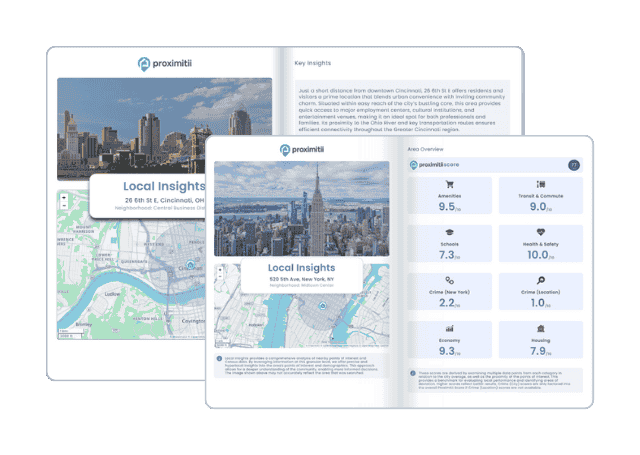
Why stop at city-to-city? With Local Insights, you can compare neighborhoods, zip codes, or even exact addresses. Access 300+ hyperlocal data points—from schools and crime to housing and amenities—to see which area is the better fit.
| Race | Round Lake Heights | Illinois | National |
| White | 70.16% | 72.14% | 73.35% |
| Black | 8.54% | 14.30% | 12.63% |
| Asian | 2.82% | 5.10% | 5.22% |
| American Indian | 0.00% | 0.23% | 0.82% |
| Native Hawaiian | 0.00% | 0.03% | 0.18% |
| Mixed race | 6.75% | 2.34% | 3.06% |
| Other race | 11.73% | 5.86% | 4.75% |


 Here are the best places to live in Illinois
 See the best places to live in Round Lake Heights
 These are the largest cities in Illinois
 Most Dangerous Cities In The US