

 Crime
Crime
Crime per 100,000 people is significantly lower than the national average, making it a safe place to live. These crime statistics include both violent and property crimes.
 Employment
Higher than average median household income, income per capita and lower unemployment rates are seen in this area. The result is a high score in the employment category.
 Housing
High scores in the housing category are a distinguishing feature of this area, possibly driven by a favorable home affordability ratio, higher home values and appreciation rates.
 Ratings
Based on recent surveys and polls, locals gave high marks in the walkability to local amenities, safety, public transit, friendliness of neighbors and overall sense of community in the area.
 Amenities
The majority of amenities are not ideally located within walking distance. To access these amenities, residents may be required to rely on a vehicle or public transit.
 Commute
A low commute score could be due to longer-than-average work commutes and the limited availability of public transportation in this area.
 Cost Of Living
Living in this region comes with a high cost of living, translating to elevated costs for homes, goods and services, groceries, utilities, health care and transportation.
 Health & Safety
The low score in this category could be due to challenges related to air quality and the limited accessibility of health-related facilities like hospitals, nursing homes, doctors and pharmacies.
Parker, Texas is a small city with a population of 5,111 inhabitants. According to the most recent Census, 72% of Parker residents are White, 14% Asian and 10% Black. Parker is known to be family friendly as more than 75% of the population has already tied the knot. It might also be worth noting that 59% of residents also have children under the age of 18. Long travel times to work can be one of the most frustrating things in the world - right behind housework! If you decide that living in Parker is the right fit for you, your one way commute time will average 29 minutes, which is about average when compared to the national commute time of 26 minutes.
Whether you’re moving to a new city to be closer to family, friends or for a new job, living in Parker could be a positive experience compared to other cities in Texas if you know where to search. Don't forget to determine what matters most to you in a neighborhood. Consider factors such as safety, proximity to work or school, access to amenities (like parks, fitness facilities, grocery stores, restaurants), public transportation options, community atmosphere and the overall vibe you're looking for. Using the livability score which includes data from categories like amenities, cost of living, employment, you can easily compare the best places to live in Parker and also determine if there are any nearby cities that might be a better match for your lifestyle. You can also compare Parker to Texas and the national average.
With a livability score of 64 out of 100, Parker is ranked #13,165 in the United States and #709 in Texas. There are nine total categories that create the livability score. Parker ranks well for crime (A+), education (B-) and housing (A+) Unfortunately for Parker, there are some categories for which it does not rank well, this includes: amenities (F) and cost of living (F).
Low rates of violent crime, encompassing offenses such as murder, rape, robbery and assault, contribute significantly to a safer living environment. This reduction in crime minimizes the chances of personal harm, property theft, or violent incidents. Furthermore, low crime rates can have a positive impact on property values and the overall desirability of an area. There were 31 crimes per 100,000 residents, which signifies that Parker boasts an impressively low violent crime rate that falls well below the national average.
Unemployment rates can vary significantly among cities, impacting job prospects, wage levels and the overall economic health of an area. In Parker, the unemployment rate stands at 1.5%, suggesting increased job opportunities and a heightened demand for workers. This scenario can lead to higher wages, as the demand for employees outpaces job availability. Importantly, a low unemployment rate often signifies a robust and flourishing local economy.
Parents and families tend to prioritize school test scores when choosing educational institutions. Test score data can be a critical factor in evaluating and comparing schools. In Parker, the average school test scores are an impressive 68%, well above the national average. This achievement reflects the educational system's dedication to providing students with the essential knowledge and tools for success. It ensures that your children will receive the support and resources needed to excel academically and thrive in their educational pursuits.
A robust real estate market serves as a crucial economic indicator, reflecting the local area's strength, stability and the confidence of its residents. Parker excels in the housing sector, scoring high marks based on factors such as median home and rental prices, appreciation rates and home affordability. These calculations suggest that the apartment rental and real estate market in the region is exceptionally healthy, highlighting the area's economic vitality and attractiveness to potential homebuyers and renters.
There are many factors that go into deciding if an area is the right fit for your lifestyle. Certain “must haves” like low crime, great schools and nearby amenities are all at the top of most people's lists. But before even considering if those options are attainable, we'll need to know if the real estate in Parker is actually affordable. Median real estate prices in Parker come in at $1,181,437, which is 360.2% higher than the Texas average. The home price to income ratio compares the median home prices to the median household income. In Parker, the home price to income ratio is 4.7, which is 46.9% higher than the Texas average.
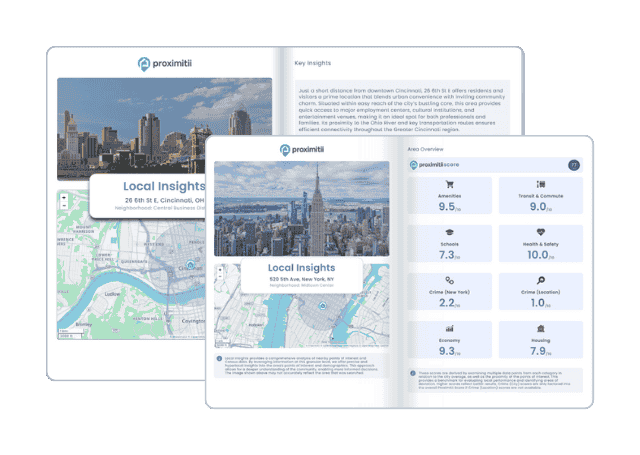
Why stop at city-to-city? With Local Insights, you can compare neighborhoods, zip codes, or even exact addresses. Access 300+ hyperlocal data points—from schools and crime to housing and amenities—to see which area is the better fit.

| Statistic | Parker | Texas | National |
| Average one way commute | 29min | 26min | 26min |
| Workers who drive to work | 63.3% | 80.3% | 76.4% |
| Workers who carpool | 7.6% | 10.6% | 9.3% |
| Workers who take public transit | 0.0% | 1.5% | 5.1% |
| Workers who bicycle | 0.0% | 0.3% | 0.6% |
| Workers who walk | 1.0% | 1.6% | 2.8% |
| Working from home | 26.8% | 4.3% | 4.6% |

 Here are the best places to live in Texas
 Check out the 10 safest cities in Texas
 These are the 10 cheapest cities in Texas
 Most Dangerous States In The US