

 Cost Of Living
Taking into account the cost of goods and services like housing, groceries, transportation and utilities, the overall cost of living in this area is well below average.
 Housing
High scores in the housing category are a distinguishing feature of this area, possibly driven by a favorable home affordability ratio, higher home values and appreciation rates.
 Amenities
The majority of amenities are not ideally located within walking distance. To access these amenities, residents may be required to rely on a vehicle or public transit.
 Commute
A low commute score could be due to longer-than-average work commutes and the limited availability of public transportation in this area.
Located in the state of New Mexico, Paradise Hills is a small-sized city with a population of 5,043 people. Paradise Hills has a population density of 4,931 people per square mile. This would be considered well above the national population density level. At 71%, the majority of the Paradise Hills population is White; this is followed by 2% Asian and 1% Black. Additionally, more than a quarter of the population of Paradise Hills are of Hispanic or Latino origin, and 9% of the population also speak Spanish. Paradise Hills is not known to have a high population (over 15 years old) of married people. At only 48% married, this city falls well below the national average. Long travel times to work can be one of the most frustrating things in the world - right behind housework! If you decide that living in Paradise Hills is the right fit for you, your one way commute time will average 28 minutes, which is about average when compared to the national commute time of 26 minutes.
Living in Paradise Hills can be a great experience for anyone relocating to the area. Having said that, in the state of New Mexico, there are many amazing places to live, so choose wisely! When searching for a new neighborhood, several factors play a vital role in determining its suitability. Safety should be a top priority, ensuring a secure environment with low crime rates. Proximity to your workplace or school helps minimize commuting time and allows for a better work-life balance. Availability of essential amenities such as parks, coffee shops, restaurants, grocery stores, and healthcare facilities contributes to convenience and well-being. Access to reliable public transportation options facilitates easy commuting and connectivity. Additionally, considering the sense of community and the overall atmosphere that resonates with your lifestyle and preferences fosters a harmonious living experience. To help you find the best places to live in and around Paradise Hills, AreaVibes has created a livability score using key metrics like cost of living, health & safety, education, employment, housing and more.
Paradise Hills has a livability score of 64 out of 100 and is ranked #67 in New Mexico and #13,720 in the USA. Based on the rankings for each individual category, Paradise Hills has been rewarded with high marks for cost of living (B+), education (B) and housing (A). There is at least one category that did not score well in Paradise Hills. The following was graded with a less than perfect score: amenities (F) and crime (D-).
Real estate represents the most substantial investment for homebuyers, constituting their most valuable asset. Renters, on the other hand, typically see their monthly rent as their most significant expense. The Paradise Hills market earns a high score in the housing category, surpassing the national average in factors like home and rental affordability and appreciation rates. This robust real estate market not only benefits individual homeowners and renters but also spurs vigorous local economic activity and job growth, solidifying its significance in driving the region's prosperity and financial well-being.
Paradise Hills real estate prices and overall affordability will play a huge role in determining if the area is the right fit for you. Of course there are probably some other items on your “wish list”, but even before they are considered, let’s take a look at the home prices and affordability in Paradise Hills. The median home price for Paradise Hills homes is $355,943, which is 25.6% higher than the New Mexico average. If we take a closer look at the affordability of homes in Paradise Hills, we’ll see that the home price to income ratio is 4.5, which is 7.1% higher than the New Mexico average.
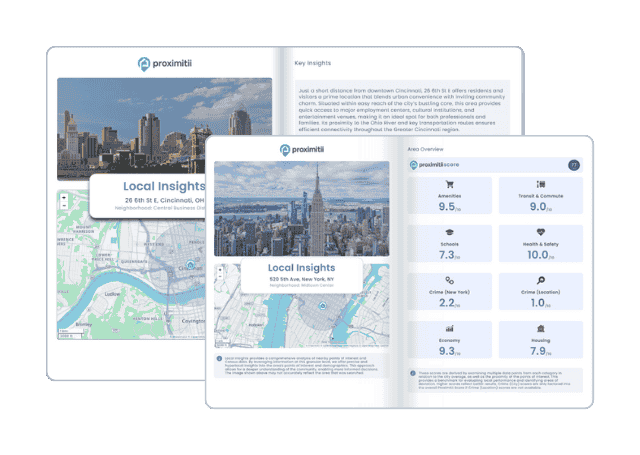
Why stop at city-to-city? With Local Insights, you can compare neighborhoods, zip codes, or even exact addresses. Access 300+ hyperlocal data points—from schools and crime to housing and amenities—to see which area is the better fit.

| Statistic | Paradise Hills | New Mexico | National |
| Average one way commute | 28min | 22min | 26min |
| Workers who drive to work | 83.3% | 79.8% | 76.4% |
| Workers who carpool | 10.5% | 10.1% | 9.3% |
| Workers who take public transit | 0.0% | 1.2% | 5.1% |
| Workers who bicycle | 0.0% | 0.7% | 0.6% |
| Workers who walk | 0.0% | 2.2% | 2.8% |
| Working from home | 5.2% | 4.7% | 4.6% |

 Here are the best places to live in New Mexico
 Most Dangerous States In The US
 These are the 10 cheapest cities in New Mexico
 Check out the 10 most dangerous cities in New Mexico