
| Statistic | Oyster Bay Cove | New York | National |
| Population | 2,029 | 20,171,207 | 336,919,644 |
| Population density (sq mi) | 485 | 428 | 91 |
| Median age | 52.3 | 38.2 | 37.7 |
| Male/Female ratio | 1.1:1 | 0.9:1 | 1.0:1 |
| Married (15yrs & older) | 74% | 52% | 55% |
| Families w/ Kids under 18 | 29% | 43% | 43% |
| Speak English | 71% | 70% | 79% |
| Speak Spanish | 4% | 15% | 13% |

The demographics of Oyster Bay Cove offer invaluable insights into the composition, dynamics and needs of both urban and rural areas, empowering planners, developers and policymakers to foster prosperity, equity, and well-being for all residents. With a population of 2,029, Oyster Bay Cove exhibits a population density of 485 people per square mile, contrasting with the national average of 91. The median age stands at 52.3, with 74% of individuals aged 15 or older being married and 29% having children under 18. In terms of income equality in Oyster Bay Cove, 7% of households report a median income below $25,000, while 68% report an income exceeding $150,000, showcasing a diverse economic landscape.
The 5 largest ethnic groups in Oyster Bay Cove are 79.6% White, 1.2% Black or African American, 14.7% Asian, 0% American Indian and 0% Native Hawaiian, with 6.3% of the population identifying as Hispanic or Latino. Of note, 70.7% of households reported speaking English only, while 3.8% reported speaking Spanish only. Additionally, 20.4% of residents were classified as foreign-born. The Oyster Bay Cove racial demographics and ethnicity breakdown are essential for comprehending and addressing systemic inequities, advancing social justice and inclusion and cultivating resilient communities.
Towns, villages or even small cities with below-average population density, like Oyster Bay Cove, offer the expectation of a more laid-back lifestyle, deeper immersion in nature, strong community bonds, improved affordability and enhanced safety, drawing individuals seeking respite from the hustle and bustle of urban living. These regions often feature a more affordable cost of living, with housing prices typically more reasonable and residents may enjoy reduced taxes, living expenses and insurance rates. Low population density areas generally boast lower crime rates than densely populated urban areas, fostering a greater sense of safety and security for residents and their families. Oyster Bay Cove has a population density of 485 people per square mile, which falls below 50% of cities nationwide, positioning it to leverage these outstanding benefits.
Oyster Bay Cove, a city with less children than average, presents numerous advantages tailored to a demographic where families with fewer or no children seek an optimal living environment. These advantages may encompass a tranquil ambiance, a heightened focus on amenities geared towards adults, reduced traffic congestion and enhanced affordability. Notably, one of the principal benefits could be the expanded availability of housing options designed to accommodate adult residents or smaller households. This could include various housing types such as condominiums, apartments, or single-family homes specifically tailored for couples or individuals without children, offering a diverse range of choices for potential buyers or renters. Areas with fewer children may also signify suitability for retirees or seniors. In Oyster Bay Cove, only 29% of the population consists of children under 18 years old, significantly lower than the national average. Additionally, 74% of residents aged over 15 are married. These demographic patterns could suggest a promising environment for capitalizing on the benefits of a city with fewer children.
Policy Planning: At various levels of government and within organizations and businesses, demographic data and statistics serve as essential tools for guiding policy and decision-making processes. Through the examination and interpretation of Oyster Bay Cove demographic stats and data, policymakers, government officials, and organizational leaders can pinpoint areas requiring attention, allocate resources judiciously and design policies and initiatives tailored to the specific needs and preferences of distinct demographic segments. The utilization of Oyster Bay Cove demographic data plays a pivotal role in policy formulation by informing resource allocation, facilitating evidence-based decision-making, identifying key priorities, predicting future trends, assessing policy effectiveness, and advancing principles of equity and inclusivity. Through effective utilization of this data, policymakers can craft policies that are targeted, efficient, and responsive to the diverse needs of communities.
Urban Development: By leveraging demographic data in Oyster Bay Cove, urban planners can tailor areas to meet the needs of any resident across housing, transportation and public services, all while fostering sustainability and elevating quality of life. Demographic changes can fuel gentrification and neighborhood transformation, whether in urban or rural settings. As neighborhoods attract newcomers with varying income levels and lifestyle preferences, property values may appreciate, potentially displacing established residents and reshaping the neighborhood's fabric. A nuanced understanding of population density, age distribution, household size and income levels is pivotal for guiding decisions on zoning, transportation infrastructure, housing development and public amenities. Utilizing the demographic data in planning and implementing affordable housing initiatives can help mitigate displacement risks and promote inclusive communities.
Social Cohesion: The analysis and understanding of demographics are essential for promoting social cohesion and fostering appreciation among diverse communities. By embracing and acknowledging differences in Oyster Bay Cove demographics, societies can promote inclusivity, diversity and social harmony while addressing social inequalities and advocating for equal opportunities. Racial demographics can reflect the diversity within a population and are instrumental in fostering inclusive and welcoming communities. Embracing ethnic diversity strengthens social connections, promotes cultural understanding and enriches society by celebrating the contributions of individuals from diverse racial and ethnic backgrounds.
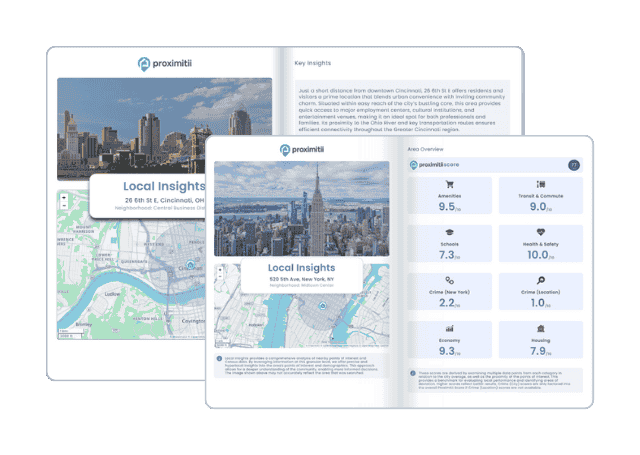
Why stop at city-to-city? With Local Insights, you can compare neighborhoods, zip codes, or even exact addresses. Access 300+ hyperlocal data points—from schools and crime to housing and amenities—to see which area is the better fit.
| Race | Oyster Bay Cove | New York | National |
| White | 79.57% | 64.31% | 73.35% |
| Black | 1.16% | 15.60% | 12.63% |
| Asian | 14.75% | 8.12% | 5.22% |
| American Indian | 0.00% | 0.38% | 0.82% |
| Native Hawaiian | 0.00% | 0.04% | 0.18% |
| Mixed race | 2.37% | 2.93% | 3.06% |
| Other race | 2.16% | 8.62% | 4.75% |


 Here are the best places to live in New York
 See the best places to live in Oyster Bay Cove
 These are the 10 cheapest cities in New York
 Most Dangerous Cities In The US