C+
7%
Overall NAT. AVG.
2%
Goods & Services NAT. AVG.
27%
Housing NAT. AVG.
Date & Last Updated: This data reflects 2025 and was released from C2ER in January, 2026; this is the most current data available.
The cost of living index is based on a national average of 100. For example, if the cost of living is 90, then it is 10% lower than average. If the cost of living is 110, then it is 10% higher than average. The breakdown for each index is as follows: goods & services (33%), groceries (13%), health care (5%), housing (30%), transportation (9%) and utilities (10%). If the cost of living data was unavailable for this city, estimates based upon nearby cities were used.
Index Little Canada Minnesota National
Cost of living10799100
Goods & Services99100100
Groceries104101100
Health care96102100
Housing127100100
Transportation9796100
Utilities9495100
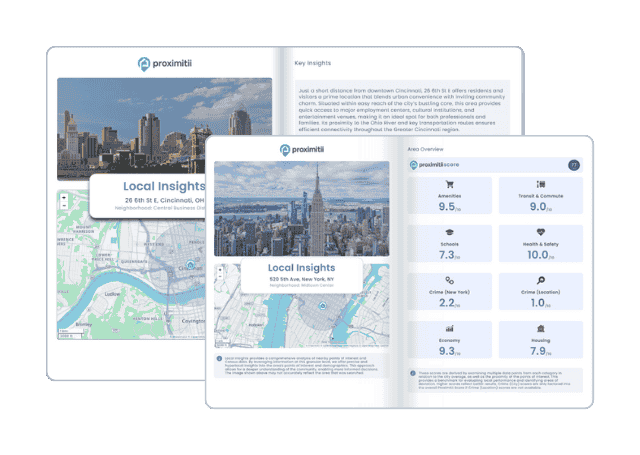
Does this Area Fit Your Budget? Local Insights Report
  • Know the community before you call it home
  • Compare multiple areas side by side
  • Access over 300 data points for any address
Local Insights Report

An Overview of Cost of Living in Little Canada, MN

Understanding the cost of living in Little Canada can help future residents assess whether their current financial situation aligns with the expenses they will encounter. It enables them to plan for potential changes in their budget and lifestyle. The Little Canada cost of living index is 107, which is 7% higher than the national average. The cost of living index is calculated by taking into account multiple categories, which encompass both the cost of everyday expenditures and larger expenses as well.

In Little Canada, daily expenses such as food, housing, goods and services, transportation and health care are in line with comparable areas and about average when compared to all cities across the nation. This ensures that the cost of living in Little Canada will resemble that of an average city, contributing to a manageable cost of living.

Housing costs are a major factor in the Little Canada cost of living index, and they often eat up a big chunk of your take-home pay. Unfortunately, in this area, housing expenses for both homeownership and rentals were 27.4% higher than what's typical in an average city. That includes the prices of homes and rents, as well as mortgage rates and insurance.

Is Little Canada Affordable?

Wondering if Little Canada is affordable? It's a question that often comes up when you're thinking about a new city since affordability can really shape your decisions. The cost of living index (covered earlier), housing expenses and income levels all play a part in the affordability equation. In Little Canada, for example, the median home price is 37% higher than what folks pay nationally, and monthly rent is 4.9% higher than the usual rates. Plus, income levels matter too, with Little Canada boasting a median household income of $83,026, which is 2.1% higher than the national average.

What Factors can Influence the Cost of Living in Little Canada?

Housing: A sought-after location with high housing demand often leads to increased property values and rental rates, which can significantly inflate the overall cost of living. Conversely, areas with low housing demand, particularly in less desirable locales, tend to experience the opposite effect, causing prices to drop and contributing to a more affordable cost of living. In Little Canada, the housing index stands at 27.4% higher than the national average.

Groceries: Grocery costs have continued to increase significantly over the last 2-3 years. In some markets the cost of food has gone up by more than 20% in that period. While other markets have managed to see only a moderate uptick. These food costs can have a major impact on the cost of living in any area. In Little Canada, the groceries index is 4.2% higher than the national average.

Transportation: In situations where public transportation is limited or nonexistent, local residents may be required to own and maintain their own vehicles, contributing to an elevated cost of living. Monthly expenditures may encompass fuel costs, insurance premiums, routine vehicle upkeep and possibly lease or financing payments. In Little Canada, the transportation index is 3.2% lower than the national average.

Where is the Data From?

The Little Canada cost of living data you see above is sourced from the C2ER cost of living index, providing a practical and accurate means of comparing living expenses in urban areas. Updated quarterly, this index gathers data from over 300 independent researchers, covering more than 60 goods and services, in 6 different categories. These selections are made meticulously to represent a wide range of consumer expenditure categories. The weightings applied to cost differences are based on government survey data that tracks spending patterns among professional and executive households. It's important to note that while the C2ER index excludes data on sales or income tax rates, AreaVibes factors tax rates into the overall cost of living score for each region.


Cost Of Living Quick Facts

  • The cost of living in Little Canada is 8% higher than the Minnesota average
  • The cost of living in Little Canada is 7% higher than the national average
  • Little Canada housing is 27% higher than the national average
  • Minnesota general sales tax is 35% higher than the national average
  • Minnesota state income tax is 106% higher than the national average

Most Affordable Places to Live in and Around Little Canada

See all the best places to live around Little Canada

Compare Little Canada, MN Cost of Living

City Image
    City Default Image
      vs
      Compare Neighborhoods & Addresses Local Insights Report

      Why stop at city-to-city? With Local Insights, you can compare neighborhoods, zip codes, or even exact addresses. Access 300+ hyperlocal data points—from schools and crime to housing and amenities—to see which area is the better fit.

      Local Insights Report
      How would you rate the cost of living in Little Canada?
      Write a review to give others more information about this area.
      Is the cost of living increasing or decreasing in Little Canada?
      Write a review to give others more information about this area.
      See all Little Canada poll results

      Salary Calculator

      This is how much you would need to earn in
      Price difference in compared to
      Cost of living index
      Goods & Services index
      Groceries index
      Health care index
      Housing index
      Transportation index
      Utilities index

      Median Income & Debt-To-Income Ratio

      Median Income Per Year Per Month Max Budget (28% DTI) Max Budget (36% DTI)
      Owners$114,171$9,514$2,664$3,425
      Renters$54,089$4,507$1,262$1,623
      A good indicator of the general affordability of housing in Little Canada, MN, is the percentage of monthly income that should be spent on housing expenses, otherwise known as the debt-to-income ratio (DTI). Generally speaking, no more than 28 percent of your total gross income should be spent on your housing expenses and not more than 36 percent of your gross income on total expenses, including debts. In Little Canada, the median monthly income is $114,171 for those who own their own homes. Under the standard rule, that income level would allow for $2,664 to be budgeted for housing expenses each month, at the most. Renters, on the other hand, earn about $54,089, per the median income in the area. That would allow for renters to spend up to $1,262 on monthly rental expenses.

      Minnesota Sales Tax

      State General Sales Tax With Max Surtax
      Minnesota 6.875% 7.875%

      Minnesota Income Tax

      State Income Tax (Low) Income Tax (High)
      Minnesota 5.35% 9.85%

      Goods & Services

      Item Little Canada National avg. Difference
      Haircut $30.24$27.629.5%
      Beauty Salon $42.42$51.1117.0%
      Toothpaste $3.99$4.092.5%
      Shampoo $2.04$1.5432.3%
      Movie $11.86$12.887.9%
      Yoga $30.49$19.6655.1%

      Groceries

      Item Little Canada National avg. Difference
      Ground Beef $7.87$7.702.1%
      Fried Chicken $1.49$1.6610.4%
      Milk $4.62$4.732.4%
      Potatoes $5.03$5.264.3%
      Pizza $13.68$12.767.2%
      Beer $9.62$10.558.8%

      Health Care

      Item Little Canada National avg. Difference
      Optometrist $128.18$140.068.5%
      Doctor $181.50$153.8218.0%
      Dentist $102.50$123.1516.8%
      Ibuprofen $11.92$11.731.6%
      Lipitor $20.56$23.6112.9%

      Housing

      Item Little Canada National avg. Difference
      Home Price $447,518.00$326,622.0037.0%
      Avg. Mortgage Payment $1,900.18$2,480.2523.4%
      Apartment Rent $1,515.00$1,444.004.9%

      Transportation

      Item Little Canada National avg. Difference
      Gasoline $2.94$3.063.7%
      Tire Balancing $64.14$65.211.6%

      Utilities

      Item Little Canada National avg. Difference
      All Electricity $201.02$220.128.7%
      Phone $194.82$195.710.5%
      Although the cost of living data is updated regularly, this cost of living information is to be used as estimates only as prices can change on an ongoing basis.

      Nearby cities with low cost of living

      City Population Cost of Living Index National Avg.
      Houlton, WI109991.4%
      Landfall, MN8197128.9%
      South End, MN667623.7%
      Hilltop, MN1,0457822.5%
      St. Anthony city (Stearns County), MN1088119.2%
      Little Canada, MN10,7421077.2%

      Cities with similar population

      City Population Cost of Living Index National Avg.
      Celina, OH10,7418910.8%
      Sainte-Julienne, QC10,741n/a 
      Lake Monticello, VA10,7391109.6%
      Sedona, AZ10,73814241.7%
      Cambridge, OH10,7388020.3%
      Little Canada, MN10,7421077.2%
      Date & Last Updated: This data reflects 2025 and was released from C2ER in January, 2026; this is the most current data available.