
| Statistic | Holliday | Texas | National |
| Population | 1,673 | 28,995,881 | 328,239,523 |
| Population density (sq mi) | 684 | 113 | 91 |
| Median age | 33.3 | 34.2 | 37.7 |
| Male/Female ratio | 1.0:1 | 1.0:1 | 1.0:1 |
| Married (15yrs & older) | 64% | 56% | 55% |
| Families w/ Kids under 18 | 56% | 48% | 43% |
| Speak English | 100% | 65% | 79% |
| Speak Spanish | 0% | 30% | 13% |

The population of Holliday is 1,731, with a population density of 711 people per square mile, diverging from the national average of 91. The median age is 33.3 and 64% of individuals aged 15 or older are married, while 56% have children under 18. As far as income equality in Holliday goes, 27% of households have a median income below $25,000, whereas 14% report an income exceeding $150,000. The Holliday demographics data can provide indispensable insights into the composition, dynamics and needs of cities, towns or even villages, empowering planners, developers and policymakers to devise strategies that foster prosperity, equity and well-being for all residents.
The Holliday racial demographics and ethnicity breakdown serves as a critical tool for understanding and addressing systemic inequities, promoting social justice and inclusion and building stronger, more resilient communities. The racial breakdown in Holliday is 93.5% White, 0% Black or African American, 0% Asian, 2.5% American Indian and 0% Native Hawaiian - 6.6% of the population identify as Hispanic or Latino. Of all households, 99.5% reported speaking English only, while 0.5% reported speaking Spanish only. A total of 0% of residents were considered foreign born.
Towns, villages or even small cities with below-average population density, like Holliday, offer the expectation of a more laid-back lifestyle, deeper immersion in nature, strong community bonds, improved affordability and enhanced safety, drawing individuals seeking respite from the hustle and bustle of urban living. These regions often feature a more affordable cost of living, with housing prices typically more reasonable and residents may enjoy reduced taxes, living expenses and insurance rates. Low population density areas generally boast lower crime rates than densely populated urban areas, fostering a greater sense of safety and security for residents and their families. Holliday has a population density of 711 people per square mile, which falls below 50% of cities nationwide, positioning it to leverage these outstanding benefits.
A family-friendly city like Holliday prioritizes the well-being and requirements of families, creating an atmosphere conducive to the flourishing of children, the support of parents and the collective enjoyment of a superior quality of life. These cities are characterized by their fostering of strong community bonds, where neighbors actively support and watch out for one another. Additionally, they often offer outstanding educational opportunities, including top-tier schools, well-stocked libraries and diverse extracurricular activities. Access to quality education is indispensable for the holistic development and future achievements of children. By giving precedence to the welfare of its inhabitants, such cities transform into vibrant and resilient communities where families can truly thrive. In Holliday, 56% of families have children under the age of 18, and 64% of residents aged over 15 are married. These demographic characteristics position this area to fully reap the benefits of being a family-friendly area.
Social Cohesion: Reporting and analyzing demographics can play a crucial role in fostering social cohesion and understanding among diverse communities. By recognizing and appreciating differences in Holliday demographics, societies can promote inclusivity, diversity and social harmony, while addressing social disparities and promoting equal opportunities for all individuals. Racial demographics reflect the diversity of a population and contribute to fostering inclusive and welcoming communities. Embracing diversity strengthens social cohesion, promotes cultural understanding and enriches the fabric of society by celebrating the contributions of individuals from different racial and ethnic backgrounds.
Understanding Populations: By delving into and analyzing the Holliday demographic stats, we can uncover insightful details regarding the composition and attributes of populations, spanning age, gender, race, ethnicity, income, education and other socio-economic indicators. This comprehension is vital for addressing the diverse needs, preferences and hurdles faced by various demographic groups within communities. Demographics wield significant influence in understanding populations, shaping decision-making processes and championing equity, inclusion, and the overall welfare of all individuals and communities. The Holliday population and demographic data serves as a cornerstone for tackling social, economic and environmental challenges, while simultaneously nurturing the well-being and resilience of societies.
Urban Development: By leveraging demographic data in Holliday, urban planners can tailor areas to meet the needs of any resident across housing, transportation and public services, all while fostering sustainability and elevating quality of life. Demographic changes can fuel gentrification and neighborhood transformation, whether in urban or rural settings. As neighborhoods attract newcomers with varying income levels and lifestyle preferences, property values may appreciate, potentially displacing established residents and reshaping the neighborhood's fabric. A nuanced understanding of population density, age distribution, household size and income levels is pivotal for guiding decisions on zoning, transportation infrastructure, housing development and public amenities. Utilizing the demographic data in planning and implementing affordable housing initiatives can help mitigate displacement risks and promote inclusive communities.
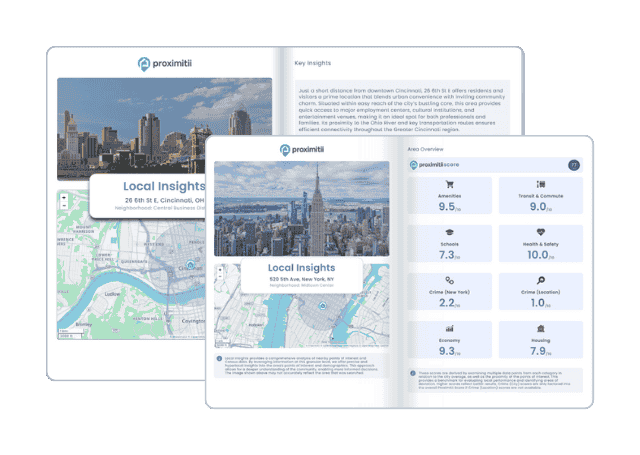
Why stop at city-to-city? With Local Insights, you can compare neighborhoods, zip codes, or even exact addresses. Access 300+ hyperlocal data points—from schools and crime to housing and amenities—to see which area is the better fit.
| Race | Holliday | Texas | National |
| White | 93.54% | 74.84% | 73.35% |
| Black | 0.00% | 11.95% | 12.63% |
| Asian | 0.00% | 4.36% | 5.22% |
| American Indian | 2.45% | 0.48% | 0.82% |
| Native Hawaiian | 0.00% | 0.08% | 0.18% |
| Mixed race | 3.89% | 2.50% | 3.06% |
| Other race | 0.12% | 5.79% | 4.75% |


 Here are the best places to live in Texas
 These are the 10 cheapest cities in Texas
 Safest States In The US
 Check out the 10 most dangerous cities in Texas