
| Statistic | Fort Riley | Kansas | National |
| Population | 8,950 | 3,026,509 | 336,919,644 |
| Population density (sq mi) | 1,753 | 37 | 91 |
| Median age | 22.8 | 36.2 | 37.7 |
| Male/Female ratio | 1.8:1 | 1.0:1 | 1.0:1 |
| Married (15yrs & older) | 53% | 59% | 55% |
| Families w/ Kids under 18 | 67% | 45% | 43% |
| Speak English | 90% | 89% | 79% |
| Speak Spanish | 8% | 8% | 13% |

Understanding the demographics of Fort Riley is essential for gaining insights into the composition, dynamics and needs of any city, town or village. This knowledge empowers planners, developers and policymakers to strategize effectively, promoting prosperity, equity and well-being for all residents. The Fort Riley population is 8,950, with a population density of 1,753 people per square mile, diverging from the national average of 91. The median age is 22.8, and 53% of individuals aged 15 or older are married, while 67% have children under 18. As far as income equality in Fort Riley, 23% of households have a median income below $25,000, whereas 1% report an income exceeding $150,000, indicating a varied economic landscape within the area.
The Fort Riley racial demographics and ethnicity breakdown could be indispensable tools for recognizing and rectifying systemic inequities, fostering social justice and inclusion and cultivating resilient communities. In Fort Riley, the racial breakdown reveals 71.2% White, 16.5% Black or African American, 2.2% Asian, 0.7% American Indian and 0.1% Native Hawaiian, with 22.3% of the population identifying as Hispanic or Latino. Of all households, 90.3% reported speaking English only, while 8.2% reported speaking Spanish only. Moreover, 5.8% of residents were classified as foreign-born.
Communities such as Fort Riley, with population densities higher than the average, play a significant role in promoting environmental sustainability by decreasing per capita energy consumption, greenhouse gas emissions and land use. Their compact urban development encourages the adoption of energy-efficient buildings, walking, cycling, and public transportation, fostering sustainable lifestyles and minimizing environmental impact. Additionally, densely populated areas tend to cultivate vibrant social and cultural scenes, fueled by a diverse population that contributes to a myriad of cultural events, festivals and community activities. This cultural diversity sparks creativity, innovation and cross-cultural exchange, enriching the social fabric of the community. Fort Riley has a population density of 1,753, surpassing the national average of 91 people per square mile, as it stands poised to reap the benefits of dense urban living.
A family-friendly city like Fort Riley prioritizes the well-being and requirements of families, creating an atmosphere conducive to the flourishing of children, the support of parents and the collective enjoyment of a superior quality of life. These cities are characterized by their fostering of strong community bonds, where neighbors actively support and watch out for one another. Additionally, they often offer outstanding educational opportunities, including top-tier schools, well-stocked libraries and diverse extracurricular activities. Access to quality education is indispensable for the holistic development and future achievements of children. By giving precedence to the welfare of its inhabitants, such cities transform into vibrant and resilient communities where families can truly thrive. In Fort Riley, 67% of families have children under the age of 18, and 53% of residents aged over 15 are married. These demographic characteristics position this area to fully reap the benefits of being a family-friendly area.
Healthcare Planning: The examination of Fort Riley demographics can potentially inform healthcare planning and delivery by identifying population health needs, disparities and risk factors. By comprehending demographic trends, healthcare providers and policymakers can allocate resources effectively, develop prevention and intervention programs, and address health inequities within communities. Through the utilization of demographic statistics, healthcare providers and policymakers aim to achieve equitable, accessible, and high-quality healthcare for all individuals and communities. This proactive healthcare planning approach ensures targeted interventions, efficient resource allocation and tailored healthcare services to meet the diverse needs of populations.
Understanding Populations: Reporting and analyzing the demographic data in Fort Riley can allow us to gain insights into the characteristics and composition of populations, including age, gender, race, ethnicity, income, education and other socio-economic factors. This understanding is essential for addressing the diverse needs, preferences and challenges of different demographic groups within communities. Demographics can play a crucial role in understanding populations, informing decision-making processes and promoting equity, inclusion, and well-being for all individuals and communities. Fort Riley population data serves as a foundation for addressing social, economic, and environmental challenges and promoting the well-being and resilience of societies.
Education Allocation: Education planning benefits significantly from Fort Riley demographic information, which helps identify student demographics, school enrollment trends, and educational needs. This data assists schools and policymakers in allocating resources effectively and devising impactful educational programs. It serves as a vital tool for recognizing disparities in educational access and outcomes among diverse demographic groups, including racial and ethnic minorities, socio-economic status, and students with disabilities. By disaggregating data based on demographic factors, education planners can pinpoint areas of inequity and implement targeted interventions to improve access, support, and outcomes for marginalized students. Ultimately, Fort Riley demographic data is essential in education for advancing equity, fostering student success, and cultivating inclusive learning environments tailored to meet the needs of all students.
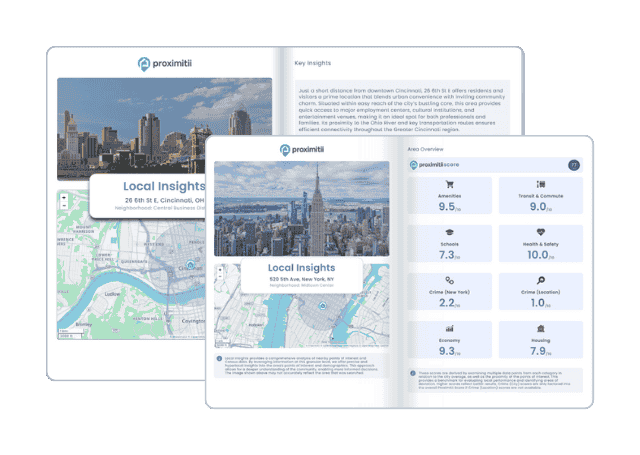
Why stop at city-to-city? With Local Insights, you can compare neighborhoods, zip codes, or even exact addresses. Access 300+ hyperlocal data points—from schools and crime to housing and amenities—to see which area is the better fit.
| Race | Fort Riley | Kansas | National |
| White | 71.23% | 85.19% | 73.35% |
| Black | 16.46% | 5.79% | 12.63% |
| Asian | 2.17% | 2.68% | 5.22% |
| American Indian | 0.69% | 0.82% | 0.82% |
| Native Hawaiian | 0.14% | 0.06% | 0.18% |
| Mixed race | 6.48% | 3.31% | 3.06% |
| Other race | 2.84% | 2.15% | 4.75% |

 Here are the best places to live in Kansas
 These are the 10 cheapest cities in Kansas
 See the best places to live in Fort Riley
 Check out the 10 most dangerous cities in Kansas