
| Statistic | Forestville | Maryland | National |
| Population | 11,496 | 6,178,543 | 336,919,644 |
| Population density (sq mi) | 2,927 | 636 | 91 |
| Median age | 38.5 | 38.3 | 37.7 |
| Male/Female ratio | 0.9:1 | 0.9:1 | 1.0:1 |
| Married (15yrs & older) | 38% | 54% | 55% |
| Families w/ Kids under 18 | 37% | 44% | 43% |
| Speak English | 90% | 82% | 79% |
| Speak Spanish | 5% | 7% | 13% |

The population of Forestville is 11,496, with a population density of 2,927 people per square mile, diverging from the national average of 91. The median age is 38.5 and 38% of individuals aged 15 or older are married, while 37% have children under 18. As far as income equality in Forestville goes, 11% of households have a median income below $25,000, whereas 16% report an income exceeding $150,000. The Forestville demographics data can provide indispensable insights into the composition, dynamics and needs of cities, towns or even villages, empowering planners, developers and policymakers to devise strategies that foster prosperity, equity and well-being for all residents.
The 5 largest ethnic groups in Forestville are 4.9% White, 88.8% Black or African American, 1.2% Asian, 0% American Indian and 0% Native Hawaiian, with 6% of the population identifying as Hispanic or Latino. Of note, 90.3% of households reported speaking English only, while 5.1% reported speaking Spanish only. Additionally, 10.2% of residents were classified as foreign-born. The Forestville racial demographics and ethnicity breakdown are essential for comprehending and addressing systemic inequities, advancing social justice and inclusion and cultivating resilient communities.
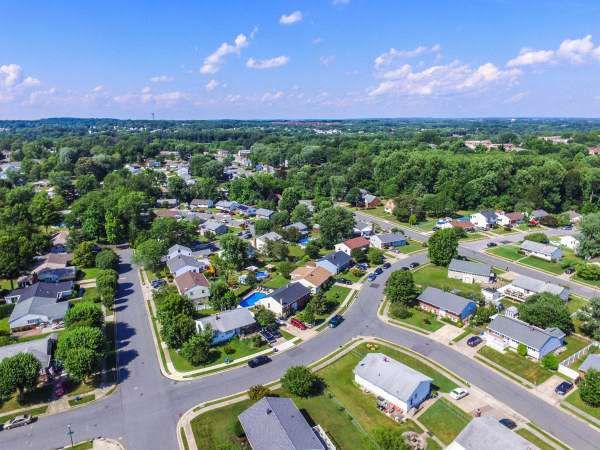
High population density areas typically offer a diverse array of amenities and services within walking distance or a short commute, enriching residents' quality of life and well-being. Accessible healthcare facilities, educational institutions, cultural venues, restaurants, shopping and public transportation options contribute to the convenience and vibrancy of these communities. The population density of of Forestville is 2,927 people per square mile, which far exceeds the national average of 91 and ranks among the most densely populated cities in the nation.
Healthcare Planning: Analyzing the demographic data in Forestville has the potential to inform healthcare planning and delivery by identifying population health needs, disparities and risk factors. Healthcare providers and policymakers can allocate resources more effectively, develop prevention and intervention programs and address health inequities within communities by understanding demographic trends. Leveraging demographic statistics can enable healthcare providers and policymakers to strive for equitable, accessible and high-quality healthcare for all individuals and communities. This proactive healthcare planning approach ensures targeted interventions, efficient resource allocation and tailored healthcare services to meet diverse population needs.
Understanding Populations: Analyzing and interpreting the Forestville demographic data provides us with valuable insights into the characteristics and composition of populations, encompassing age, gender, race, ethnicity, income, education and other socio-economic variables. This understanding is crucial for addressing the diverse needs, preferences and challenges encountered by various demographic groups within communities. Demographics play a crucial role in understanding populations, informing decision-making processes, and advancing equity, inclusion, and overall well-being for all individuals and communities. The Forestville population and demographic data serves as a foundation for addressing social, economic and environmental challenges, while also nurturing the well-being and resilience of societies.
Education Allocation: Education planning benefits significantly from Forestville demographic information, which helps identify student demographics, school enrollment trends, and educational needs. This data assists schools and policymakers in allocating resources effectively and devising impactful educational programs. It serves as a vital tool for recognizing disparities in educational access and outcomes among diverse demographic groups, including racial and ethnic minorities, socio-economic status, and students with disabilities. By disaggregating data based on demographic factors, education planners can pinpoint areas of inequity and implement targeted interventions to improve access, support, and outcomes for marginalized students. Ultimately, Forestville demographic data is essential in education for advancing equity, fostering student success, and cultivating inclusive learning environments tailored to meet the needs of all students.
| Race | Forestville | Maryland | National |
| White | 4.94% | 57.19% | 73.35% |
| Black | 88.76% | 29.63% | 12.63% |
| Asian | 1.16% | 6.08% | 5.22% |
| American Indian | 0.00% | 0.27% | 0.82% |
| Native Hawaiian | 0.00% | 0.05% | 0.18% |
| Mixed race | 1.30% | 3.12% | 3.06% |
| Other race | 3.85% | 3.67% | 4.75% |


 Here are the best places to live in Maryland
 See the best places to live in Forestville
 These are the 10 cheapest cities in Maryland
 Check out the 10 most dangerous cities in Maryland