
| Statistic | Fitchburg | Wisconsin | National |
| Population | 30,947 | 5,966,344 | 336,919,644 |
| Population density (sq mi) | 886 | 110 | 91 |
| Median age | 34.4 | 39.1 | 37.7 |
| Male/Female ratio | 1.1:1 | 1.0:1 | 1.0:1 |
| Married (15yrs & older) | 50% | 57% | 55% |
| Families w/ Kids under 18 | 48% | 43% | 43% |
| Speak English | 84% | 91% | 79% |
| Speak Spanish | 10% | 5% | 13% |

Fitchburg demographics provide invaluable insights into the composition, dynamics and needs of urban and rural areas, enabling them to plan, develop, and govern in ways that promote prosperity, equity and well-being for all residents. The Fitchburg population is 30,947 and has a population density of 886 people per square mile, compared to the national average of 91. The median age of all residents is 34.4, 50% of people 15 years of age or older are married and 48% have kids under the age of 18. In Fitchburg, 12% of households have a median income that is below $25,000 and 27% of households report a median income above $150,000.
The Fitchburg racial demographics and ethnicity breakdown serves as a critical tool for understanding and addressing systemic inequities, promoting social justice and inclusion and building stronger, more resilient communities. The racial breakdown in Fitchburg is 75.8% White, 8.2% Black or African American, 4.9% Asian, 0.1% American Indian and 0.1% Native Hawaiian - 15.5% of the population identify as Hispanic or Latino. Of all households, 84.5% reported speaking English only, while 9.5% reported speaking Spanish only. A total of 11.3% of residents were considered foreign born.
Communities such as Fitchburg, with population densities higher than the average, play a significant role in promoting environmental sustainability by decreasing per capita energy consumption, greenhouse gas emissions and land use. Their compact urban development encourages the adoption of energy-efficient buildings, walking, cycling, and public transportation, fostering sustainable lifestyles and minimizing environmental impact. Additionally, densely populated areas tend to cultivate vibrant social and cultural scenes, fueled by a diverse population that contributes to a myriad of cultural events, festivals and community activities. This cultural diversity sparks creativity, innovation and cross-cultural exchange, enriching the social fabric of the community. Fitchburg has a population density of 886, surpassing the national average of 91 people per square mile, as it stands poised to reap the benefits of dense urban living.
Understanding Populations: Reporting and analyzing the demographic data in Fitchburg can allow us to gain insights into the characteristics and composition of populations, including age, gender, race, ethnicity, income, education and other socio-economic factors. This understanding is essential for addressing the diverse needs, preferences and challenges of different demographic groups within communities. Demographics can play a crucial role in understanding populations, informing decision-making processes and promoting equity, inclusion, and well-being for all individuals and communities. Fitchburg population data serves as a foundation for addressing social, economic, and environmental challenges and promoting the well-being and resilience of societies.
Urban Development: Fitchburg demographic statistics are invaluable for urban planners in designing and developing areas that cater to residents' needs, encompassing housing, transportation, and public services, all while fostering sustainability and enhancing quality of life. Shifts in demographics can influence gentrification and neighborhood transformation, whether in urban or rural settings. As neighborhoods attract new residents with varying income levels and lifestyle preferences, property values may increase, potentially displacing long-term residents and altering the neighborhood's character. Analyzing population density, age distribution, household size, and income levels is crucial for guiding decisions regarding zoning, transportation infrastructure, housing expansion and public amenities. Utilizing Fitchburg demographic data in planning and executing affordable housing initiatives can serve as a preventive measure against displacement.
Social Cohesion: The reporting and analysis of demographics are essential for fostering social cohesion and understanding among diverse communities. By acknowledging and valuing differences in Fitchburg demographics, societies can champion inclusivity, diversity and social harmony while tackling social disparities and advocating for equal opportunities. Racial demographics showcase the varied makeup of a population and play a vital role in nurturing inclusive and hospitable communities. Embracing diversity bolsters social cohesion, enhances cultural comprehension and enriches society by honoring the contributions of individuals from diverse racial and ethnic backgrounds.
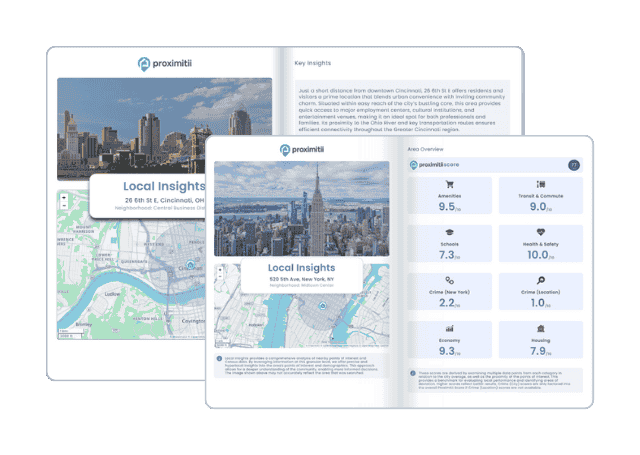
Why stop at city-to-city? With Local Insights, you can compare neighborhoods, zip codes, or even exact addresses. Access 300+ hyperlocal data points—from schools and crime to housing and amenities—to see which area is the better fit.
| Race | Fitchburg | Wisconsin | National |
| White | 75.75% | 86.21% | 73.35% |
| Black | 8.17% | 6.29% | 12.63% |
| Asian | 4.92% | 2.57% | 5.22% |
| American Indian | 0.14% | 0.89% | 0.82% |
| Native Hawaiian | 0.07% | 0.02% | 0.18% |
| Mixed race | 6.12% | 2.19% | 3.06% |
| Other race | 4.82% | 1.83% | 4.75% |


 Here are the best places to live in Wisconsin
 These are the largest cities in Wisconsin
 Safest Cities In The US
 Check out the 10 safest cities in Wisconsin