

Fairfield is a medium-sized city located in the state of Alabama. The city has a population of 10,980 inhabitants. With a population density of 3,164 people per square mile, Fairfield is well above the nation's average density level. With a total of 92%, the Black or African American racial group makes up the majority of the population in Fairfield. The next most represented races are 5% White and 0% Asian. The median age of all Fairfield residents is 32, which is well below the national average. This is a good indication that this city could be ideal for a younger demographic. Single men and women might be happy to hear that in Fairfield, only 35% of the population is married. Long travel times to work can be one of the most frustrating things in the world - right behind housework! If you decide that living in Fairfield is the right fit for you, your one way commute time will average 24 minutes, which is about average when compared to the national commute time of 26 minutes.
Are you trying to ascertain if living in Fairfield is the right fit for your lifestyle? To ensure a good experience before moving to any new city in Alabama, you will probably want to make sure that you check all of the most important boxes. Several key factors deserve attention. For one, safety is paramount, ensuring that your new area is low in crime is key. Proximity to workplaces or schools minimizes commute times and fosters convenience. Access to essential amenities like parks, grocery stores, food, fitness, shops and healthcare facilities enhances daily life. Efficient public transportation options provide mobility and connectivity. The sense of community creates a welcoming and supportive environment. Lastly, the overall atmosphere, encompassing the vibe, aesthetics, and lifestyle offerings, contributes to a fulfilling living experience. Considering these elements helps identify the ideal neighborhood for your needs and preferences. The best areas in Fairfield and in surrounding cities are easier to find when you are able to make informed decisions. Using data from cost of living, health & safety, education, employment, housing, you will see a detailed breakdown of the most important information as well as comparisons to the Alabama and national averages.
Fairfield has a livability score of 62/100 and is ranked #178 in Alabama and #15,374 in the USA. There are nine total categories that form the livability score. Fairfield ranks well for cost of living (A+) and housing (A) Fairfield does not score well for the following: amenities (F), crime (D-), education (F) and employment (F). It might be a smart idea to take a closer look at each category to find out why.
For home buyers, real estate will be the largest purchase they will ever make and it will also be their most valuable asset. For renters, the monthly rent paid on their Fairfield apartments will most likely be their largest expense. Based on tangible metrics like home and rental affordability and appreciation rates, housing in this area has received a score that is well above the average of every other US city. A thriving real estate market can also generate strong local economic activity and job creation.
There are many factors that go into deciding if an area is the right fit for your lifestyle. Certain “must haves” like low crime, great schools and nearby amenities are all at the top of most people's lists. But before even considering if those options are attainable, we'll need to know if the real estate in Fairfield is actually affordable. The median home price for Fairfield homes is $175,160, which is 25.6% lower than the Alabama average. If we take a closer look at the affordability of homes in Fairfield, we’ll see that the home price to income ratio is 2.9, which is 19.4% lower than the Alabama average.

| Statistic | Fairfield | Alabama | National |
| Average one way commute | 24min | 25min | 26min |
| Workers who drive to work | 74.4% | 85.7% | 76.4% |
| Workers who carpool | 12.2% | 8.8% | 9.3% |
| Workers who take public transit | 0.7% | 0.4% | 5.1% |
| Workers who bicycle | 0.0% | 0.1% | 0.6% |
| Workers who walk | 4.8% | 1.1% | 2.8% |
| Working from home | 7.8% | 2.9% | 4.6% |

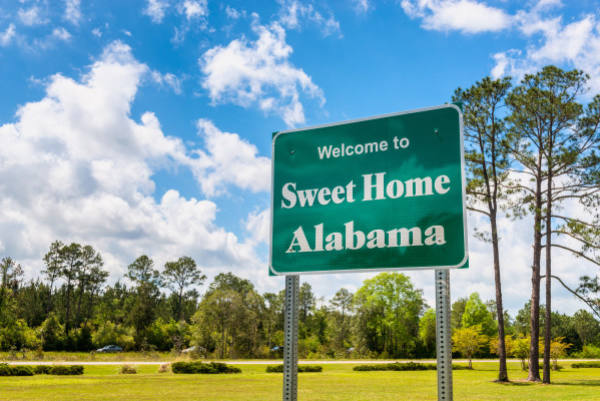 Here are the best places to live in Alabama
 These are the largest cities in Alabama
 Safest States In The US
 Most Dangerous States In The US