

 Cost Of Living
The cost of living in this region is notably lower than the national average, encompassing everyday goods, housing, utilities, transportation and health care expenses.
 Housing
High scores in the housing category are attributed to this area, possibly pointing to a favorable home affordability ratio, robust appreciation rates or elevated home values.
 Amenities
A large portion of amenities are not ideally situated within walking distance, potentially requiring residents to utilize a vehicle or public transportation.
 Commute
Access to public transportation in this particular area may be limited, which can result in longer-than-average commute times to reach workplaces.
 Employment
Low income levels and high unemployment rates results in a low score in the employment category. It could prove difficult to find well-paying employment in this area.
 Health & Safety
A low health and safety score may be attributed to factors such as subpar air quality and the unavailability of certain health-related facilities like hospitals, clinics, doctors and pharmacies.
 Ratings
Surveys and polls conducted by AreaVibes with residents of the area revealed unfavorable results concerning the walkability of amenities, the availability of parks and public transit access.
Located in the state of Washington, Deer Park is a small city with a population of 4,298 people. According to the most recent Census, 92% of Deer Park residents are White, 1% American Indian and Alaskan and 1% Native Hawaiian. When traveling to work, spending unnecessary time in your vehicle is not ideal and downright frustrating. Across all of America, the average one way commute time is 26 minutes, unfortunately, living in Deer Park offers up a higher than average one way commute time of 35 minutes.
Without the right tools, moving to any new town can be very stressful and challenging. Living in Deer Park, Washington could be a fulfilling experience for anyone who puts in the effort to do the research required. When searching for a new neighborhood, several key items should be considered. Safety is paramount, ensuring a secure environment for you and your family. Proximity to workplaces or schools reduces commuting time and enhances convenience. Access to amenities like parks, grocery stores and healthcare facilities contributes to a comfortable lifestyle. Reliable public transportation options promote easy mobility. A strong sense of community fosters social connections and a welcoming atmosphere. With useful information like commute, health & safety, education, housing and other key data points, finding the best places to live in Deer Park and in the areas around Deer Park is a much easier task.
Deer Park, WA receives 60 out of 100 for its livability score; this results in a ranking of #441 in Washington and #18,582 in the USA. This is a lower than the national average livability score as Deer Park does not rank well for most categories. Based on the scores for each individual category, Deer Park has been rewarded with high marks for cost of living (A+) and housing (A+). There is at least one category that you should be aware of in Deer Park. The following was graded with a concerning score: amenities (F) and employment (D).
A robust real estate market serves as a crucial economic indicator, reflecting the local area's strength, stability and the confidence of its residents. Deer Park excels in the housing sector, scoring high marks based on factors such as median home and rental prices, appreciation rates and home affordability. These calculations suggest that the apartment rental and real estate market in the region is exceptionally healthy, highlighting the area's economic vitality and attractiveness to potential homebuyers and renters.
Being close to public transit, grocery stores, parks and other conveniences are all important when weighing your options for a new home in Deer Park. Before you determine if any of these amenities are available in the area, you will also want to know if the real estate prices in Deer Park are affordable. Median real estate prices in Deer Park come in at $375,158, which is 23.7% lower than the Washington average. The home price to income ratio compares the median home prices to the median household income. In Deer Park, the home price to income ratio is 4.9, which is 9.3% lower than the Washington average.
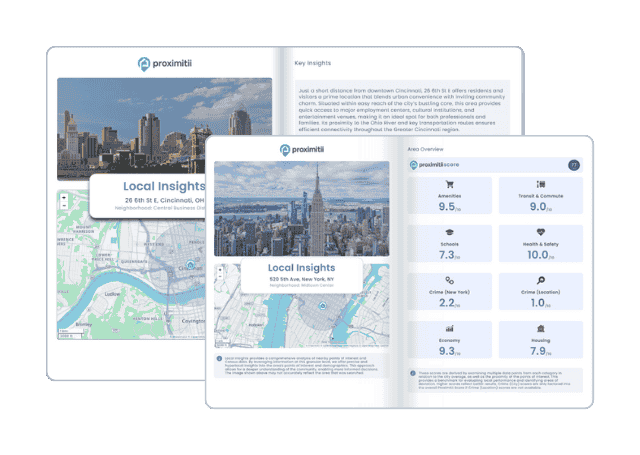
Why stop at city-to-city? With Local Insights, you can compare neighborhoods, zip codes, or even exact addresses. Access 300+ hyperlocal data points—from schools and crime to housing and amenities—to see which area is the better fit.

| Statistic | Deer Park | Washington | National |
| Average one way commute | 35min | 27min | 26min |
| Workers who drive to work | 79.7% | 72.3% | 76.4% |
| Workers who carpool | 9.4% | 10.2% | 9.3% |
| Workers who take public transit | 0.0% | 6.2% | 5.1% |
| Workers who bicycle | 0.0% | 0.9% | 0.6% |
| Workers who walk | 3.4% | 3.6% | 2.8% |
| Working from home | 5.1% | 5.6% | 4.6% |

 Here are the best places to live in Washington
 Safest Cities In The US
 These are the 10 cheapest cities in Washington
 Check out the 10 safest cities in Washington