

Boca Raton, FL, known as 'A City for All Seasons,' offers a unique blend of coastal charm and modern urban amenities. Located in Palm Beach County, Boca Raton is a large city that serves as a major cultural and economic hub. Major nearby cities like Fort Lauderdale (21 miles) and Miami (45 miles) enhance its status as a central point in the region. Boca Raton's blend of scenic landscapes, cultural festivals, and urban amenities creates a distinctive living experience.
Boca Raton is home to several iconic landmarks, including the Boca Raton Museum of Art, the historic Mizner Park, and the scenic Red Reef Park. The city offers a variety of attractions, from the beautiful Gumbo Limbo Nature Center to the bustling Town Center at Boca Raton, known for its shopping and dining. Boca Raton's dining scene is diverse, offering everything from Floridian cuisine to international dishes.
Annual events such as the Festival of the Arts BOCA and the Boca Raton Wine & Food Festival highlight the city's vibrant cultural scene and provide unique entertainment opportunities for residents and visitors. These events celebrate Boca Raton's rich cultural heritage and community spirit. Prestigious institutions like Florida Atlantic University contribute to the city's academic and cultural vibrancy, fostering a thriving intellectual community.
The arts and culture scene in Boca Raton is dynamic and diverse, with numerous theaters, music venues, and art galleries. The Wick Theatre & Costume Museum and the Boca Ballet Theatre are just a few of the cultural landmarks that showcase the city's commitment to the arts. Living in Boca Raton provides ample opportunities to engage with art, music, and history, making it an exciting place to call home.
Boca Raton’s community is welcoming and diverse, creating a friendly environment for newcomers. The city is home to professional sports teams like the Miami Dolphins (NFL) and the Miami Marlins (MLB), providing plenty of excitement for sports fans. Major industries in Boca Raton include healthcare, education, and finance, with significant employers such as Boca Raton Regional Hospital and Office Depot driving economic growth. The city has extensive public transit options, including buses and tri-rail services, making it easy to navigate. The weather in Boca Raton is warm and tropical year-round, with hot summers and mild winters, making it an ideal place for outdoor enthusiasts.
Boca Raton is a medium-sized city located in the state of Florida. The city has a population of 102,418 people. With a population density of 3,538 people per square mile, Boca Raton is well above the nation's average density level. If we take a look at the last Census, the vast majority of the population falls within one racial group (84% White). Given that fact, Boca Raton could be considered less diverse than other cities. Based on an average age of 48, Boca Raton appears to be well-suited for seniors or retirees as the average age is well above the national average.
Without the right tools, relocating to any new city can be very stressful and challenging. Living in Boca Raton, Florida could be a good experience for anyone who puts in the effort to do the research required. When searching for a new neighborhood, several key items should be considered. Safety is paramount, ensuring a secure environment for you and your family. Proximity to workplaces or schools reduces commuting time and enhances convenience. Access to amenities like parks, grocery stores and healthcare facilities contributes to a comfortable lifestyle. Reliable public transportation options promote easy mobility. A strong sense of community fosters social connections and a welcoming atmosphere. Using the livability score which includes data from categories like crime, cost of living, commute, education, you can easily compare the best places to live in Boca Raton and also determine if there are any nearby cities that might be a better match for your lifestyle. You can also compare Boca Raton to Florida and the national average.
With a livability score of 79 out of 100, Boca Raton is ranked #1,776 in the United States and #127 in Florida. Compared to the US average, Boca Raton ranks among some of the best places to live in the country! Boca Raton also ranks in the top 10 percent of all cities, which is no small feat! If we dig a little deeper into each category within the livability score, we see that Boca Raton has higher than average rankings for the following: crime (A+), education (A+), employment (A+) and housing (B+). On a less positive note, Boca Raton does not have favorable grades for the following: amenities (D) and cost of living (F). If we take a look at the data, we can find out why.
Low rates of violent crime, encompassing offenses such as murder, rape, robbery and assault, contribute significantly to a safer living environment. This reduction in crime minimizes the chances of personal harm, property theft, or violent incidents. Furthermore, low crime rates can have a positive impact on property values and the overall desirability of an area. There were 171 crimes per 100,000 residents, which signifies that Boca Raton boasts an impressively low violent crime rate that falls well below the national average.
Test scores can be a good way to measure a school's academic performance and the proficiency of its students. They can be an important metric in deciding if the local area schools can provide a solid educational system for children. The schools in Boca Raton have an average test score of 76%, which is well above the US average.
Real estate represents the most substantial investment for homebuyers, constituting their most valuable asset. Renters, on the other hand, typically see their monthly rent as their most significant expense. The Boca Raton market earns a high score in the housing category, surpassing the national average in factors like home and rental affordability and appreciation rates. This robust real estate market not only benefits individual homeowners and renters but also spurs vigorous local economic activity and job growth, solidifying its significance in driving the region's prosperity and financial well-being.
Boca Raton real estate prices and overall affordability will play a huge role in determining if the area is the right fit for you. Of course there are probably some other items on your “wish list”, but even before they are considered, let’s take a look at the home prices and affordability in Boca Raton. Median real estate prices in Boca Raton come in at $879,112, which is 193.4% higher than the Florida average. The home price to income ratio compares the median home prices to the median household income. In Boca Raton, the home price to income ratio is 7.1, which is 69% higher than the Florida average.

| Statistic | Boca Raton | Florida | National |
| Average one way commute | 22min | 27min | 26min |
| Workers who drive to work | 74.8% | 79.5% | 76.4% |
| Workers who carpool | 7.4% | 9.3% | 9.3% |
| Workers who take public transit | 0.5% | 2.1% | 5.1% |
| Workers who bicycle | 0.7% | 0.7% | 0.6% |
| Workers who walk | 1.8% | 1.5% | 2.8% |
| Working from home | 13.4% | 5.4% | 4.6% |

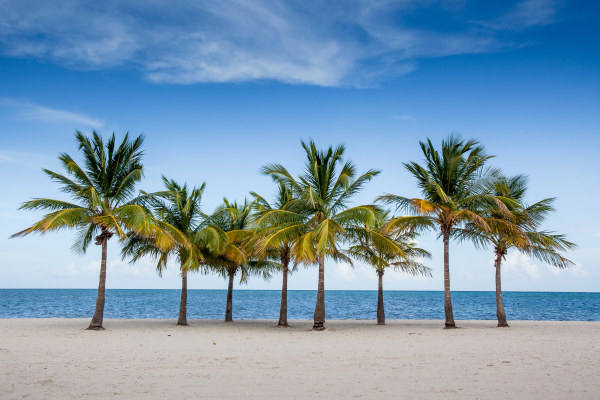 Here are the best places to live in Florida
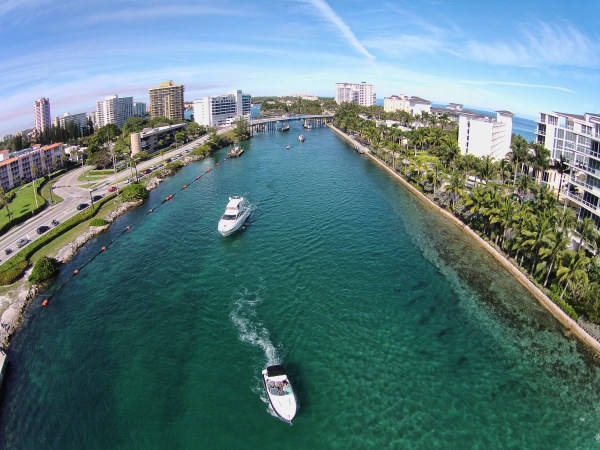 See the best places to live in Boca Raton
 Check out the 10 safest cities in Florida
 Safest Cities In The US