

Blackhawk, South Dakota is a small-sized city with a population of 3,149 residents. If we look at the most recent Census, Blackhawk is known to have a predominantly White population. The next two most common races are Asian and American Indian and Alaskan.
Whether you’re moving to a new area to be closer to family, friends or for a new job, living in Blackhawk could be a positive experience compared to other cities in South Dakota if you know where to look. Don't forget to determine what matters most to you in a neighborhood. Consider factors such as safety, proximity to work or school, access to amenities (like parks, fitness facilities, grocery stores, restaurants), public transportation options, community atmosphere and the overall vibe you're looking for. Using the livability score which includes data from categories like amenities, crime, cost of living, commute, health & safety, you can easily compare the best places to live in Blackhawk and also determine if there are any nearby cities that might be a better match for your lifestyle. You can also compare Blackhawk to South Dakota and the national average.
Blackhawk, SD receives 67/100 for its livability score; this results in a ranking of #98 in South Dakota and #10,172 in the USA. If we dig down a little deeper into each category within the livability score, we see that Blackhawk has higher than average rankings for the following: crime (A+), cost of living (A+) and employment (B-). There is at least one category that does not have great scores in Blackhawk. The following was graded with a discouraging score: amenities (F).
Real estate represents the most substantial investment for homebuyers, constituting their most valuable asset. Renters, on the other hand, typically see their monthly rent as their most significant expense. The Blackhawk market earns a high score in the housing category, surpassing the national average in factors like home and rental affordability and appreciation rates. This robust real estate market not only benefits individual homeowners and renters but also spurs vigorous local economic activity and job growth, solidifying its significance in driving the region's prosperity and financial well-being.
There are many factors that go into deciding if an area is the right fit for your lifestyle. Certain “must haves” like low crime, great schools and nearby amenities are all at the top of most people's lists. But before even considering if those options are attainable, we'll need to know if the real estate in Blackhawk is actually affordable. The median home price for Blackhawk homes is $343,656, which is 31.9% higher than the South Dakota average. If we take a closer look at the affordability of homes in Blackhawk, we’ll see that the home price to income ratio is 3.5, which is 6.1% higher than the South Dakota average.

| Statistic | Blackhawk | South Dakota | National |
| Average one way commute | 22min | 17min | 26min |
| Workers who drive to work | 74.2% | 79.6% | 76.4% |
| Workers who carpool | 18.0% | 9.1% | 9.3% |
| Workers who take public transit | 0.0% | 0.5% | 5.1% |
| Workers who bicycle | 0.0% | 0.5% | 0.6% |
| Workers who walk | 0.6% | 3.8% | 2.8% |
| Working from home | 7.1% | 5.5% | 4.6% |

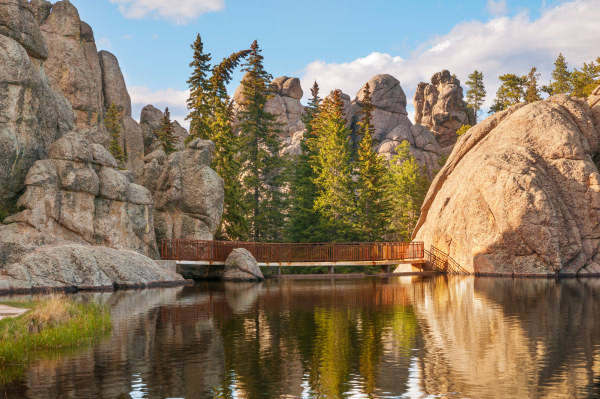 Here are the best places to live in South Dakota
 Check out the 10 safest cities in South Dakota
 Safest Cities In The US
 Most Dangerous Cities In The US