

Abilene, Texas, known as the "Friendly Frontier," is a city that combines a rich history with modern amenities. Located in the heart of West Texas, Abilene offers a welcoming community, a variety of cultural attractions, and a strong sense of tradition. The city's historic downtown area and vibrant arts scene make living in Abilene an appealing place to live.
Residents of Abilene enjoy a variety of recreational activities and community events. The city boasts numerous parks, sports facilities, and cultural institutions, including the Abilene Zoo and the Grace Museum. The Abilene State Park, located nearby, offers opportunities for camping, hiking, and fishing, providing a natural retreat for outdoor enthusiasts.
Abilene is home to several higher education institutions, including Abilene Christian University, Hardin-Simmons University, and McMurry University. These institutions contribute to the city's educational and cultural environment, offering a range of events, performances, and academic opportunities. The presence of these universities supports a youthful and dynamic population.
The cost of living in Abilene is relatively affordable, making it an attractive option for families and young professionals. The housing market offers a variety of options, from historic homes in established neighborhoods to new developments in suburban areas. The city's economy is supported by industries such as healthcare, education, and manufacturing.
Public transportation in Abilene is provided by CityLink, which operates bus routes throughout the city. The city's layout is car-friendly, with well-maintained roads and highways facilitating easy commutes. Abilene's climate features hot summers and mild winters, with plenty of sunshine year-round, allowing for a variety of outdoor activities regardless of the season. Overall, Abilene offers a blend of historical charm, modern conveniences, and a strong sense of community.
 Cost Of Living
The overall cost of living in this area is much lower than average. This includes everyday goods and services, as well as housing, utilities and health care.
 Housing
This area has received high scores in the housing category. This could be due to a positive home affordability ratio, high appreciation rates or elevated home values.
 Health & Safety
A high score in the health and safety category is a result of good air quality and the accessibility to health facilities such as hospitals, clinics, doctors, pharmacies and fire stations.
 Commute
Public transportation is not readily available in this area and the average commute time to work could also be longer than the national average.
 Ratings
AreaVibes conducted surveys and polls with locals who live in the area. The results were not favorable for walkability of amenities, parks, public transit and the overall sense of community in the area.
Abilene, Texas is a mid-sized city with a population of 129,386 inhabitants. At 71%, the majority of the Abilene population is White; this is followed by 10% Black and 2% Asian. Additionally, more than a quarter of the population of Abilene are of Hispanic or Latino origin, and 15% of the population also speak Spanish. If you are a young adult or student, you might be pleased to know that the average age of all Abilene residents is 32. Not a fan of sitting in traffic during your commute to work? Abilene offers shorter work commutes, with an average one-way commute time taking only 16 minutes, far lower than the national average of 26 minutes.
Whether you’re relocating to a new area to be closer to family, friends or for a new job, living in Abilene could be a positive experience compared to other cities in Texas if you know where to look. Don't forget to determine what matters most to you in a neighborhood. Consider factors such as safety, proximity to work or school, access to amenities (like parks, fitness facilities, grocery stores, restaurants), public transportation options, community atmosphere and the overall vibe you're looking for. With useful information like crime, commute, health & safety, employment and other key data points, finding the best places to live in Abilene and in the areas around Abilene is a much easier task.
Abilene, TX receives 75/100 for its livability score; this results in a ranking of #140 in Texas and #3,920 in the USA. Based on this score, Abilene would be considered a very livable city! If we probe a little deeper into each category within the livability score, we see that Abilene has higher than average scores for the following: amenities (B-) and housing (A+). There is at least one category that does not have great scores in Abilene. The following was graded with a disappointing score: crime (D).
If you're considering living in Abilene, it comes with numerous advantages, particularly in the form of an extensive selection of local amenities. These amenities play a pivotal role in elevating the quality of life within this vibrant community. From easily accessible grocery stores, to conveniently located fitness facilities, a diverse range of dining establishments and a multitude of shopping options, Abilene provides a comprehensive array of resources for its residents. This ensures the effortless fulfillment of your daily needs and creates ample opportunities for relaxation and recreation. The convenience of these local offerings greatly contributes to the overall appeal of the area, making it an enticing destination for those in search of convenience, diversity, and a gratifying lifestyle. If you're contemplating a move, the abundance of local amenities could very well be a defining characteristic of this area. Among the enticing options for fun and exploration in Abilene are: Abilene Zoo, Frontier Texas!, and Prime Time Family Entertainment Center.
The Abilene unemployment rate of 2.1% has continued to decrease over the years and is now well below the national average. The result could lead to reduced poverty and inequality in the area, higher wages and increased economic growth. This is a positive sign in the overall health of the local economy.
Finding affordable real estate and housing in Abilene can be tricky. Having said that, this area might be the place to get the best of both worlds. Based on factors like home/rental affordability and appreciation rates, this area has received an above average score in the housing category. A healthy real estate market can lead to wealth appreciation for property owners, as rising property values can contribute to homeowners' equity, financial stability and the ability to build long-term wealth.
Assuming that Abilene meets all of your requirements like low crime rates, good schools and great local amenities, the next most important item to examine is the affordability of real estate in Abilene. Everything else becomes a lot less important if it turns out that home prices in Abilene are simply unattainable. Median real estate prices in Abilene come in at $241,310, which is 6% lower than the Texas average. The home price to income ratio compares the median home prices to the median household income. In Abilene, the home price to income ratio is 3.1, which is 3.1% lower than the Texas average.
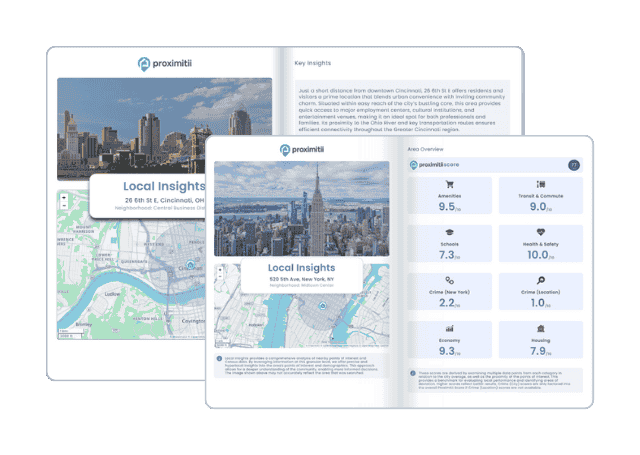
Why stop at city-to-city? With Local Insights, you can compare neighborhoods, zip codes, or even exact addresses. Access 300+ hyperlocal data points—from schools and crime to housing and amenities—to see which area is the better fit.

| Statistic | Abilene | Texas | National |
| Average one way commute | 16min | 26min | 26min |
| Workers who drive to work | 78.3% | 80.3% | 76.4% |
| Workers who carpool | 10.9% | 10.6% | 9.3% |
| Workers who take public transit | 0.8% | 1.5% | 5.1% |
| Workers who bicycle | 0.3% | 0.3% | 0.6% |
| Workers who walk | 2.6% | 1.6% | 2.8% |
| Working from home | 6.3% | 4.3% | 4.6% |

 Here are the best places to live in Texas
 Safest States In The US
 Most Dangerous Cities In The US
 Check out the 10 safest cities in Texas