
| Statistic | Venus | Texas | National |
| Population | 4,130 | 30,040,435 | 336,919,644 |
| Population density (sq mi) | 1,362 | 115 | 91 |
| Median age | 32.1 | 34.2 | 37.7 |
| Male/Female ratio | 1.9:1 | 1.0:1 | 1.0:1 |
| Married (15yrs & older) | 51% | 56% | 55% |
| Families w/ Kids under 18 | 71% | 48% | 43% |
| Speak English | 80% | 65% | 79% |
| Speak Spanish | 20% | 30% | 13% |

Venus demographics provide invaluable insights into the composition, dynamics and needs of urban and rural areas, enabling them to plan, develop, and govern in ways that promote prosperity, equity and well-being for all residents. The Venus population is 4,130 and has a population density of 1,362 people per square mile, compared to the national average of 91. The median age of all residents is 32.1, 51% of people 15 years of age or older are married and 71% have kids under the age of 18. In Venus, 8% of households have a median income that is below $25,000 and 13% of households report a median income above $150,000.
The 5 largest ethnic groups in Venus are 78.6% White, 12.6% Black or African American, 0.3% Asian, 0.2% American Indian and 0% Native Hawaiian, with 33% of the population identifying as Hispanic or Latino. Of note, 79.8% of households reported speaking English only, while 19.9% reported speaking Spanish only. Additionally, 3.1% of residents were classified as foreign-born. The Venus racial demographics and ethnicity breakdown are essential for comprehending and addressing systemic inequities, advancing social justice and inclusion and cultivating resilient communities.
Areas like Venus that have a higher than average population density tend to support environmental sustainability by reducing per capita energy consumption, greenhouse gas emissions and land use. Compact urban development encourages energy-efficient buildings, walking, cycling and the use of public transit, promoting sustainable lifestyles and reducing environmental impact. Densely populated areas also tend to have more vibrant social and cultural scenes, with a diverse population contributing to a wide array of cultural events, festivals and community activities. This diversity fosters creativity, innovation and cross-cultural exchange, enriching the social fabric of the community. The Venus population density is higher than average and comes in at 1,362 people per square mile (compared to the nationwide average of 91), putting it in a position to take advantage of all the benefits of a densely populated area.
A family-friendly city like Venus can place a strong emphasis on the well-being and requirements of families, establishing an atmosphere where children flourish, parents receive ample support and families collectively enjoy a superior quality of life. These cities are renowned for nurturing a tight-knit community, where neighbors actively support and watch out for each other. Additionally, they often feature outstanding educational opportunities, including top-tier schools, well-equipped libraries and diverse extracurricular activities. Access to quality education is indispensable for the holistic development and future achievements of children. By prioritizing the welfare of its inhabitants, such cities evolve into dynamic and resilient communities where families can genuinely thrive. In Venus, 71% of families have children under the age of 18, and 51% of residents aged over 15 are married. These demographic characteristics position this locality to fully reap the rewards of being a family-friendly area.
Policy Planning: Demographic data and statistics serve as vital tools for informing policy and decision-making processes across various levels of government, as well as within organizations and businesses. Through the reporting and analysis of demographic data, policymakers, government officials, and organizational leaders can pinpoint areas of need, allocate resources efficiently, and craft tailored policies and programs to address the unique needs and priorities of different demographic groups. The utilization of demographic data in Venus is instrumental in policy planning, facilitating resource allocation, evidence-based decision-making, priority identification, trend forecasting, policy impact assessment, and the promotion of equity and inclusion. By harnessing this data effectively, policymakers can devise targeted, impactful, and inclusive policies that cater to the diverse needs of communities.
Healthcare Planning: An analysis of Venus demographics can inform healthcare planning and delivery by identifying population health needs, disparities and risk factors. Understanding demographic trends allows healthcare providers and policymakers to allocate resources effectively, develop prevention and intervention programs and address health inequities within communities. Leveraging demographic data, healthcare providers, and policymakers strive to achieve equitable, accessible, and high-quality healthcare for all individuals and communities. This proactive healthcare planning approach ensures targeted interventions, efficient resource allocation and customized healthcare services to meet the diverse needs of populations.
Urban Development: Utilizing Venus demographic statistics and data, urban planners can craft and develop areas that cater to local residents, encompassing housing, transportation and public services, all while emphasizing sustainability and enriching quality of life. Demographic transitions can contribute to gentrification and neighborhood evolution, whether in urban or rural environments. As neighborhoods draw in new residents with varying income levels and lifestyle preferences, property values may appreciate, potentially displacing longtime inhabitants and reshaping the neighborhood's fabric. Comprehensive insights into population density, age distribution, household size, and income levels are instrumental in guiding decisions regarding zoning, transportation infrastructure, housing expansion and public amenities. Harnessing Venus demographic stats for planning and executing affordable housing initiatives can serve as a preventive measure against displacement.
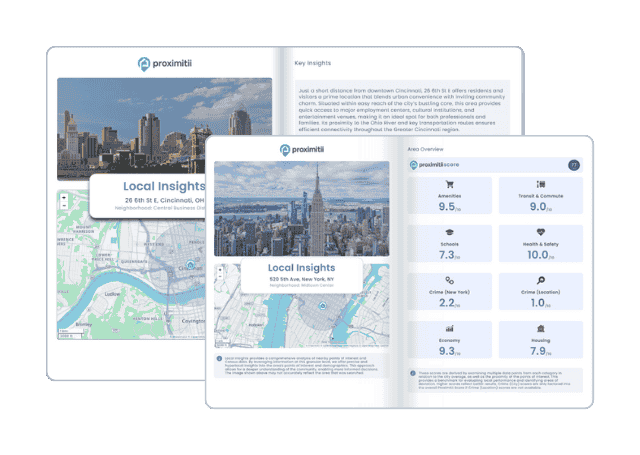
Why stop at city-to-city? With Local Insights, you can compare neighborhoods, zip codes, or even exact addresses. Access 300+ hyperlocal data points—from schools and crime to housing and amenities—to see which area is the better fit.
| Race | Venus | Texas | National |
| White | 78.64% | 74.84% | 73.35% |
| Black | 12.57% | 11.95% | 12.63% |
| Asian | 0.32% | 4.36% | 5.22% |
| American Indian | 0.20% | 0.48% | 0.82% |
| Native Hawaiian | 0.00% | 0.08% | 0.18% |
| Mixed race | 4.79% | 2.50% | 3.06% |
| Other race | 3.48% | 5.79% | 4.75% |


 Here are the best places to live in Texas
 Most Dangerous Cities In The US
 Safest Cities In The US
 Most Dangerous States In The US