
| Statistic | Red Lodge | Montana | National |
| Population | 2,184 | 1,097,879 | 336,919,644 |
| Population density (sq mi) | 805 | 8 | 91 |
| Median age | 52.0 | 39.8 | 37.7 |
| Male/Female ratio | 0.9:1 | 1.0:1 | 1.0:1 |
| Married (15yrs & older) | 57% | 58% | 55% |
| Families w/ Kids under 18 | 25% | 40% | 43% |
| Speak English | 96% | 96% | 79% |
| Speak Spanish | 1% | 1% | 13% |

Understanding the demographics of Red Lodge is essential for gaining insights into the composition, dynamics and needs of any city, town or village. This knowledge empowers planners, developers and policymakers to strategize effectively, promoting prosperity, equity and well-being for all residents. The Red Lodge population is 2,184, with a population density of 805 people per square mile, diverging from the national average of 91. The median age is 52, and 57% of individuals aged 15 or older are married, while 25% have children under 18. As far as income equality in Red Lodge, 22% of households have a median income below $25,000, whereas 11% report an income exceeding $150,000, indicating a varied economic landscape within the area.
The 5 largest ethnic groups in Red Lodge are 93.5% White, 1.1% Black or African American, 2.1% Asian, 0.5% American Indian and 0% Native Hawaiian, with 5.8% of the population identifying as Hispanic or Latino. Of note, 96.3% of households reported speaking English only, while 1.4% reported speaking Spanish only. Additionally, 3.3% of residents were classified as foreign-born. The Red Lodge racial demographics and ethnicity breakdown are essential for comprehending and addressing systemic inequities, advancing social justice and inclusion and cultivating resilient communities.
Red Lodge has a population density that is well above-average, which plays a pivotal role in promoting environmental sustainability by reducing per capita energy consumption, greenhouse gas emissions and land use. Its compact urban development encourages energy-efficient buildings, active transportation modes like walking and cycling and the utilization of public transit, fostering sustainable lifestyles and mitigating environmental impact. Additionally, the area's dense population contributes to a vibrant social and cultural scene, featuring a diverse array of cultural events, festivals and community activities. This cultural diversity fuels creativity, innovation and cross-cultural exchange, enhancing the community's social fabric. Red Lodge has a population density of 805 people per square mile, exceeding the national average of 91 and positions itself in a good spot to reap the benefits of densely populated areas.
In a city like Red Lodge with fewer children, there are numerous advantages tailored to a demographic where families with fewer or no children seek an ideal environment. These benefits may encompass a serene atmosphere, a heightened emphasis on amenities geared towards adults, reduced traffic congestion and enhanced affordability. Notably, one of the key advantages could be the wider availability of housing options designed to suit adult residents or smaller households. This may include a variety of housing types such as condominiums, apartments, or single-family homes tailored for couples or individuals without children, thereby offering a diverse range of choices for prospective buyers or renters. Areas with fewer children may also signal that the locale is conducive to retirees or seniors. In Red Lodge, only 25% of the population consists of children under 18 years old, significantly below the national average. Additionally, 57% of residents aged over 15 are married. These demographics could suggest a promising environment for capitalizing on all the benefits of a city with fewer children.
Social Cohesion: The examination and interpretation of demographics are pivotal for nurturing social cohesion and promoting understanding among diverse communities. By acknowledging and honoring differences in Red Lodge demographics, societies can champion inclusivity, diversity and social cohesion while addressing social disparities and advocating for equitable opportunities. Racial demographics can potentially showcase the diversity of a population and are crucial for fostering inclusive and embracing communities. Embracing diversity fortifies social bonds, fosters cultural appreciation and enriches society by celebrating the contributions of individuals from diverse racial and ethnic backgrounds.
Urban Development: Urban planners could use Red Lodge demographic data to design and create areas that accommodate the needs of residents, including housing, transportation and public services, while promoting sustainability and quality of life. Demographic shifts can contribute to gentrification and neighborhood change in urban or rural areas. As neighborhoods attract new residents with different income levels and lifestyle preferences, property values may rise, leading to displacement of long-time residents and changes in the character and identity of the neighborhood. Understanding population density, age distribution, household size and income levels helps inform decisions related to zoning, transportation infrastructure, housing development and public amenities. Lastly, using Red Lodge demographics for planning and development of affordable housing can help prevent displacement.
Education Allocation: Red Lodge demographics can play a pivotal role in guiding education planning, offering insights into student demographics, school enrollment patterns, and educational requirements. This data aids schools and policymakers in resource allocation and the development of effective educational programs. It serves as a critical tool for identifying disparities in educational access and outcomes among diverse demographic groups, such as racial and ethnic minorities, socio-economic status, and students with disabilities. Through the disaggregation of data by demographic factors, education planners can pinpoint areas of inequity and implement targeted interventions to enhance access, support, and outcomes for marginalized students. Ultimately, Red Lodge demographic data is indispensable in education for advancing equity, fostering student achievement, and cultivating inclusive learning environments tailored to the needs of all students.
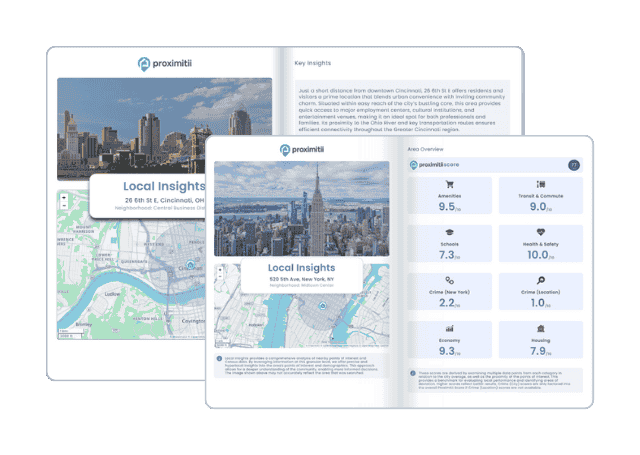
Why stop at city-to-city? With Local Insights, you can compare neighborhoods, zip codes, or even exact addresses. Access 300+ hyperlocal data points—from schools and crime to housing and amenities—to see which area is the better fit.
| Race | Red Lodge | Montana | National |
| White | 93.49% | 89.11% | 73.35% |
| Black | 1.08% | 0.42% | 12.63% |
| Asian | 2.11% | 0.73% | 5.22% |
| American Indian | 0.52% | 6.57% | 0.82% |
| Native Hawaiian | 0.00% | 0.08% | 0.18% |
| Mixed race | 0.00% | 2.59% | 3.06% |
| Other race | 2.81% | 0.50% | 4.75% |


 Here are the best places to live in Montana
 Safest States In The US
 These are the 10 cheapest cities in Montana
 Most Dangerous States In The US