
| Statistic | West Islip | New York | National |
| Population | 27,610 | 20,171,207 | 336,919,644 |
| Population density (sq mi) | 4,366 | 428 | 91 |
| Median age | 41.7 | 38.2 | 37.7 |
| Male/Female ratio | 1.0:1 | 0.9:1 | 1.0:1 |
| Married (15yrs & older) | 63% | 52% | 55% |
| Families w/ Kids under 18 | 41% | 43% | 43% |
| Speak English | 90% | 70% | 79% |
| Speak Spanish | 4% | 15% | 13% |

West Islip demographics provide invaluable insights into the composition, dynamics and needs of urban and rural areas, enabling them to plan, develop, and govern in ways that promote prosperity, equity and well-being for all residents. The West Islip population is 27,610 and has a population density of 4,366 people per square mile, compared to the national average of 91. The median age of all residents is 41.7, 63% of people 15 years of age or older are married and 41% have kids under the age of 18. In West Islip, 5% of households have a median income that is below $25,000 and 53% of households report a median income above $150,000.
Recognizing the racial demographics and ethnicity breakdown of West Islip is pivotal for addressing systemic inequities, championing social justice and inclusion and fostering resilient communities. In West Islip, the racial breakdown comprises 93.2% White, 0.4% Black or African American, 1.4% Asian, 0% American Indian, and 0% Native Hawaiian, with 10.3% of the population identifying as Hispanic or Latino. 89.8% of households reported speaking English only, while 3.8% reported speaking Spanish only. Furthermore, 6.1% of residents were categorized as foreign-born.
The West Islip population density comes in at 4,366 people per square mile, which makes it one of the most densely populated areas in the country, far surpassing the national average of 91. Areas characterized by high population density often boast an abundance of amenities and services within close proximity, providing residents with convenient access to healthcare, education, cultural attractions, dining establishments, retail outlets and transportation options. This accessibility could potentially enhance residents' overall quality of life and well-being.
Social Cohesion: The examination and interpretation of demographics are pivotal for nurturing social cohesion and promoting understanding among diverse communities. By acknowledging and honoring differences in West Islip demographics, societies can champion inclusivity, diversity and social cohesion while addressing social disparities and advocating for equitable opportunities. Racial demographics can potentially showcase the diversity of a population and are crucial for fostering inclusive and embracing communities. Embracing diversity fortifies social bonds, fosters cultural appreciation and enriches society by celebrating the contributions of individuals from diverse racial and ethnic backgrounds.
Urban Development: West Islip demographic statistics are invaluable for urban planners in designing and developing areas that cater to residents' needs, encompassing housing, transportation, and public services, all while fostering sustainability and enhancing quality of life. Shifts in demographics can influence gentrification and neighborhood transformation, whether in urban or rural settings. As neighborhoods attract new residents with varying income levels and lifestyle preferences, property values may increase, potentially displacing long-term residents and altering the neighborhood's character. Analyzing population density, age distribution, household size, and income levels is crucial for guiding decisions regarding zoning, transportation infrastructure, housing expansion and public amenities. Utilizing West Islip demographic data in planning and executing affordable housing initiatives can serve as a preventive measure against displacement.
Education Allocation: Education planning benefits significantly from West Islip demographic information, which helps identify student demographics, school enrollment trends, and educational needs. This data assists schools and policymakers in allocating resources effectively and devising impactful educational programs. It serves as a vital tool for recognizing disparities in educational access and outcomes among diverse demographic groups, including racial and ethnic minorities, socio-economic status, and students with disabilities. By disaggregating data based on demographic factors, education planners can pinpoint areas of inequity and implement targeted interventions to improve access, support, and outcomes for marginalized students. Ultimately, West Islip demographic data is essential in education for advancing equity, fostering student success, and cultivating inclusive learning environments tailored to meet the needs of all students.
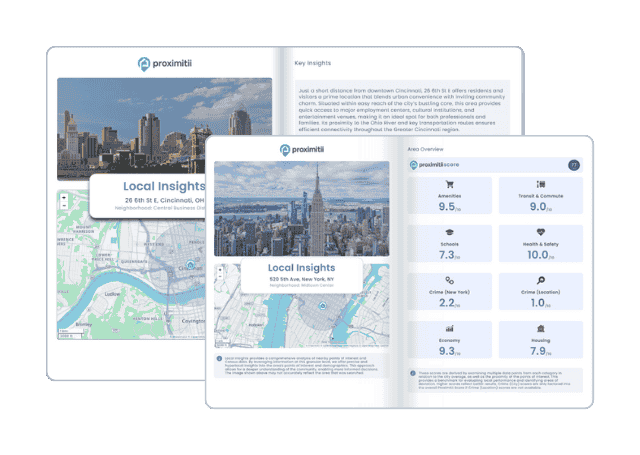
Why stop at city-to-city? With Local Insights, you can compare neighborhoods, zip codes, or even exact addresses. Access 300+ hyperlocal data points—from schools and crime to housing and amenities—to see which area is the better fit.
| Race | West Islip | New York | National |
| White | 93.16% | 64.31% | 73.35% |
| Black | 0.41% | 15.60% | 12.63% |
| Asian | 1.37% | 8.12% | 5.22% |
| American Indian | 0.05% | 0.38% | 0.82% |
| Native Hawaiian | 0.00% | 0.04% | 0.18% |
| Mixed race | 4.18% | 2.93% | 3.06% |
| Other race | 0.84% | 8.62% | 4.75% |


 Here are the best places to live in New York
 Check out the 10 safest cities in New York
 Check out the 10 most dangerous cities in New York
 Most Dangerous States In The US