

 Crime
Crime
This area boasts a crime rate that is far below the national average, making it a very safe place to live. These crime statistics encompass both property and violent offenses.
 Employment
With higher than average median household income, income per capita and lower unemployment rates, this area scores extremely well in the employment category.
 Housing
Impressive scores in the housing category characterize this area, potentially attributed to the availability of affordable housing, strong appreciation rates and high home values.
 Amenities
The majority of amenities will be difficult to reach within a short walk, often requiring residents to use a vehicle or public transportation for access.
 Commute
Low commute scores could be due to limited access to public transit in this area, as well as longer-than-average work commute times for residents.
 Cost Of Living
This area is known for its high cost of living, which means you should anticipate higher costs for everyday goods and services, housing, groceries, and health care.
Located in the state of New York, South Nyack is a small-sized city with a population of 3,468 inhabitants. In South Nyack, there are 5,746 people per square mile, which is well above the national population density average. All the single ladies and all the single fellas might want to take notice as only 43% of the South Nyack population is married. An important consideration when living in South Nyack is the longer-than-average commute times. If you seek a short work commute, this area may not be the best choice for you. The one-way commute time here typically takes 32 minutes, far surpassing the national average of 26 minutes.
Whether you’re moving to a new city to be closer to family, friends or for a new job, living in South Nyack could be a positive experience compared to other cities in New York if you know where to look. Don't forget to determine what matters most to you in a neighborhood. Consider factors such as safety, proximity to work or school, access to amenities (like parks, fitness facilities, grocery stores, restaurants), public transportation options, community atmosphere and the overall vibe you're looking for. With useful information like crime, commute, health & safety, education and other key data points, finding the best places to live in South Nyack and in the areas around South Nyack is a much easier task.
South Nyack, NY receives 65 out of 100 for its livability score; this results in a ranking of #620 in New York and #11,772 in the USA. If we dig a little deeper into each category within the livability score, we see that South Nyack has higher than average rankings for the following: crime (A+) and housing (A-). There are some categories that South Nyack scores poorly for, including: amenities (F) and cost of living (F). It might be worth taking a closer look to find out why.
A healthy real estate market serves as a key economic indicator. It could signify overall local economic strength, stability and reflects consumer confidence in the area. Based on multiple factors including: median home and rental prices, appreciation rates and home affordability, South Nyack has received high marks in the housing category. Based on these calculations, the apartment rental and real estate market appears to be very healthy.
Certain items on your wish list like shopping, restaurants, nightlife, parks and proximity to public transportation are all important things to look for. Having said that, perhaps the most important metric to consider when contemplating a move to South Nyack is real estate affordability. The median home price for South Nyack homes is $900,556, which is 78.9% higher than the New York average. If we take a closer look at the affordability of homes in South Nyack, we’ll see that the home price to income ratio is 5.9, which is 5.4% higher than the New York average.
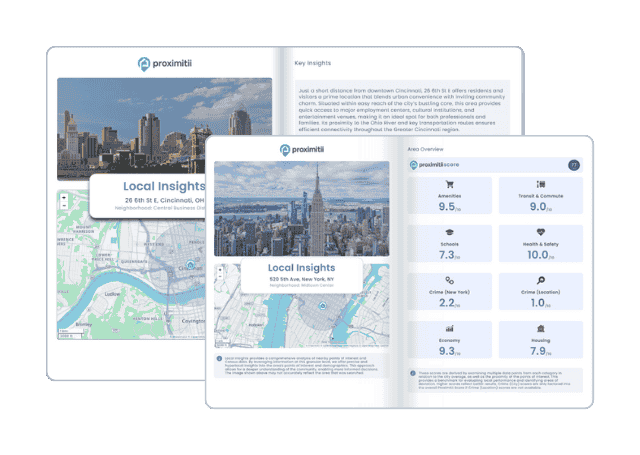
Why stop at city-to-city? With Local Insights, you can compare neighborhoods, zip codes, or even exact addresses. Access 300+ hyperlocal data points—from schools and crime to housing and amenities—to see which area is the better fit.

| Statistic | South Nyack | New York | National |
| Average one way commute | 32min | 33min | 26min |
| Workers who drive to work | 66.3% | 53.0% | 76.4% |
| Workers who carpool | 9.4% | 6.7% | 9.3% |
| Workers who take public transit | 12.9% | 28.0% | 5.1% |
| Workers who bicycle | 0.0% | 0.7% | 0.6% |
| Workers who walk | 6.2% | 6.3% | 2.8% |
| Working from home | 4.9% | 4.0% | 4.6% |

 Here are the best places to live in New York
 Check out the 10 most dangerous cities in New York
 These are the largest cities in New York
 Safest States In The US