

 Cost Of Living
Everyday cost of living expenses like goods and services, housing, groceries, transportation, health care and utilities are far below the national average.
 Ratings
According to recent surveys and polls, locals had excellent ratings for walkability to nearby amenities, safety, access to public transit and the overall sense of community in the area.
 Amenities
The majority of amenities will be difficult to reach within a short walk, often requiring residents to use a vehicle or public transportation for access.
 Commute
Low commute scores could be due to limited access to public transit in this area, as well as longer-than-average work commute times for residents.
 Employment
This area earns a low score in the employment category due to low household income levels and high unemployment rates, which may pose challenges in seeking job opportunities.
 Health & Safety
Subpar air quality and the limited availability of certain health-related facilities such as hospitals, police stations, doctors and pharmacies may have contributed to the low score in this category.
 Schools
The low schools score might be a result of factors like lower than average education levels, lackluster reading and math scores and the inaccessibility of local elementary and high schools.
Scissors, Texas is a small-sized city with a population of 3,614 inhabitants. At 73%, the majority of the Scissors population is White; this is followed by 0% Black and 0% Asian. Additionally, more than a quarter of the population of Scissors are of Hispanic or Latino origin, and 98% of the population also speak Spanish. With an average age of 22 years old, Scissors could be a great place to live for young adults as this age is well below the national average. If you are not a fan of long commutes, you will enjoy living in Scissors. With an average one way commute time of only 18 minutes, getting to and from work is a breeze compared to the national average of 26 minutes.
Whether you’re moving to a new city to be closer to family, friends or for a new job, living in Scissors could be a positive experience compared to other cities in Texas if you know where to search. Don't forget to determine what matters most to you in a neighborhood. Consider factors such as safety, proximity to work or school, access to amenities (like parks, fitness facilities, grocery stores, restaurants), public transportation options, community atmosphere and the overall vibe you're looking for. The best areas in Scissors and in surrounding cities are easier to find when you are able to make informed decisions. Using data from crime, cost of living, commute, education, you will see a detailed breakdown of the most important information as well as comparisons to the Texas and national averages.
The livability score in Scissors is 57 out of 100 and the city is ranked in the 26th percentile of all cities across America. This is a lower than the national average livability score as Scissors does not rank well for most categories. The bad news for Scissors, there are some categories for which it does not score well, this includes: amenities (F), education (F) and employment (F).
Achieving a cost-effective lifestyle can be pivotal in managing your monthly expenditures, especially given the ongoing upward trajectory of everday goods and housing prices. In Scissors, residents are fortunate to experience a cost of living that is 26.47% below the national average. This advantageous positioning extends its impact to a wide spectrum of expenses, encompassing not only goods and services but also transportation and health care costs. As a result, this area stands out as a place where your money stretches further, ensuring that you can maintain a more economical and sustainable lifestyle. This affordability becomes increasingly valuable in an era marked by soaring costs, making Scissors an attractive choice for those seeking financial prudence without compromising on quality of life.
Unemployment rates can range pretty dramatically from one city to another. Knowing that Scissors has an unemployment rate of 2.7% could mean increased job opportunities with a higher demand for workers. It could also lead to higher wages, as the demand for workers exceeds the availability of jobs. Most importantly, it could be a sign of a healthy and thriving local economy.
Scissors real estate prices and overall affordability will play a huge role in determining if the area is the right fit for you. Of course there are probably some other items on your “wish list”, but even before they are considered, let’s take a look at the home prices and affordability in Scissors. The median home price for Scissors homes is $82,712, which is 67.8% lower than the Texas average. If we take a closer look at the affordability of homes in Scissors, we’ll see that the home price to income ratio is 2.4, which is 25% lower than the Texas average.
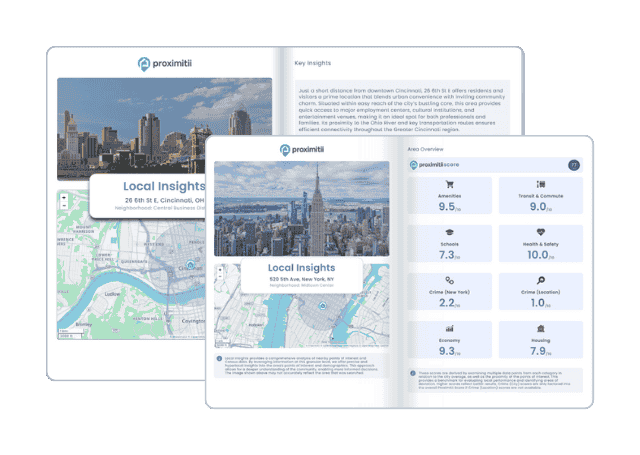
Why stop at city-to-city? With Local Insights, you can compare neighborhoods, zip codes, or even exact addresses. Access 300+ hyperlocal data points—from schools and crime to housing and amenities—to see which area is the better fit.

| Statistic | Scissors | Texas | National |
| Average one way commute | 18min | 26min | 26min |
| Workers who drive to work | 88.3% | 80.3% | 76.4% |
| Workers who carpool | 0.9% | 10.6% | 9.3% |
| Workers who take public transit | 0.0% | 1.5% | 5.1% |
| Workers who bicycle | 0.0% | 0.3% | 0.6% |
| Workers who walk | 0.0% | 1.6% | 2.8% |
| Working from home | 10.8% | 4.3% | 4.6% |

 Here are the best places to live in Texas
 Most Dangerous Cities In The US
 Check out the 10 most dangerous cities in Texas
 These are the largest cities in Texas